India has 45 UNESCO World Heritage Sites as of July 2026. The newest, the Ancient Buddhist Site of Sarnath in Uttar Pradesh, was inscribed on 25 July 2026 at the World Heritage Committee’s 48th session in Busan. India ranks sixth in the world and second in the Asia-Pacific region for the number of sites. Before Sarnath, 36 were cultural, 7 natural and 1 mixed, and Sarnath is cultural.
Updated 6 October 2026. The total changes whenever UNESCO adds a site, usually each July, so older pages that say 44 are out of date.
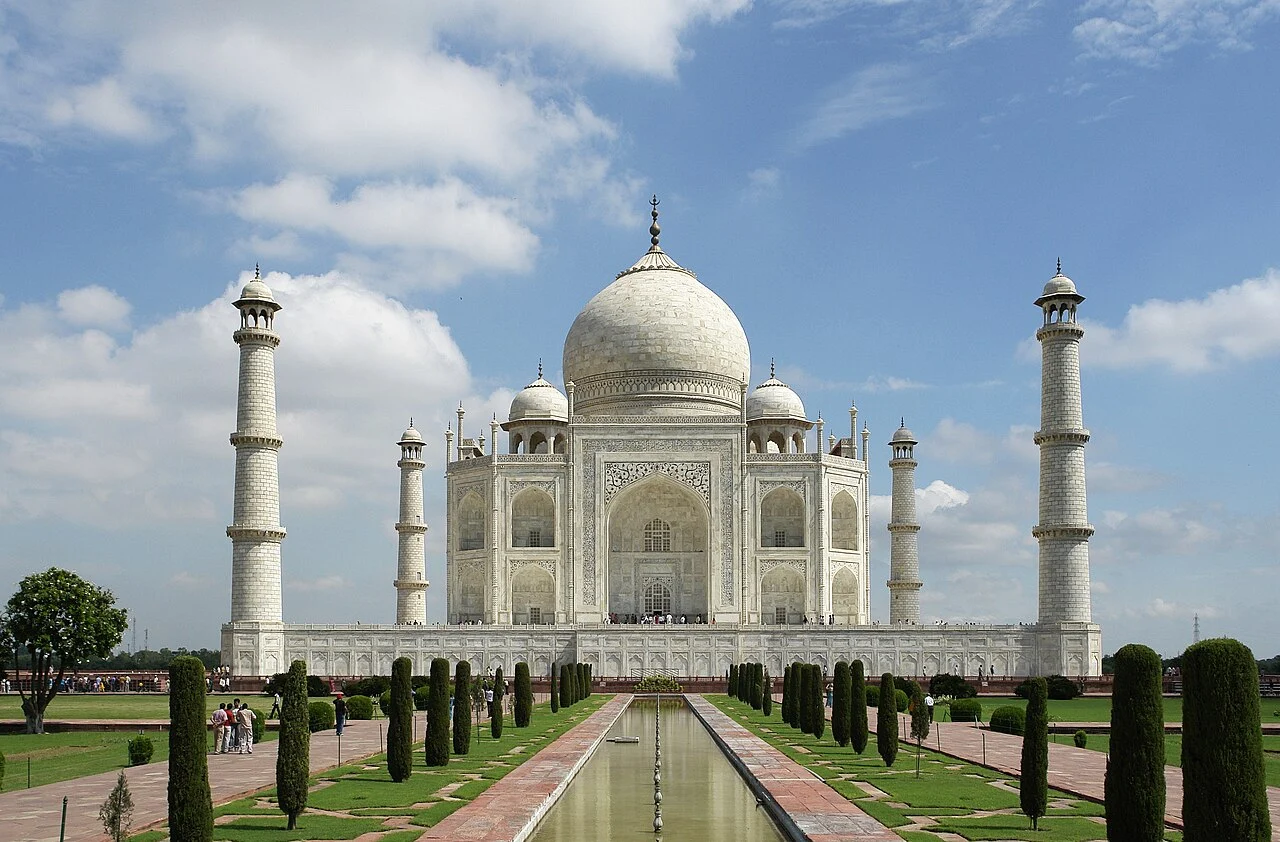
How many UNESCO World Heritage Sites are in India?
| Total | 45 (as of 25 July 2026) |
| Cultural | 37 (36 before Sarnath, plus Sarnath) |
| Natural | 7 |
| Mixed | 1 (Khangchendzonga National Park, Sikkim) |
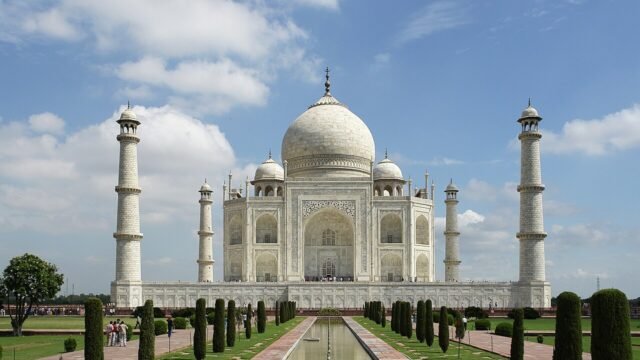
| First sites listed | 1983: Ajanta Caves, Ellora Caves, Agra Fort and the Taj Mahal |
| Newest | Ancient Buddhist Site of Sarnath (2026) |
| World ranking | Sixth globally, second in Asia-Pacific |
What are the newest World Heritage Sites in India?
- Ancient Buddhist Site of Sarnath (2026), Uttar Pradesh. UNESCO says the Buddha travelled to Sarnath after his enlightenment, and the site has been a place of pilgrimage for more than 2,500 years. With its inscription, three of the four principal Buddhist pilgrimage sites linked to the Buddha’s life are on the list, and it had been on India’s tentative list since 1998.
- Maratha Military Landscapes of India (2025). Twelve forts, mostly in Maharashtra and one in Tamil Nadu, built or expanded by the Marathas between the late 17th and early 19th centuries, including Raigad, Shivneri and Sindhudurg. It became India’s 44th site at the 47th session in Paris.
- Moidams of Assam (2024). Reported as the first cultural World Heritage site from Northeast India.
Complete list of India’s 45 World Heritage Sites by state
Sites are cultural unless marked (natural) or (mixed). Some span several states and are listed once under the state where they are best known.
Maharashtra
- Ajanta Caves
- Ellora Caves
- Elephanta Caves
- Chhatrapati Shivaji Terminus (Mumbai)
- Victorian Gothic and Art Deco Ensembles of Mumbai
- Maratha Military Landscapes of India (with one fort in Tamil Nadu)
Uttar Pradesh and Delhi
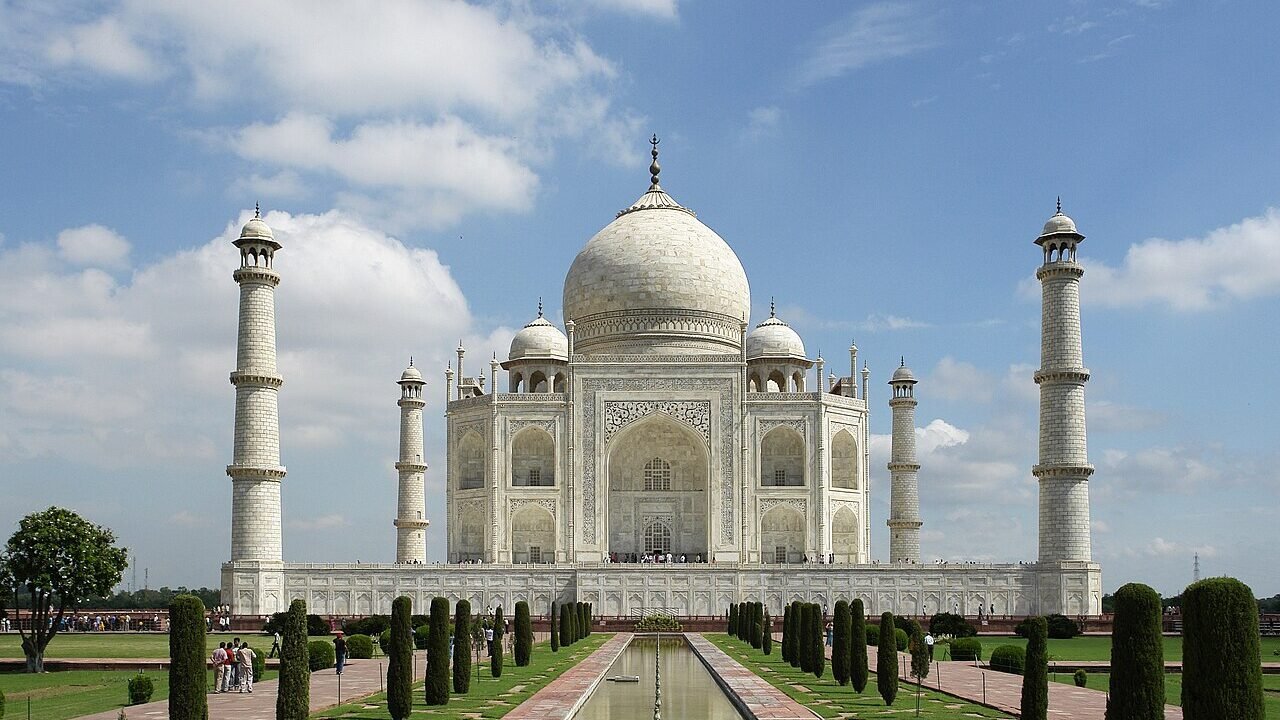
- Taj Mahal
- Agra Fort
- Fatehpur Sikri
- Ancient Buddhist Site of Sarnath
- Red Fort Complex (Delhi)
- Humayun’s Tomb (Delhi)
- Qutb Minar and its Monuments (Delhi)
Rajasthan and Gujarat
- Hill Forts of Rajasthan, including Chittorgarh and Kumbhalgarh
- Jaipur City
- The Jantar Mantar, Jaipur
- Keoladeo National Park (natural)
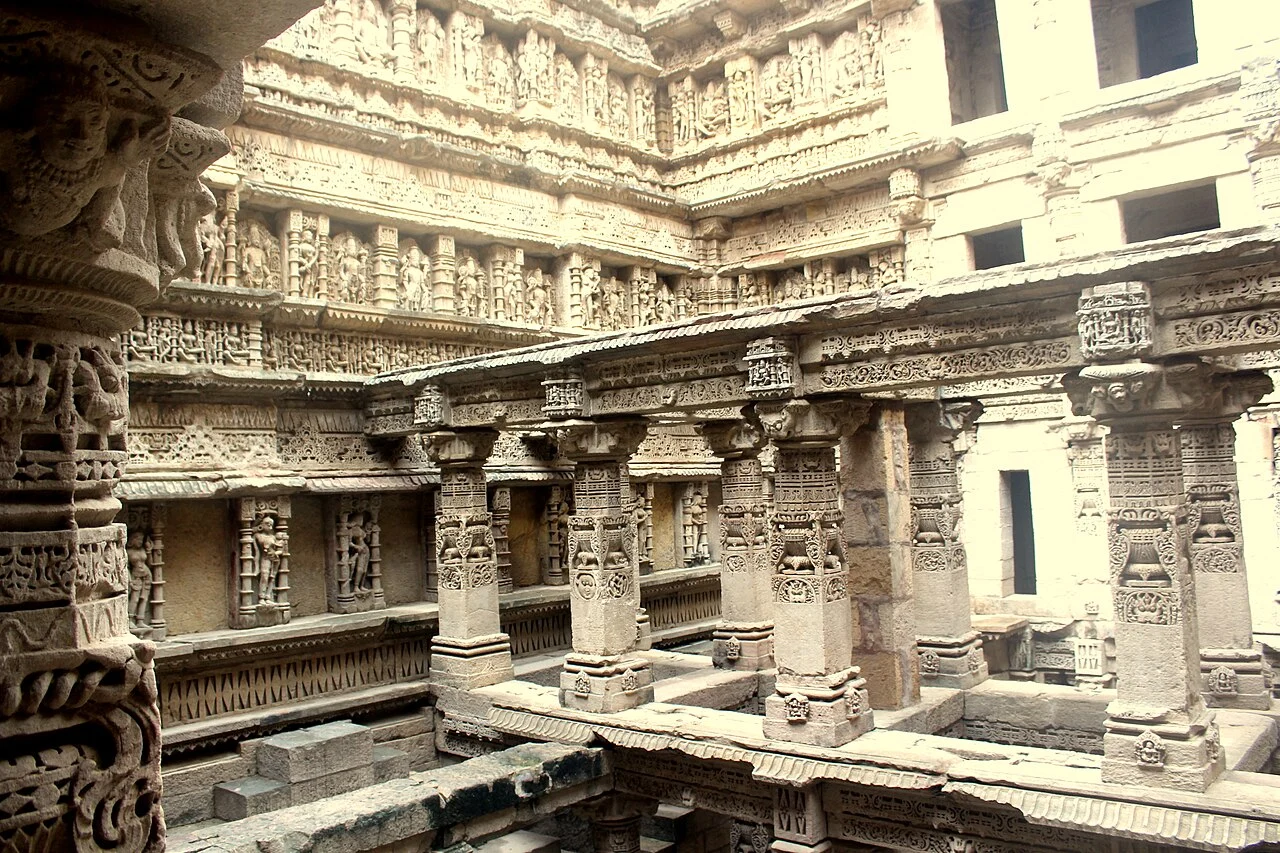
- Rani-ki-Vav (the Queen’s Stepwell), Patan
- Champaner-Pavagadh Archaeological Park
- Historic City of Ahmadabad
- Dholavira, a Harappan city
Madhya Pradesh, Bihar and Odisha
- Buddhist Monuments at Sanchi
- Rock Shelters of Bhimbetka
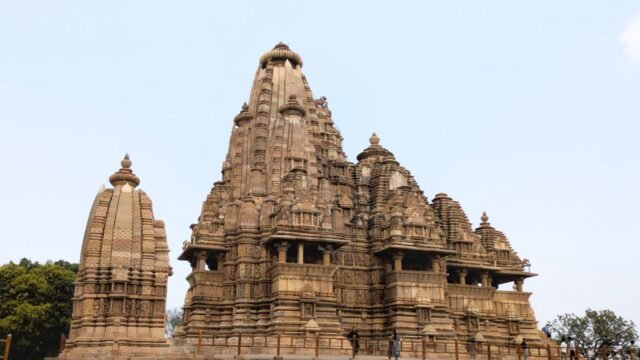
- Khajuraho Group of Monuments
- Mahabodhi Temple Complex at Bodh Gaya
- Archaeological Site of Nalanda Mahavihara
- Sun Temple, Konark
South India
- Group of Monuments at Hampi (Karnataka)
- Group of Monuments at Pattadakal (Karnataka)
- Sacred Ensembles of the Hoysalas (Karnataka)
- Western Ghats (natural), across several states
- Great Living Chola Temples (Tamil Nadu)
- Group of Monuments at Mahabalipuram (Tamil Nadu)
- Kakatiya Rudreshwara (Ramappa) Temple, Telangana
- Churches and Convents of Goa
East, Northeast and the Himalaya
- Santiniketan (West Bengal)
- Sundarbans National Park (natural), West Bengal
- Kaziranga National Park (natural), Assam
- Manas Wildlife Sanctuary (natural), Assam
- Moidams: the Mound-Burial System of the Ahom Dynasty (Assam)
- Khangchendzonga National Park (mixed), Sikkim
- Nanda Devi and Valley of Flowers National Parks (natural), Uttarakhand
- Great Himalayan National Park Conservation Area (natural), Himachal Pradesh
- Mountain Railways of India (Darjeeling, Nilgiri and Kalka–Shimla)
- The Architectural Work of Le Corbusier, including the Capitol Complex (Chandigarh)
Which sites do we cover in detail?
Read our guides to the Taj Mahal, Ajanta and Ellora Caves, Hampi and Rani ki Vav.
Sources used for this article: UNESCO’s announcement of Sarnath’s inscription (25 July 2026) and its release on the Maratha Military Landscapes; the Press Information Bureau’s note on Sarnath (26 August 2026); Wikipedia’s List of World Heritage Sites in India; and overviews from Nomira, Vajiram & Ravi, Adda247 and others for the cultural, natural and mixed breakdown. The cultural count of 37 is derived by adding Sarnath to the 36 reported before it. Where sources differ, the text says so. Photographs are used under Creative Commons licences with credits shown beneath each.
Frequently asked questions
-
How many UNESCO World Heritage Sites are in India?
India has 45 UNESCO World Heritage Sites as of July 2026, after the Ancient Buddhist Site of Sarnath was inscribed on 25 July 2026. Before Sarnath there were 44.
-
Which is the newest World Heritage Site in India?
The Ancient Buddhist Site of Sarnath in Uttar Pradesh, inscribed on 25 July 2026 at the 48th session of the World Heritage Committee in Busan.
-
Which were India’s first World Heritage Sites?
The Ajanta Caves, Ellora Caves, Agra Fort and the Taj Mahal, all inscribed in 1983.
-
How many are cultural, natural and mixed?
Before Sarnath there were 36 cultural, 7 natural and 1 mixed site; Sarnath is cultural, making 37 cultural, 7 natural and 1 mixed.
-
Which is India’s only mixed World Heritage Site?
Khangchendzonga National Park in Sikkim.
-
Where does India rank in the number of World Heritage Sites?
India ranks sixth in the world and second in the Asia-Pacific region.
-
What was the 44th Indian site?
The Maratha Military Landscapes of India, twelve forts mostly in Maharashtra and one in Tamil Nadu, inscribed in July 2025.