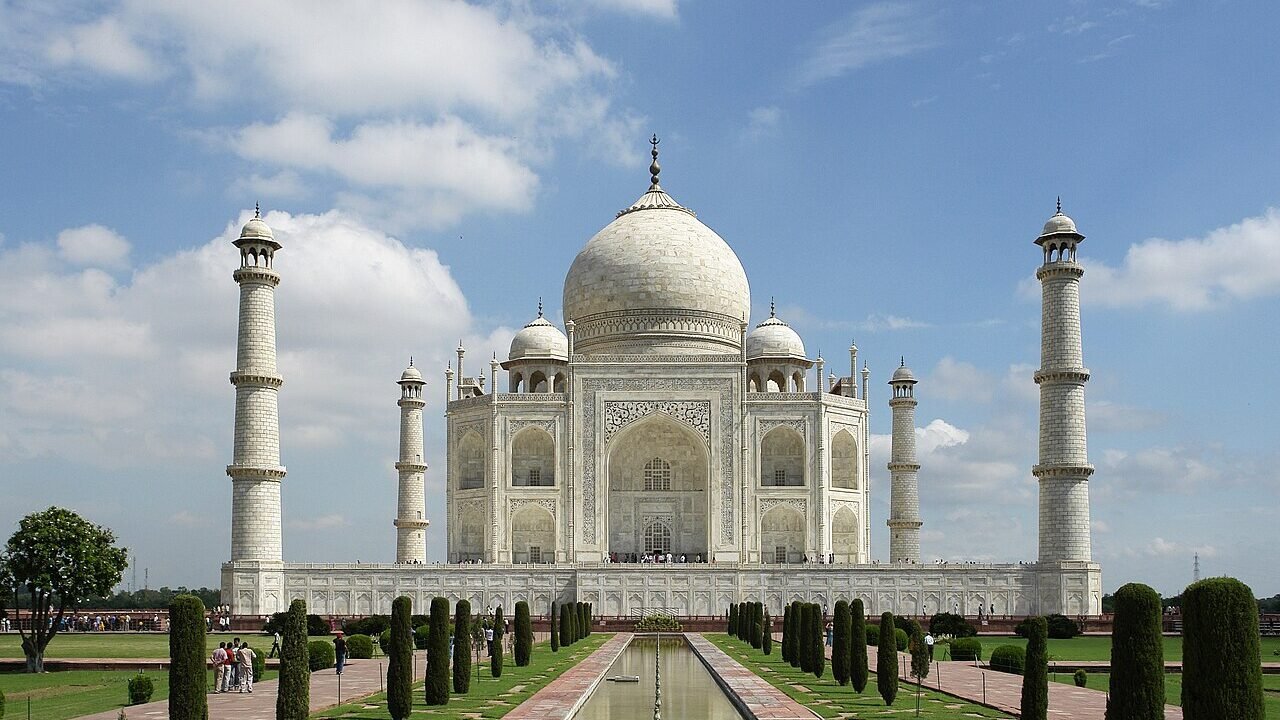
In Indian history, an “emperor” usually means a ruler who controlled a large, multi-regional empire. The best-known are Chandragupta Maurya and Ashoka (Maurya), Samudragupta and Chandragupta II (Gupta), Harshavardhana, Rajaraja Chola I, Krishnadevaraya of Vijayanagara, and the Mughals Akbar and Shah Jahan. There is no official list: titles varied, historians disagree on some dates, and this is a selection of well-documented rulers, not a ranking.
Updated 6 October 2026. Reign dates below are the commonly cited ones and can differ by a year or so between sources.
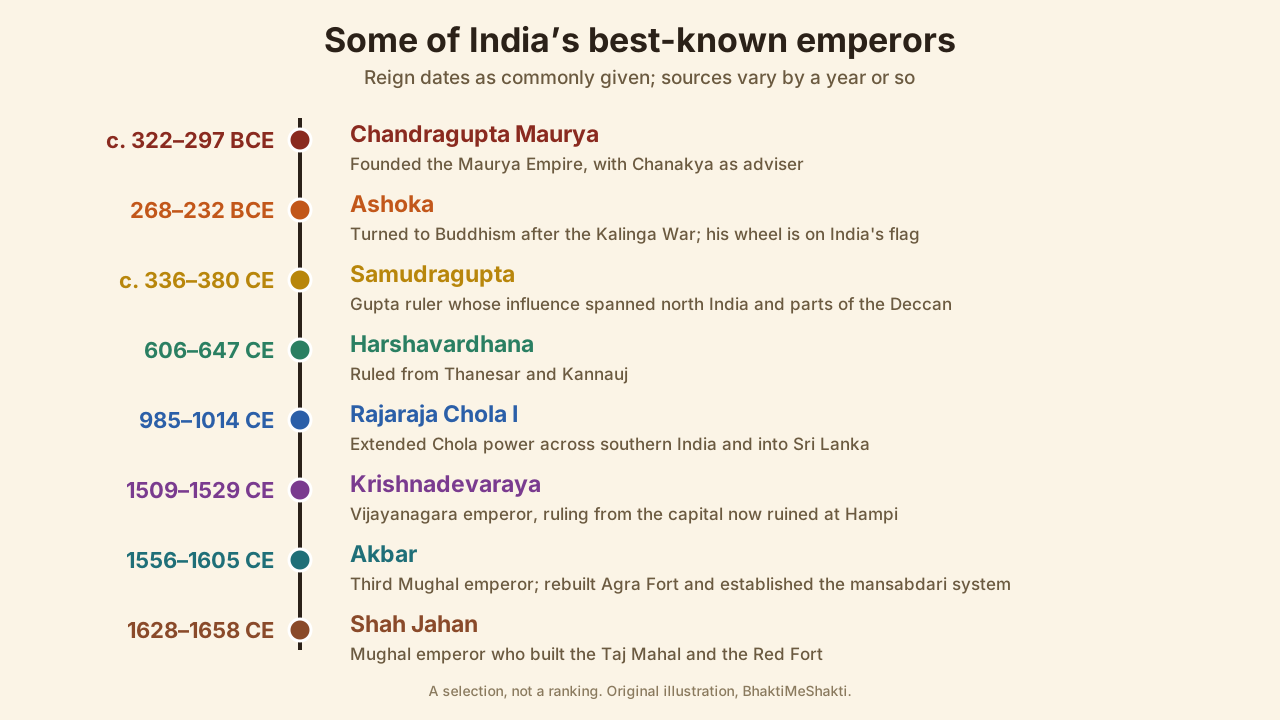
Who are the famous emperors of India?
| Emperor | Dynasty | Reign | Known for |
|---|---|---|---|
| Chandragupta Maurya | Maurya | c. 322–297 BCE | Founder of the Maurya Empire, often called the first historical emperor of India |
| Ashoka | Maurya | 268–232 BCE | The Kalinga War, his turn to Buddhism and his edicts; the Ashoka Chakra on India’s flag |
| Samudragupta | Gupta | c. 336–380 CE | Expanded the Gupta realm across north India and parts of the Deccan |
| Chandragupta II | Gupta | (dates vary) | Consolidated Gupta power; period of great cultural achievement |
| Harshavardhana | Vardhana | 606–647 CE | Ruled from Thanesar and Kannauj |
| Rajaraja Chola I | Chola | 985–1014 CE | Extended Chola power across southern India and into Sri Lanka |
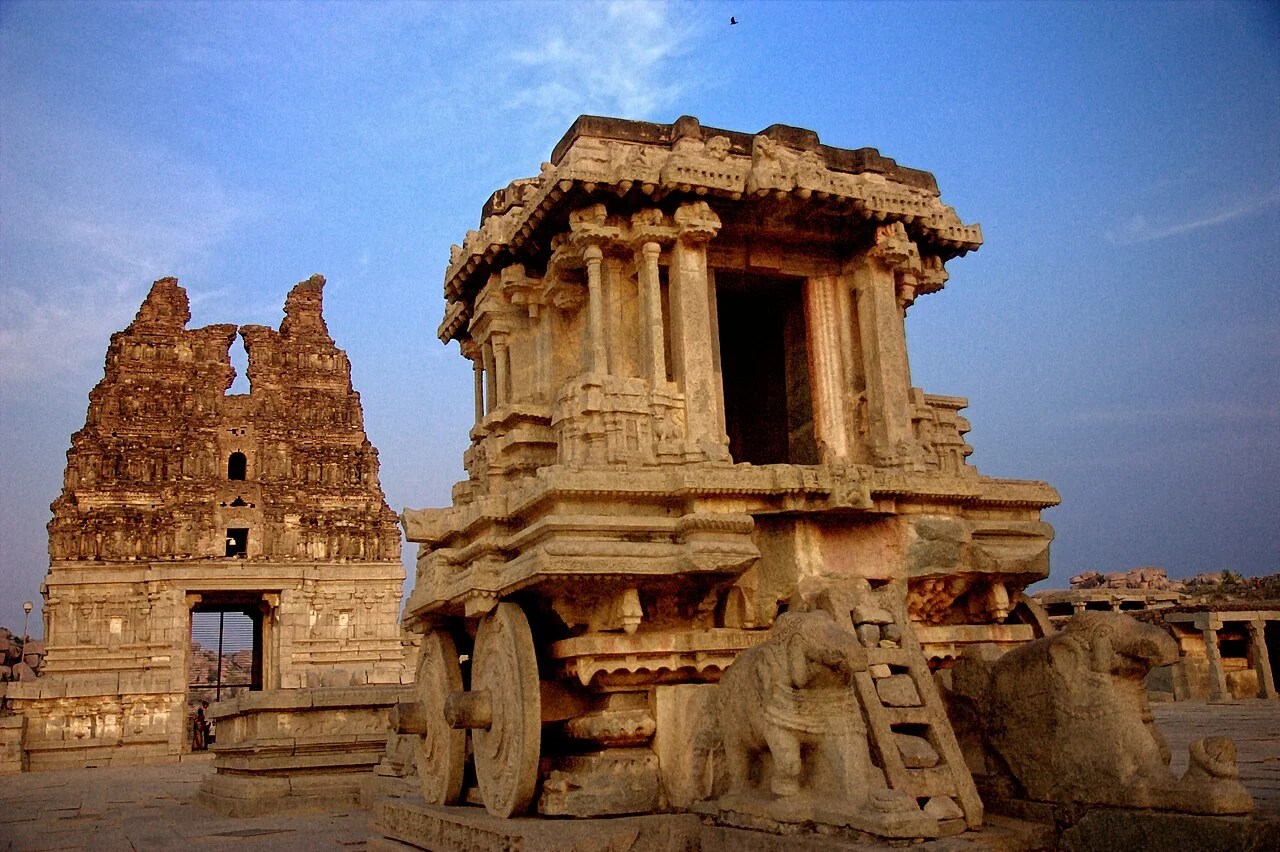
| Krishnadevaraya | Tuluva (Vijayanagara) | 1509–1529 CE | Prominent ruler of the Vijayanagara Empire, whose capital was at Hampi |
| Akbar | Mughal | 1556–1605 CE | Third Mughal emperor; mansabdari system; policy of religious tolerance |
| Shah Jahan | Mughal | 1628–1658 CE | Builder of the Taj Mahal and the Red Fort |
Who were the Maurya emperors?
The Maurya Empire was founded by Chandragupta Maurya around 322 or 321 BCE (sources differ by a year) and lasted until 185 BCE, with its capital at Pataliputra. Tradition says his adviser Chanakya, also known as Kautilya, helped him. The third Maurya emperor, Ashoka (268–232 BCE), is the best known. During his reign the empire controlled the major urban hubs and routes of the subcontinent except the deep south. His conquest of Kalinga, usually dated to around 261 BCE (some sources say about 265), was extremely violent; in his own edicts he reports 100,000 deaths and 150,000 deportations, and the edicts show him moving gradually towards Buddhism and the policy of dhamma. The Ashoka Chakra now sits at the centre of the national flag of India. Our guide to the UNESCO sites includes places associated with Ashoka, such as Sanchi and Sarnath.
Who were the Gupta emperors and Harshavardhana?
The Gupta period is often called a “Golden Age” of art and science. Samudragupta (about 336–380 CE) is sometimes referred to as the “Napoleon of India”, a label applied by later writers, and his influence covered North India and parts of the Deccan. Chandragupta II consolidated the Gupta footprint. Later, Harshavardhana (606–647 CE) ruled from Thanesar and Kannauj.
Who were the Chola and Vijayanagara emperors?
The Cholas were a maritime power in the south, and Rajaraja Chola I (985–1014 CE) is described as extending the empire across southern India and into Sri Lanka. The Great Living Chola Temples are on the UNESCO list. In the 16th century, Krishnadevaraya (1509–1529) ruled the Vijayanagara Empire, whose ruined capital at Hampi we describe in our Hampi guide.
Who were the great Mughal emperors?
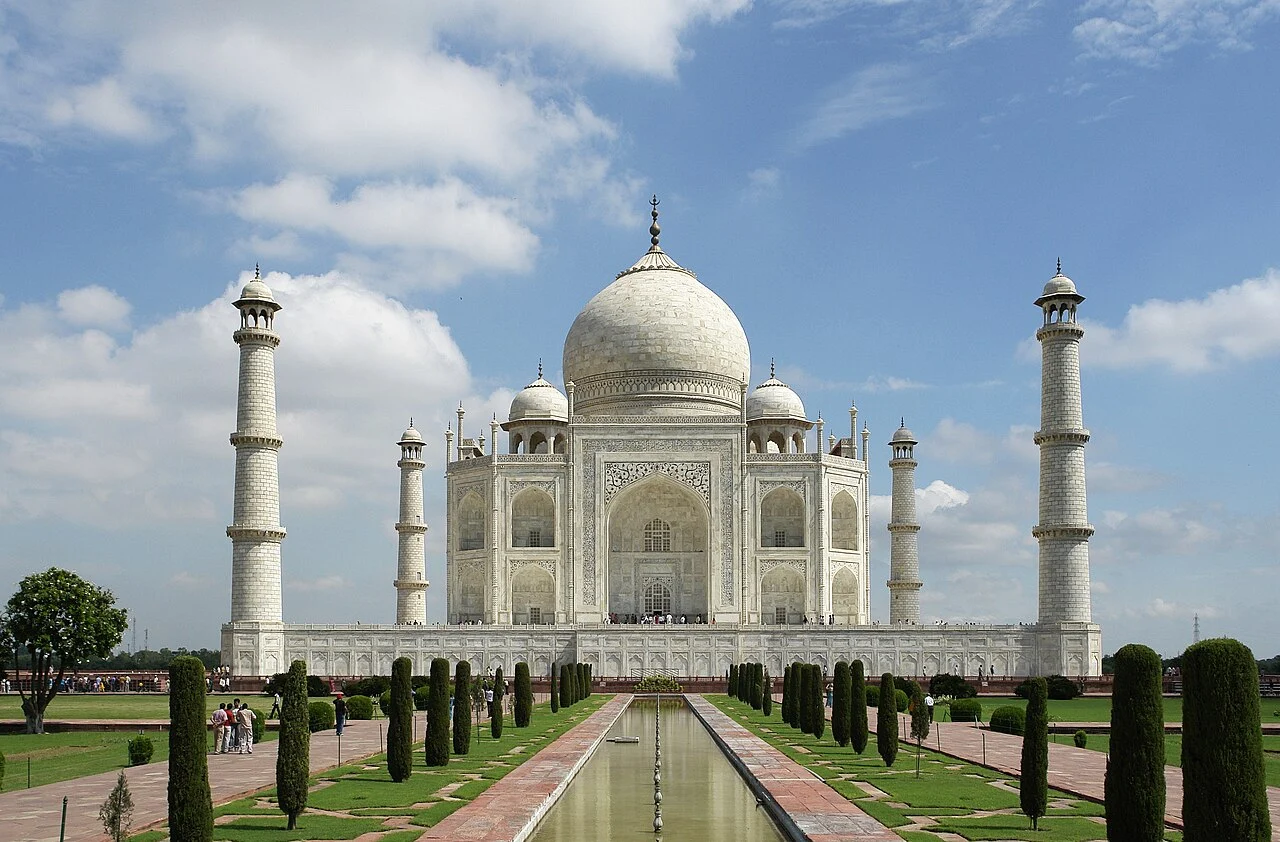
Akbar (1556–1605) was the third Mughal emperor. He established the mansabdari system of ranked officials and is remembered for promoting religious tolerance, including through his attempt at a syncretic faith, Din-i-Ilahi. He rebuilt Agra Fort between 1565 and 1573. Shah Jahan (reigned 1628–1658) built the Taj Mahal for his wife Mumtaz Mahal and the Red Fort in Delhi when he moved his capital there. Aurangzeb is described as the last powerful Mughal emperor. See our guides to the Taj Mahal and the top 10 forts of India.
Why is “emperor” a loose term?
Rulers used different titles, such as chakravartin or maharajadhiraja, and modern writers apply “emperor” to those who ruled very large territories. Even then, borders shifted: Ashoka’s empire excluded the deep south, for instance. Labels like “Napoleon of India” and “first historical emperor” are interpretations, not official titles. Powerful rulers who are not covered here, such as the Marathas, also have a major place in Indian history.
Sources used for this article: Wikipedia’s entries on the Maurya Empire, Ashoka, the Kalinga War and the list of Maurya emperors; Vajiram & Ravi’s and Physics Wallah’s overviews of prominent rulers of India; Anantam IAS’s Agra Fort page; and our own earlier research for Shah Jahan’s buildings. Where sources differ, the text says so. The photographs are used under Creative Commons licences with credits shown beneath each.
Frequently asked questions
-
Who was the first emperor of India?
Chandragupta Maurya is often called the first historical emperor of India. He founded the Maurya Empire around 322 or 321 BCE.
-
Who are the most famous emperors of India?
Commonly cited are Chandragupta Maurya, Ashoka, Samudragupta, Chandragupta II, Harshavardhana, Rajaraja Chola I, Krishnadevaraya, Akbar and Shah Jahan. There is no official list.
-
Why is Ashoka famous?
Ashoka (268–232 BCE) ruled most of the subcontinent except the deep south, conquered Kalinga around 261 BCE, and afterwards turned towards Buddhism and the policy of dhamma, recorded in his edicts. His Ashoka Chakra is at the centre of India’s flag.
-
Which emperor built the Taj Mahal?
The Mughal emperor Shah Jahan, who reigned from 1628 to 1658, built it for his wife Mumtaz Mahal.
-
Who was Akbar?
The third Mughal emperor (1556–1605), known for the mansabdari system and for promoting religious tolerance.
-
Who was Krishnadevaraya?
A prominent ruler of the Vijayanagara Empire who reigned from 1509 to 1529; its capital was at Hampi in present-day Karnataka.
-
Why do sources give different dates for the same emperor?
Ancient chronologies rely on inscriptions and later texts, so reign dates for early rulers such as Chandragupta Maurya differ by a year or so between sources.