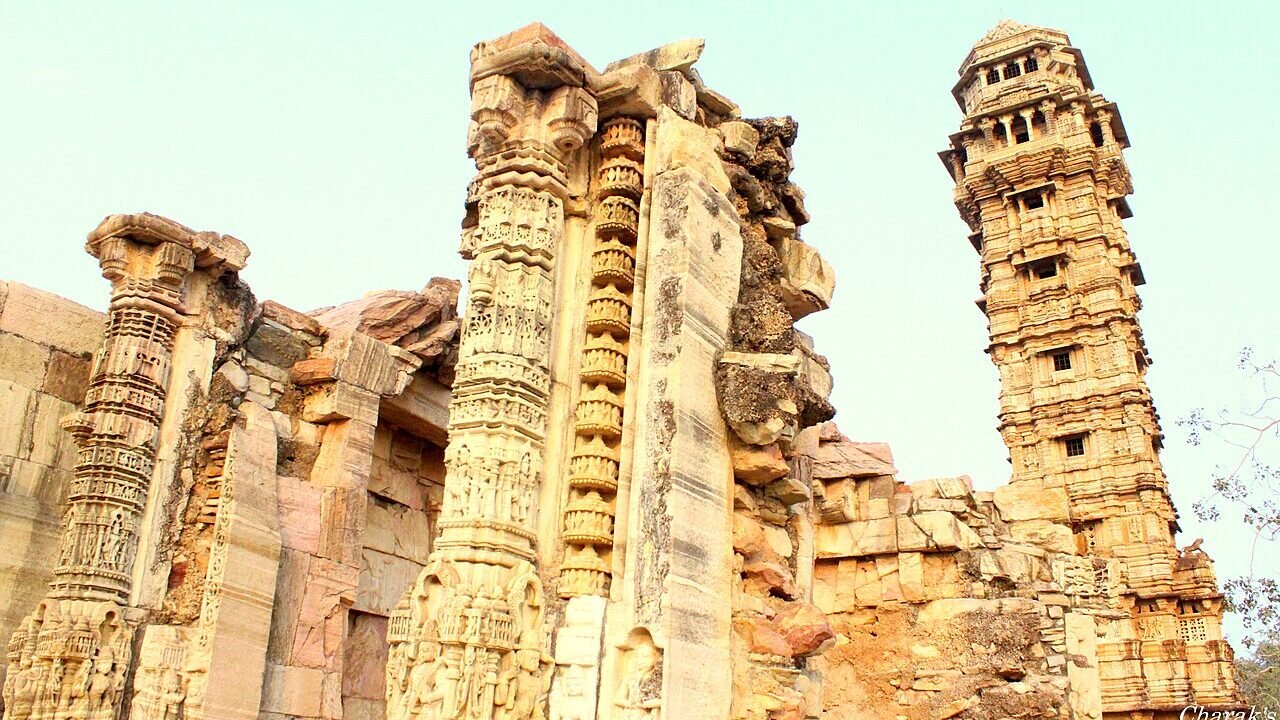
Ten of India’s most celebrated forts are Chittorgarh, Kumbhalgarh, Amer, Jaisalmer, Ranthambore, Mehrangarh, the Red Fort in Delhi, Agra Fort, Gwalior Fort and Golconda. Seven are UNESCO World Heritage Sites: the six Hill Forts of Rajasthan (Chittorgarh, Kumbhalgarh, Amer, Jaisalmer, Ranthambore and Gagron) include five of them, and the Red Fort and Agra Fort are separately listed. Mehrangarh, Gwalior and Golconda are not UNESCO-listed.
Updated 8 October 2026. “Top 10” is an editorial choice, not an official ranking. These are in no particular order, picked for historical importance, how well their history is documented and regional spread. Each fort below has its own section with exterior and interior photographs. Ticket prices and timings change, so check locally.
The top 10 forts of India at a glance
| Fort | State | Known for | UNESCO status |
|---|---|---|---|
| Chittorgarh Fort | Rajasthan | About 690 acres on a hilltop; three major sieges; the Vijay Stambh | Yes, 2013 (Hill Forts of Rajasthan) |
| Kumbhalgarh Fort | Rajasthan | A perimeter wall of about 36 km; built by Rana Kumbha in the 15th century | Yes, 2013 |
| Amer Fort | Rajasthan (Jaipur) | Former home of Rajput maharajas | Yes, 2013 |
| Jaisalmer Fort | Rajasthan | The “Golden Fort”, built in 1156; a living fort | Yes, 2013 |
| Ranthambore Fort | Rajasthan | UNESCO calls it an exemplar of a forest hill fort | Yes, 2013 |
| Mehrangarh Fort | Rajasthan (Jodhpur) | Built by Rao Jodha in 1459 on a high rock | No |
| Red Fort | Delhi | Built by Shah Jahan, 1638–1648, in red sandstone | Yes, 2007 (Red Fort Complex) |
| Agra Fort | Uttar Pradesh | Rebuilt by Akbar from 1565; marble palaces added by Shah Jahan | Yes, 1983 |
| Gwalior Fort | Madhya Pradesh | Hilltop fort with Man Mandir Palace and the Sas Bahu and Teli ka Mandir temples | No |
| Golconda Fort | Telangana (Hyderabad) | Began as a Kakatiya mud fort; expanded under the Qutb Shahis | No |
Which of the top forts are in Rajasthan?
Six of the ten are. UNESCO inscribed six forts together as the Hill Forts of Rajasthan in 2013: Chittorgarh, Kumbhalgarh, Ranthambore, Gagron, Amer and Jaisalmer. UNESCO describes them as the fortified seats of Rajput princely states between the 8th and 18th centuries, with defences up to 20 km around and water-harvesting structures that are largely still in use. Mehrangarh in Jodhpur is also in Rajasthan, but it is not part of that listing, although some travel sites wrongly say it is. Gagron is not in this top ten, so the five listed Rajasthan forts here are Chittorgarh, Kumbhalgarh, Amer, Jaisalmer and Ranthambore.
1. Chittorgarh Fort: three sieges and a tower of victory
At a glance: Chittor, Rajasthan · about 280 hectares (roughly 690 acres) on a hill about 180 m high · UNESCO World Heritage Site since 2013.
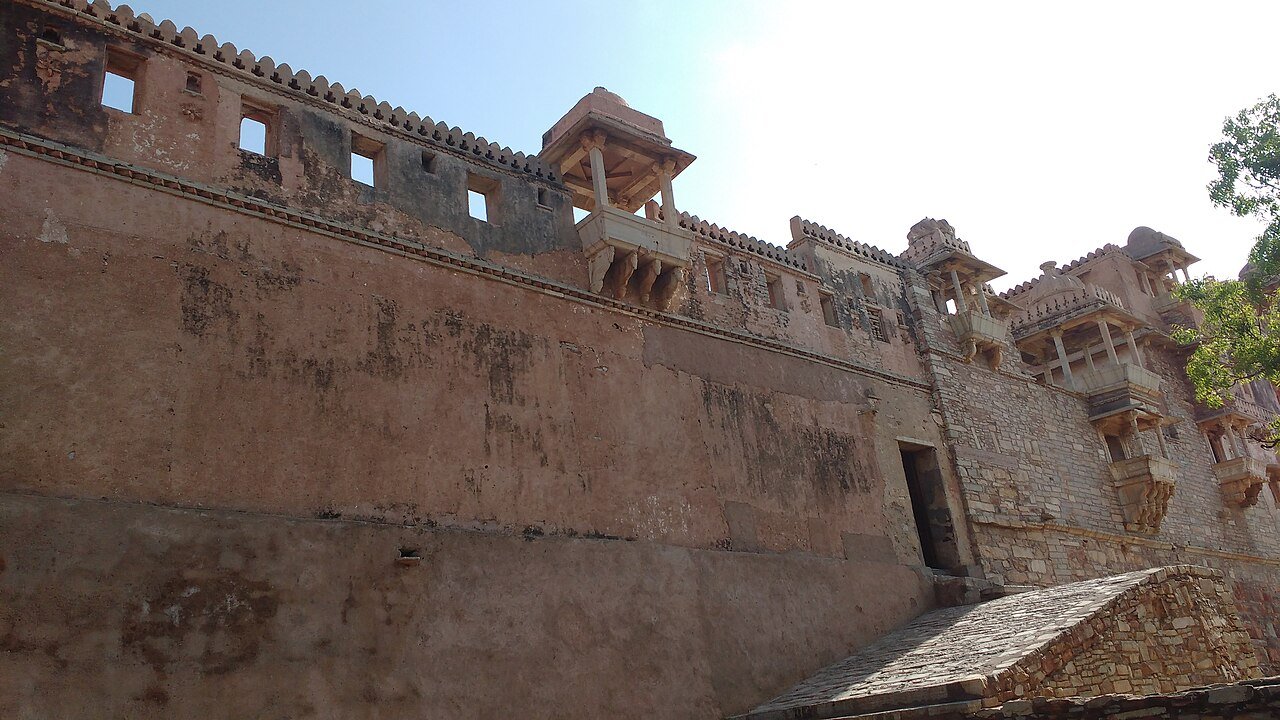
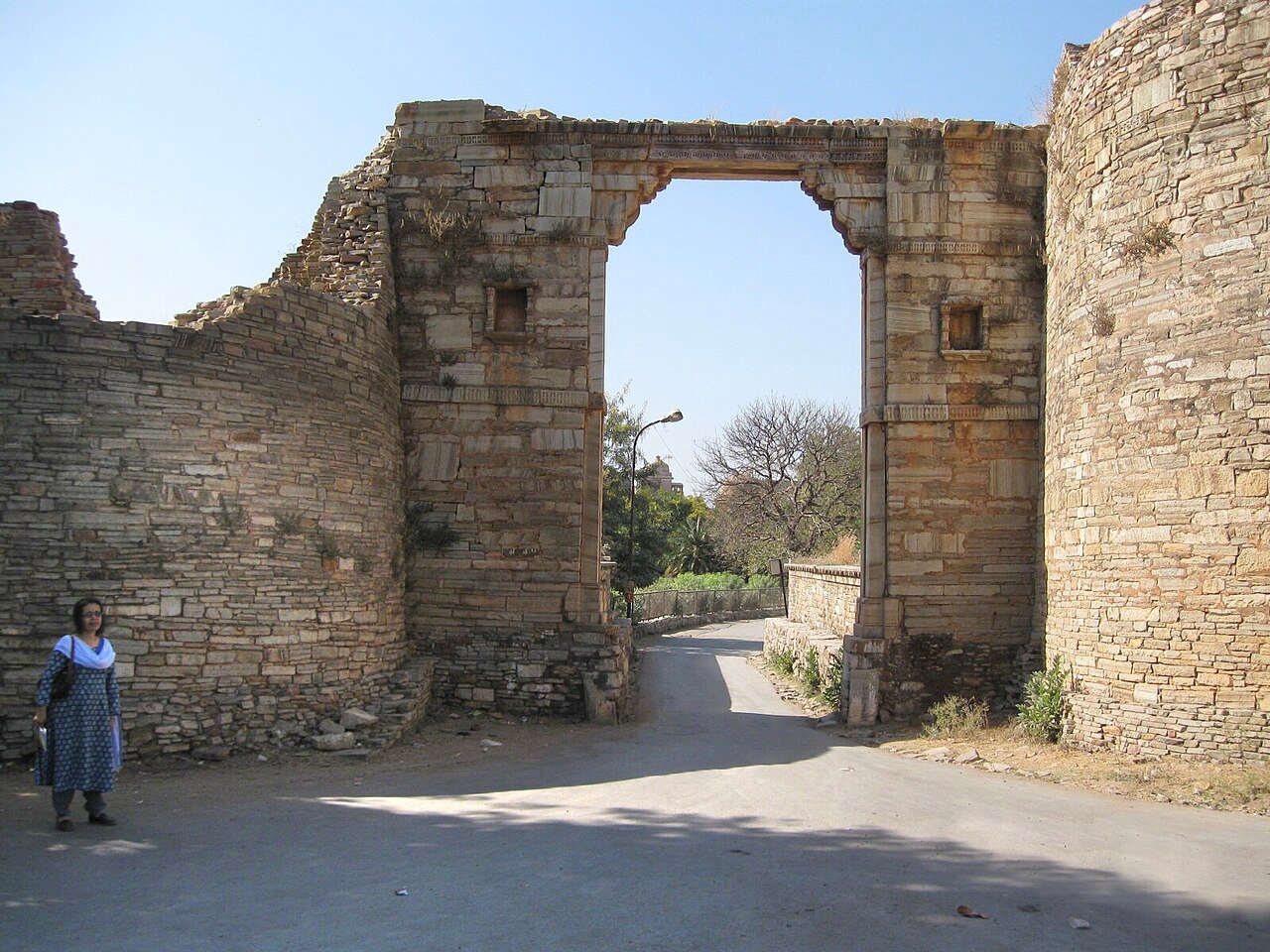
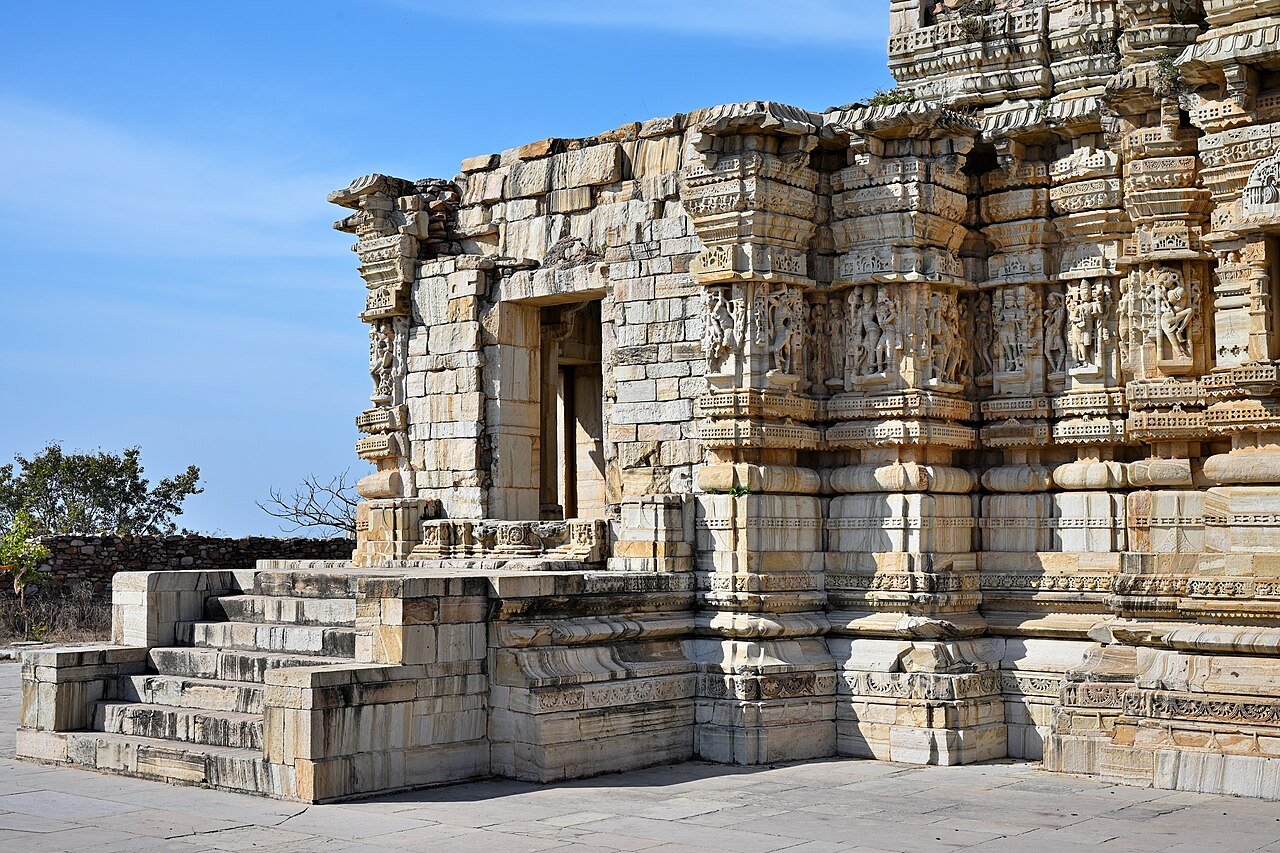
Chittorgarh is often described as one of the largest forts in India, and its scale shows the moment you start the climb. The hill rises about 180 m above the plain, and a road runs up through seven gates, the last of them the Ram Pol, all attributed to Rana Kumbha. Tradition says the Guhila ruler Bappa Rawal took the fort in the eighth century, although some historians doubt the date. What is better documented is that the fort changed hands through three famous sieges: Alauddin Khalji took it from Ratnasimha in 1303 after about eight months, Bahadur Shah of Gujarat sacked it in 1535, and Akbar besieged it for roughly four months before it fell in 1568.
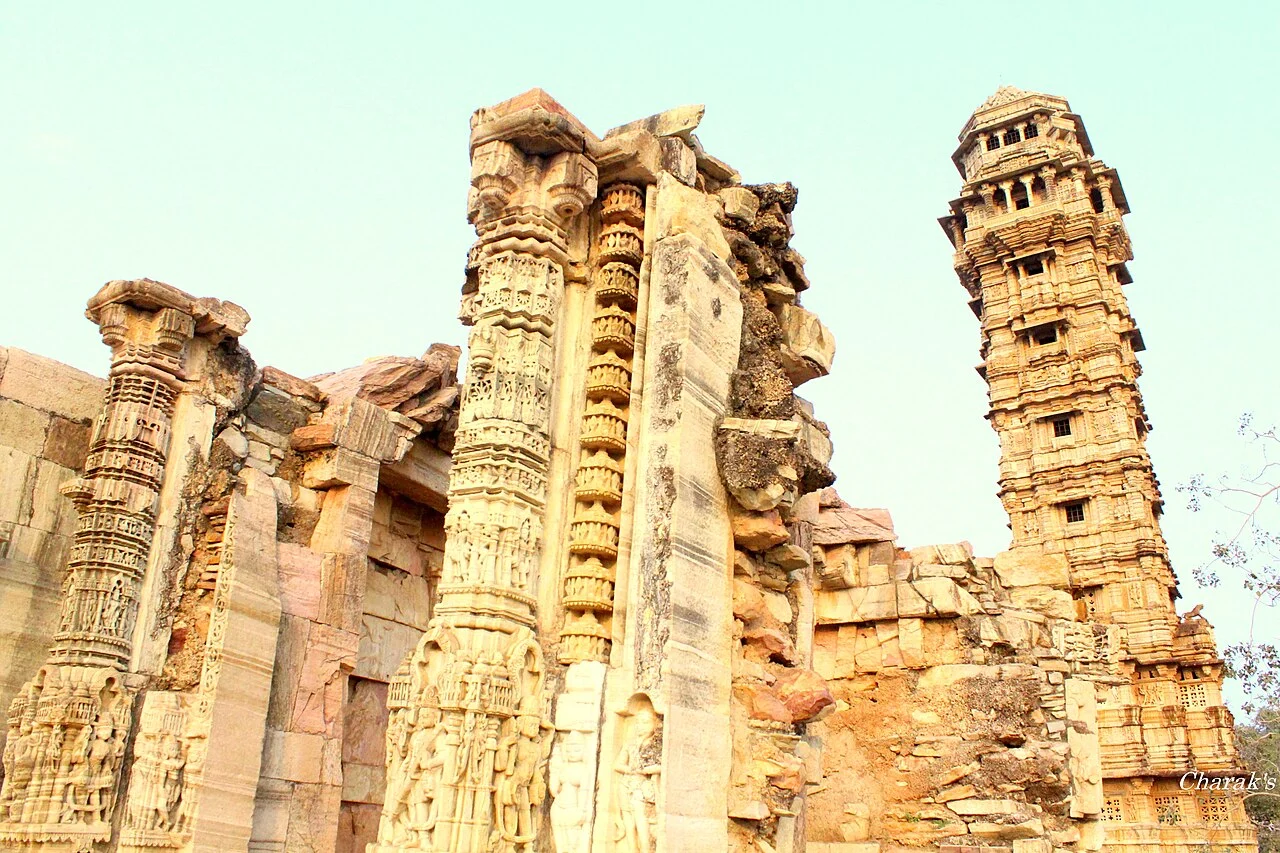
Inside the walls, two towers stand out. The Vijaya Stambha, the Tower of Victory, was raised by Rana Kumbha between 1458 and 1468 to mark his 1440 victory over Mahmud Shah I Khalji. It is about 37 m tall, with nine storeys and 157 steps inside, and its surfaces are carved with sculpture. Close by is the older Kirti Stambha, a Jain tower of around 22 m, probably from the 12th century and dedicated to Adinath. Together they show how different traditions shared the same hilltop.
The rest of the plateau is a walk through ruins and shrines: the Rana Kumbha Palace near the entrance, the Meera Temple linked with the poet-saint Mirabai, the Kalika Mata Temple (originally an eighth-century sun temple) and the white Padmini’s Palace, which is largely a 19th-century rebuilding. The Padmini story is a famous legend that most modern historians treat as unreliable, so it is best read as folklore. Allow at least half a day, wear good shoes and carry water. For more detail see our Chittorgarh Fort guide.
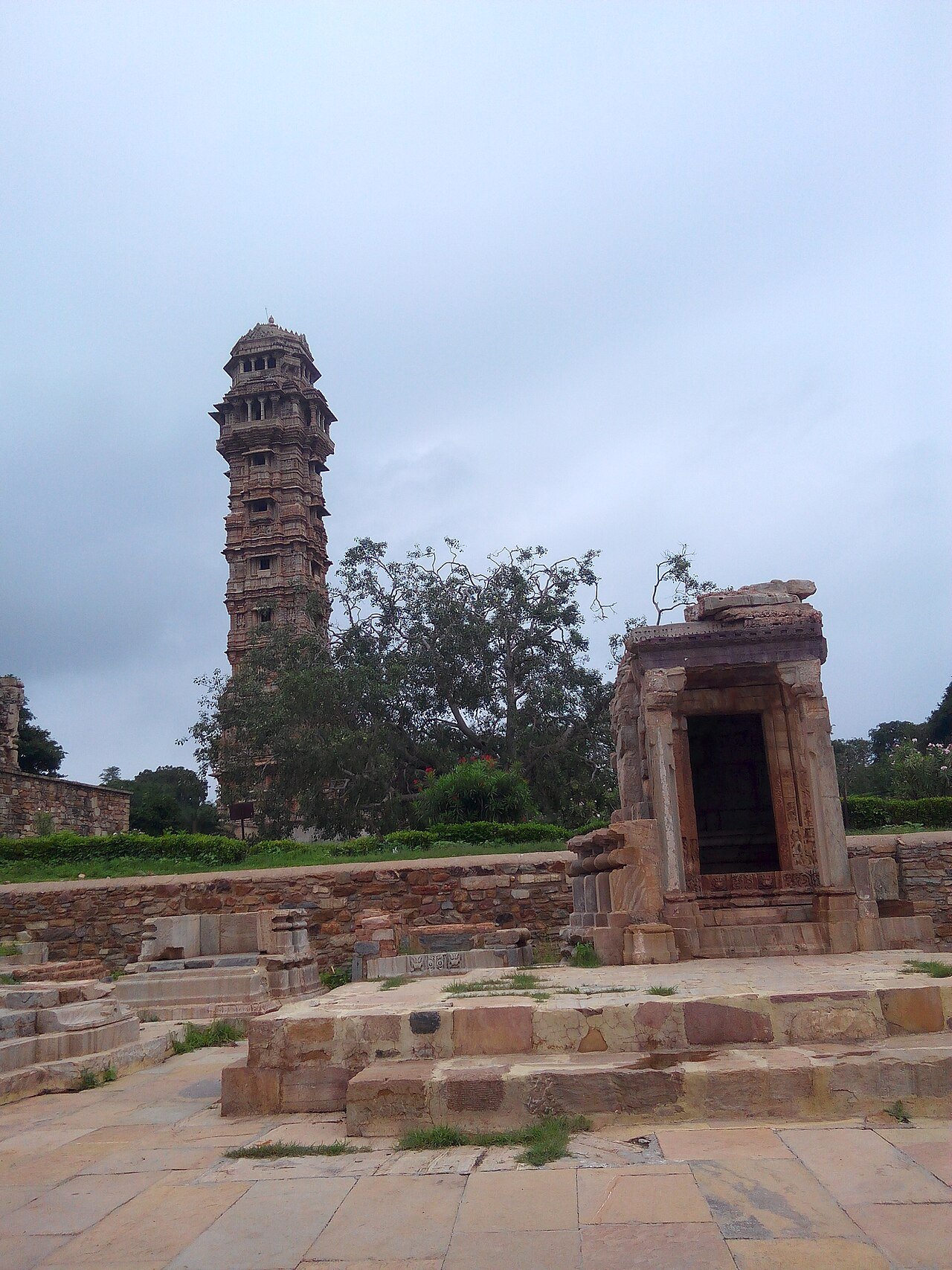
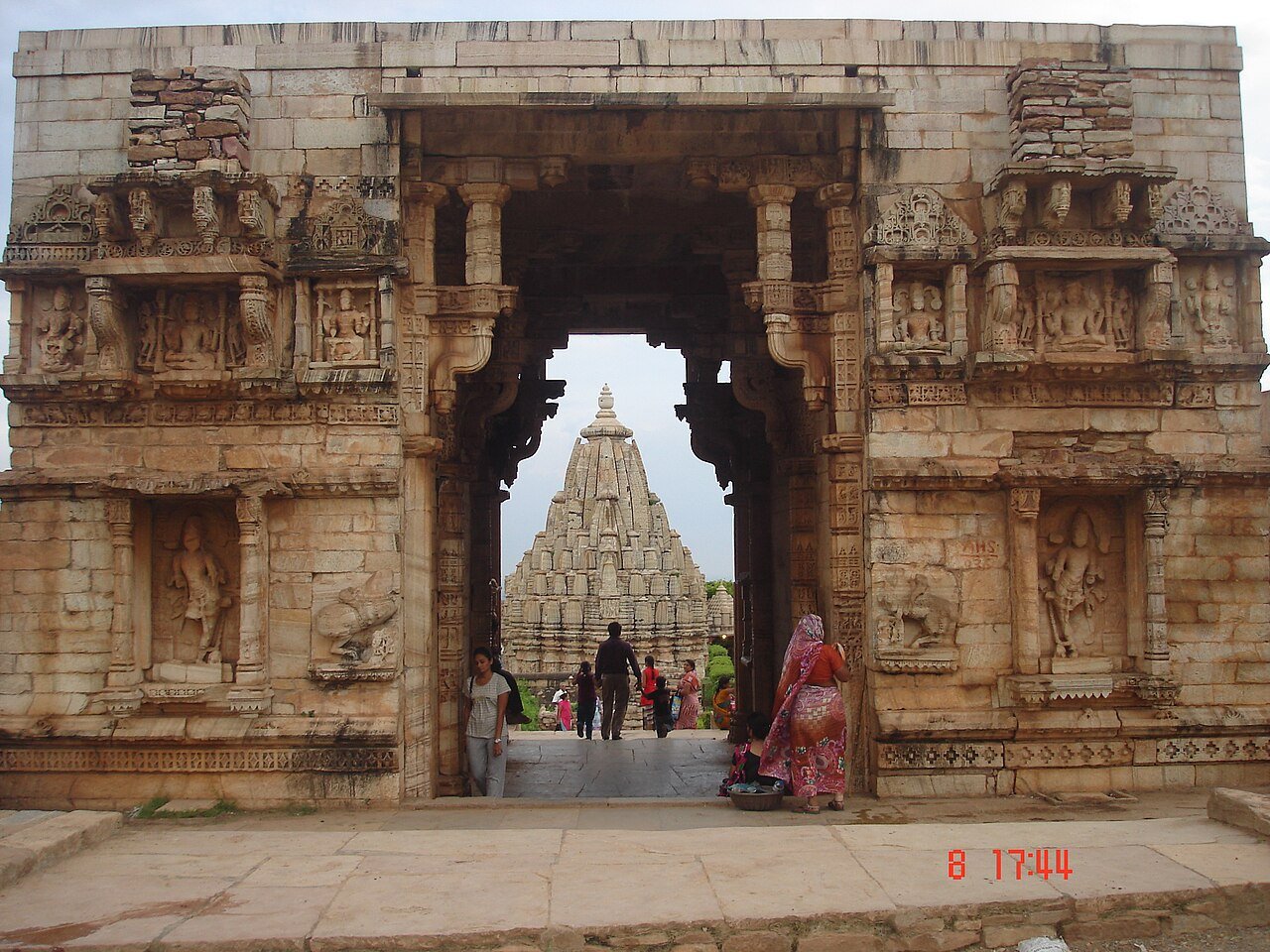
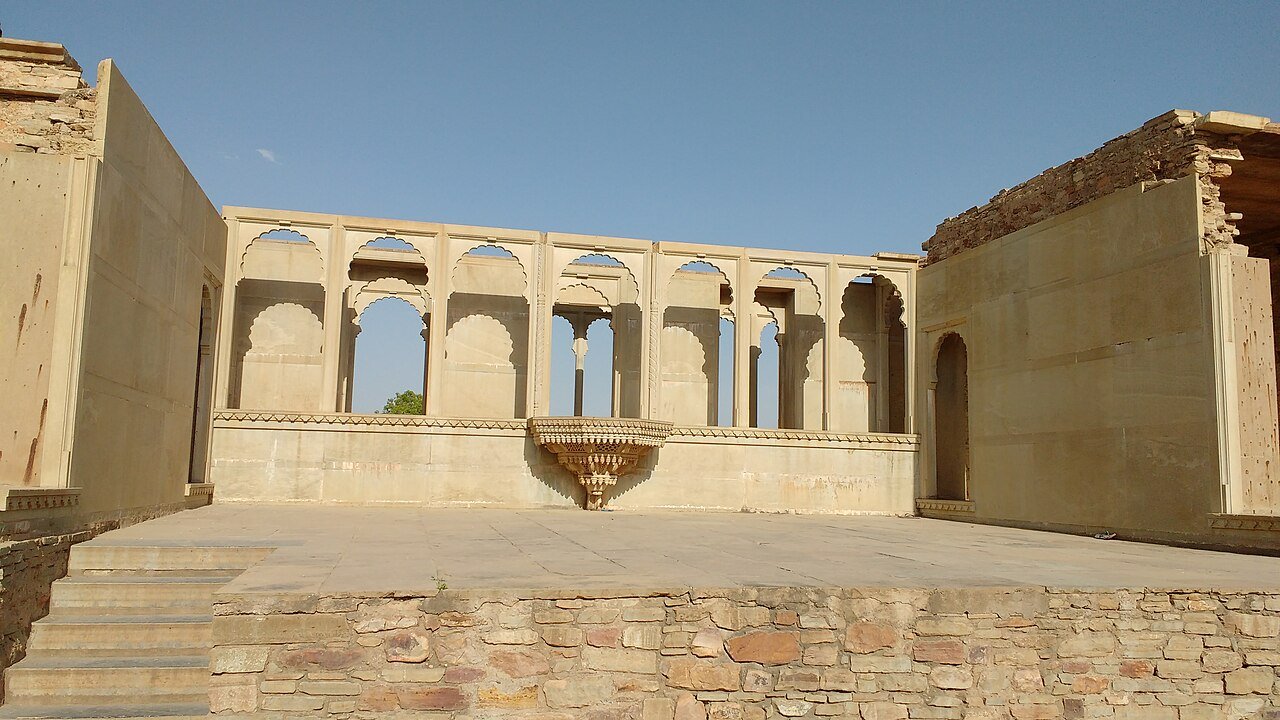
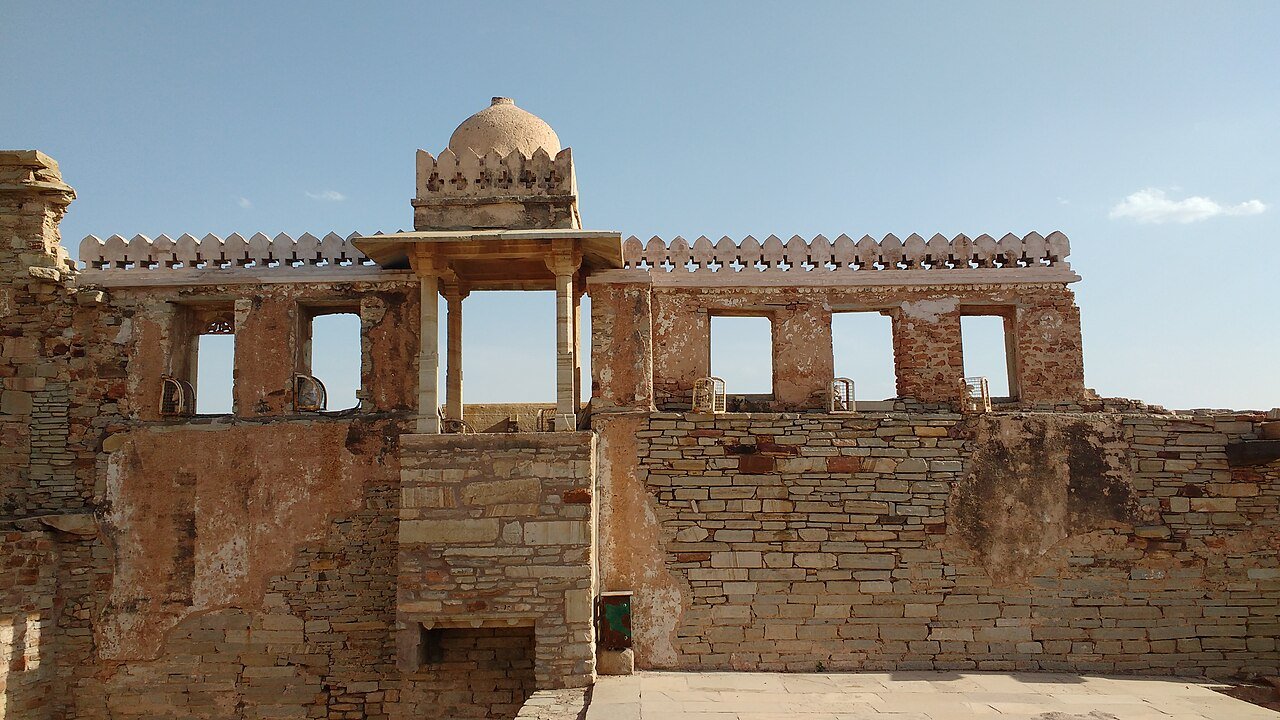
Swipe or scroll for more photos →
2. Kumbhalgarh Fort: the wall that winds across the Aravallis
At a glance: near Rajsamand, Rajasthan · built by Rana Kumbha, about 1448 · about 1,100 m above sea level · UNESCO World Heritage Site since 2013.
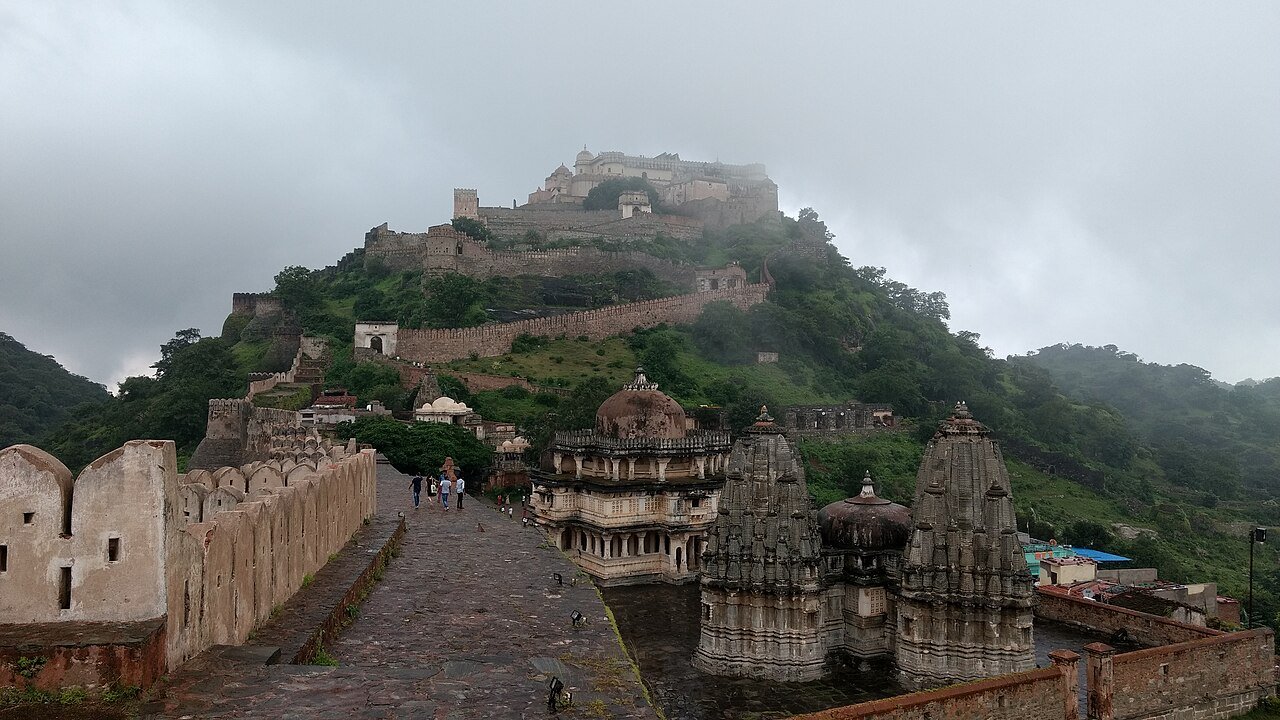
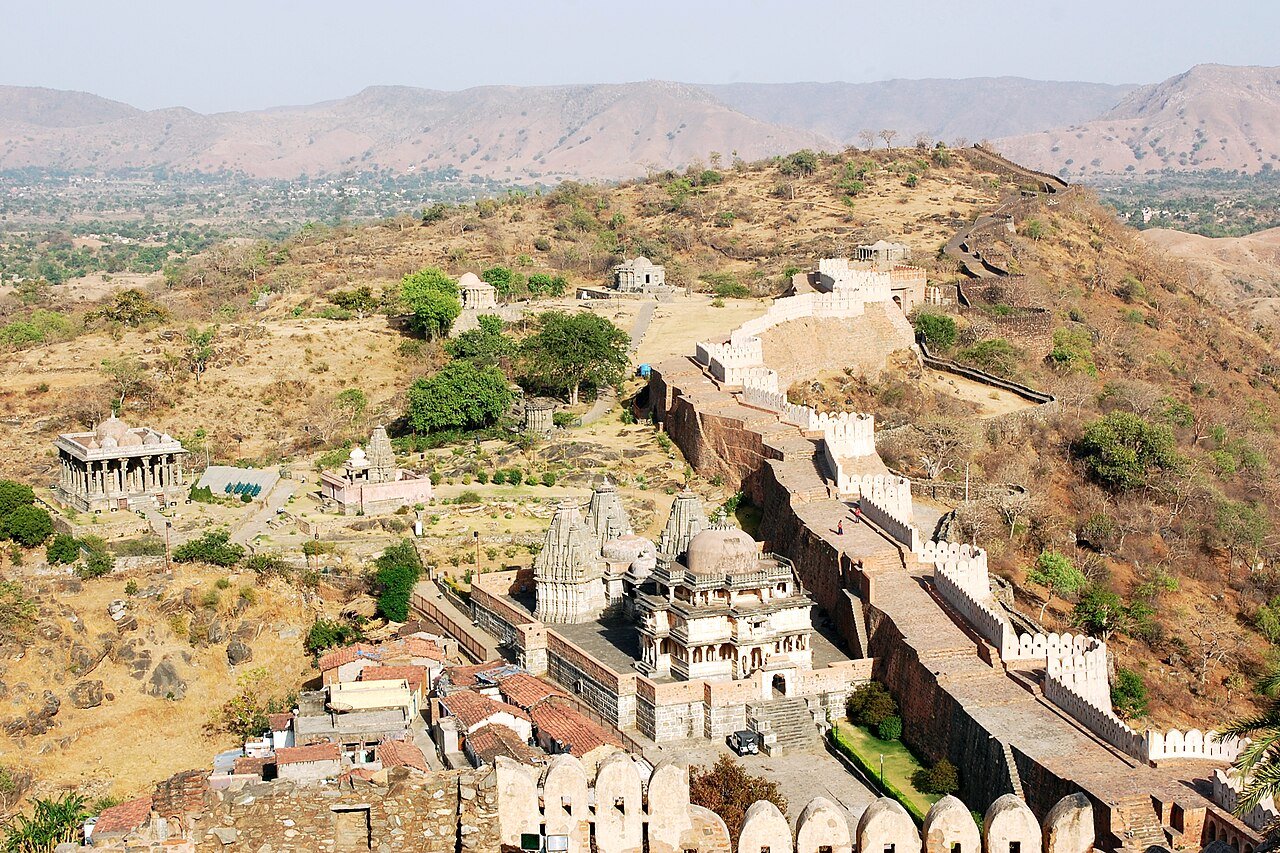
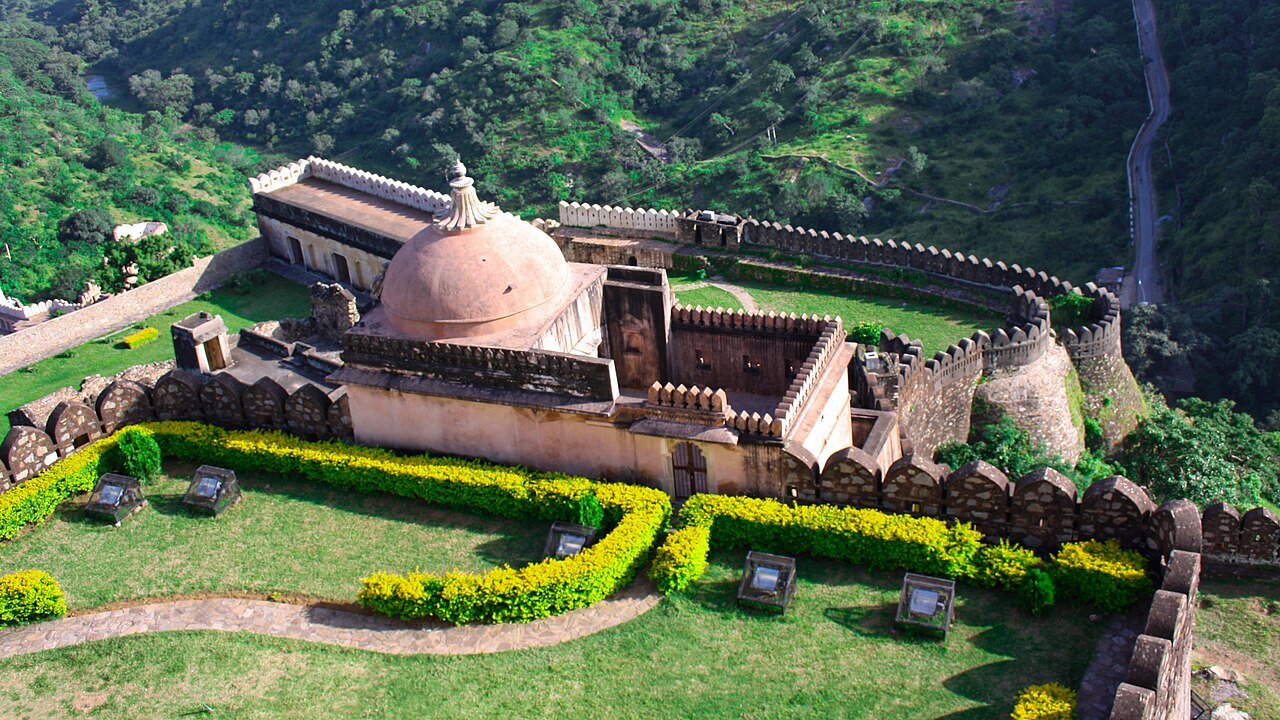
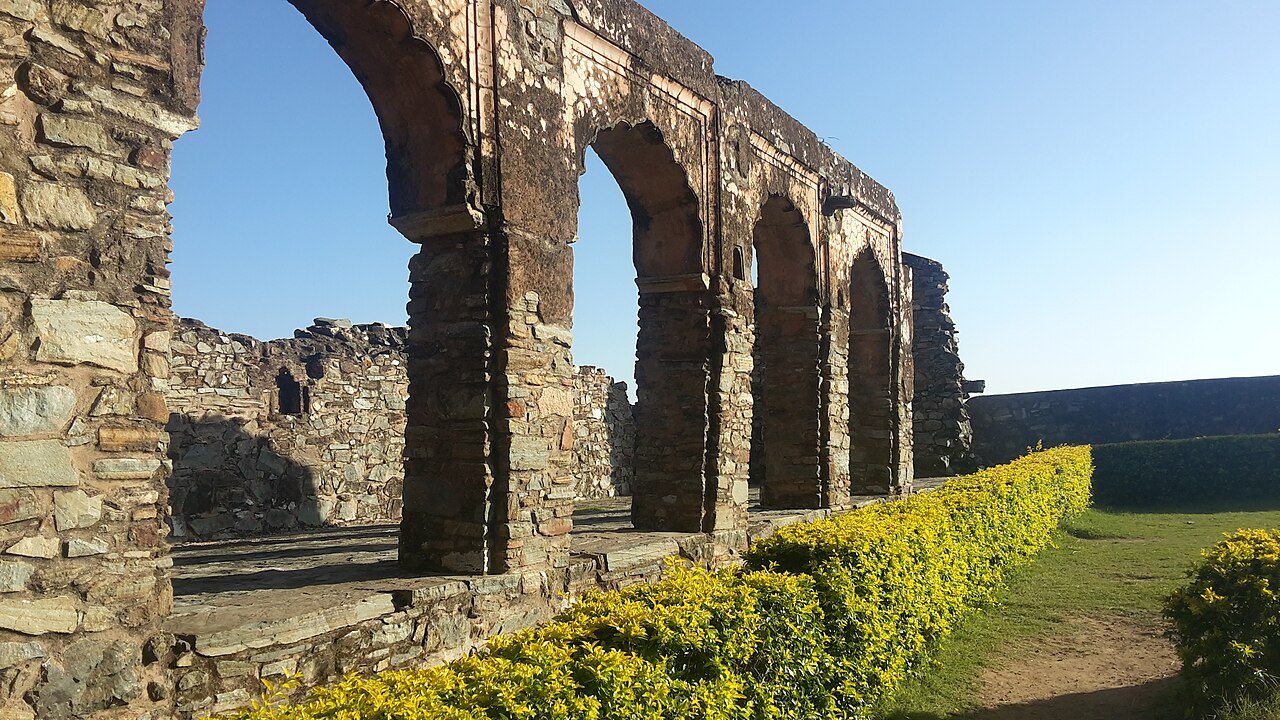
Kumbhalgarh sits high on the Aravalli range, about 1,100 m above sea level, and its fame rests on the wall around it. The perimeter is usually given as about 36 km (Rajasthan Tourism says 38 km), which is why it is nicknamed the “Great Wall of India”. An inscription dated 1460 records the fort as commissioned by Rana Kumbha in 1448, with the architect Mandan named as its chief designer. Rana Kumbha is said to have built 32 of Mewar’s 84 forts, and Kumbhalgarh is the largest of them.
Its defences were tested more than once. Gujarat sultans attacked in 1457, 1458–59 and 1467 and failed, and the fort was captured only in 1578, when Akbar’s general Shahbaz Khan took it after a siege that began in October 1577. Rajasthan Tourism says the defenders gave way because drinking water ran short. Maharana Pratap recaptured the fort in 1583, and local tradition names it as his birthplace.
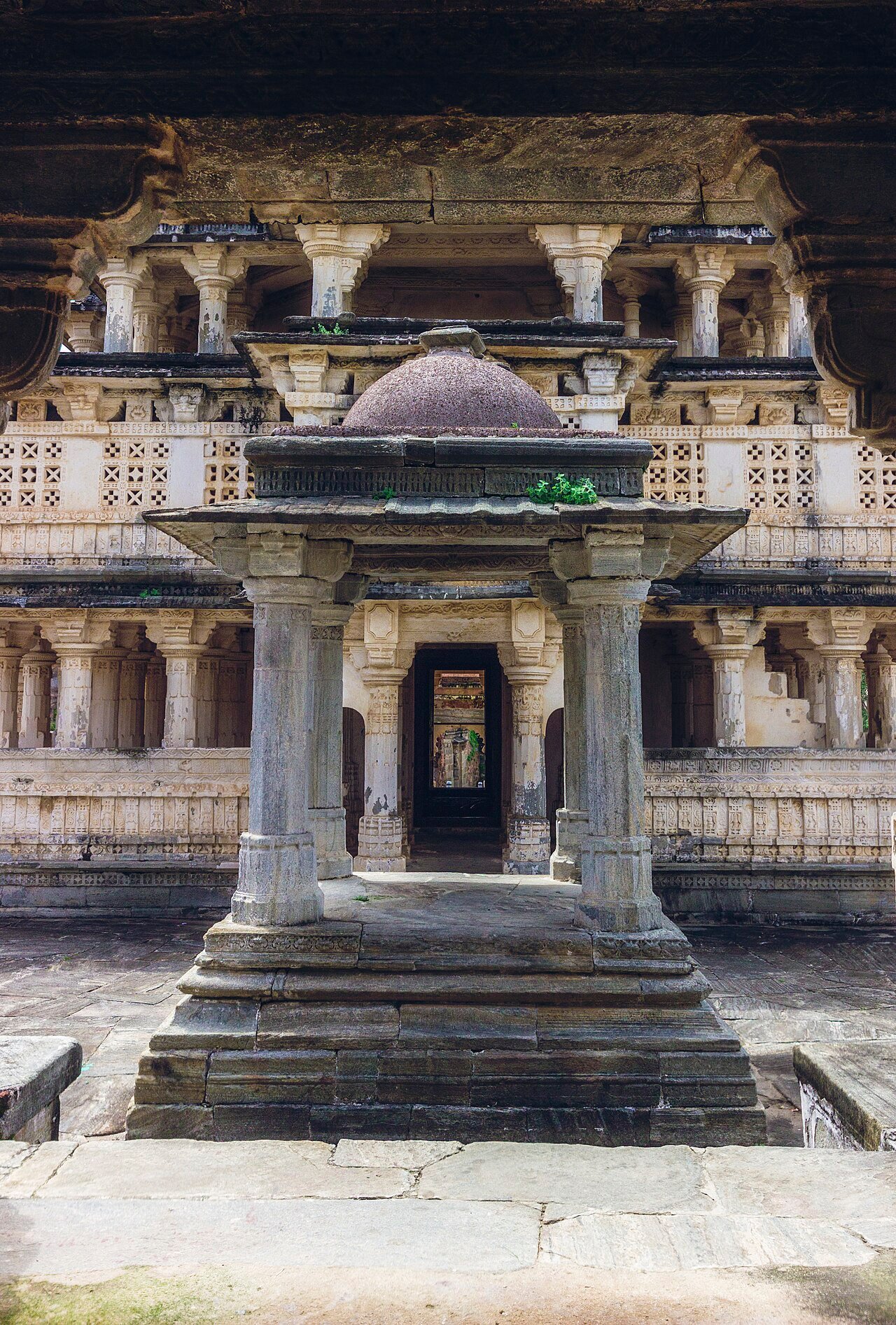
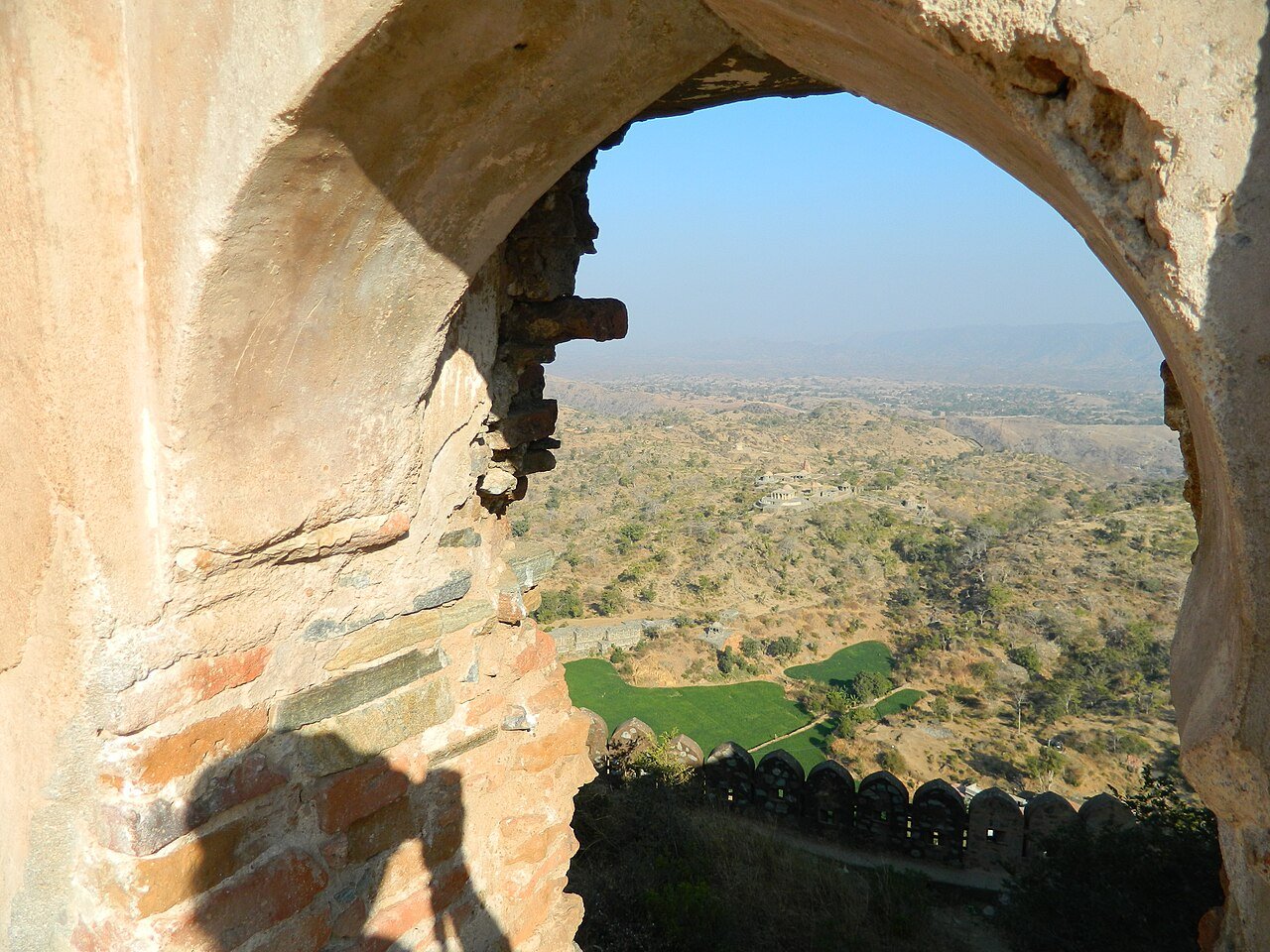
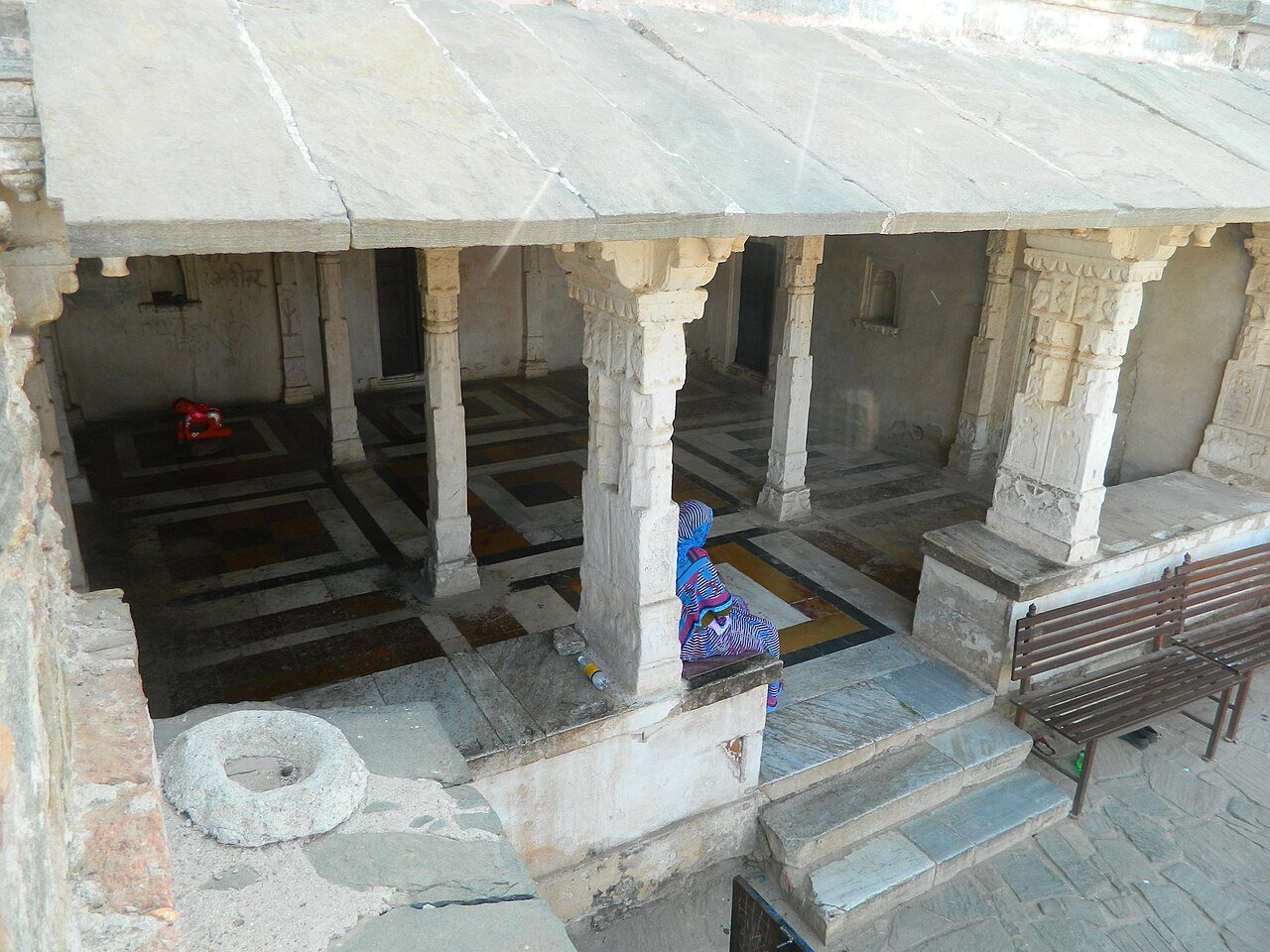
Inside the wall are more than 360 Jain and Hindu temples, according to Wikipedia, along with gardens, step paths and the Badal Mahal, a palace on the highest point with views across the hills. The climb is steady rather than steep, and the walk along the ramparts is the main attraction. Many visitors pair Kumbhalgarh with Ranakpur and the nearby wildlife sanctuary, and it makes a good day trip from Udaipur.
Swipe or scroll for more photos →
3. Jaisalmer Fort: a living fort in the Thar Desert
At a glance: Jaisalmer, Rajasthan · founded 1156, traditionally by Rawal Jaisal · on Trikuta Hill · UNESCO World Heritage Site since 2013.
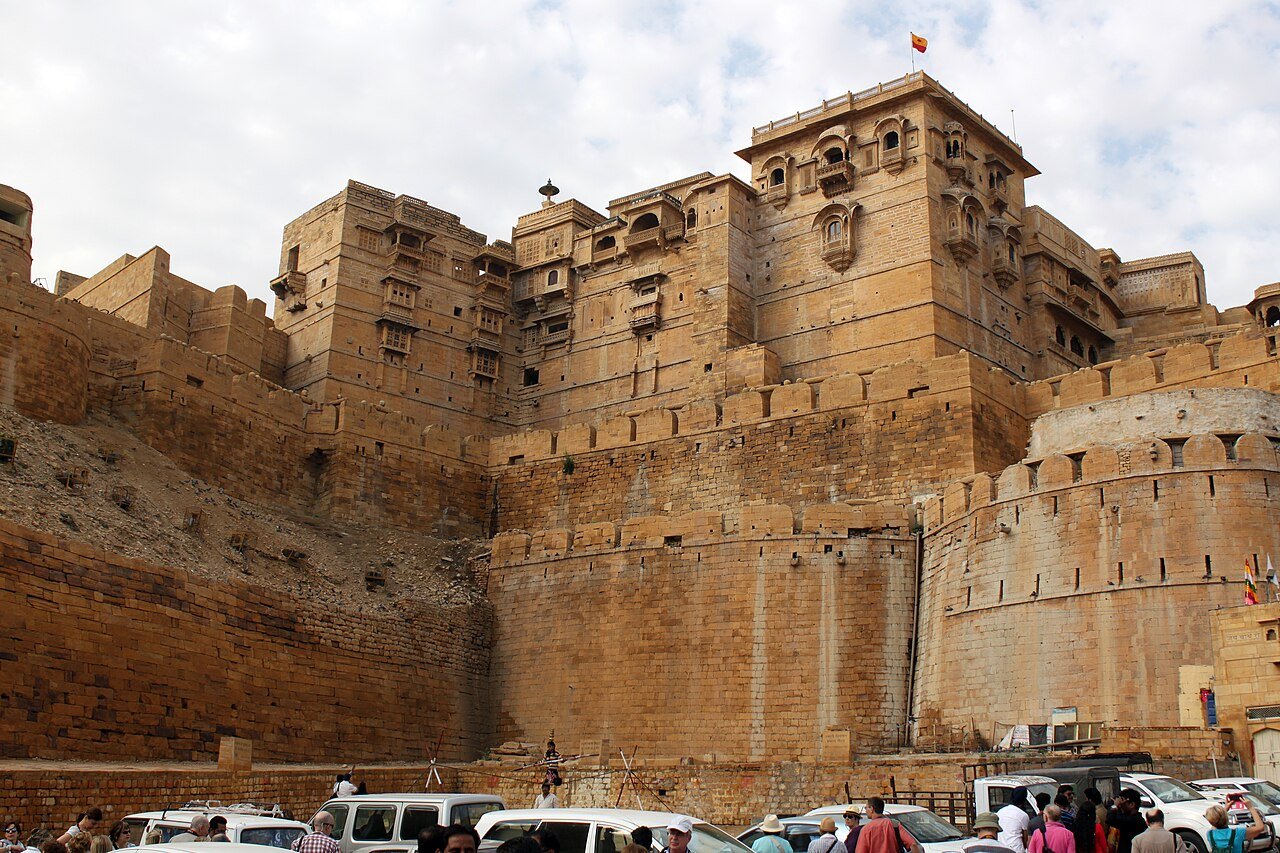
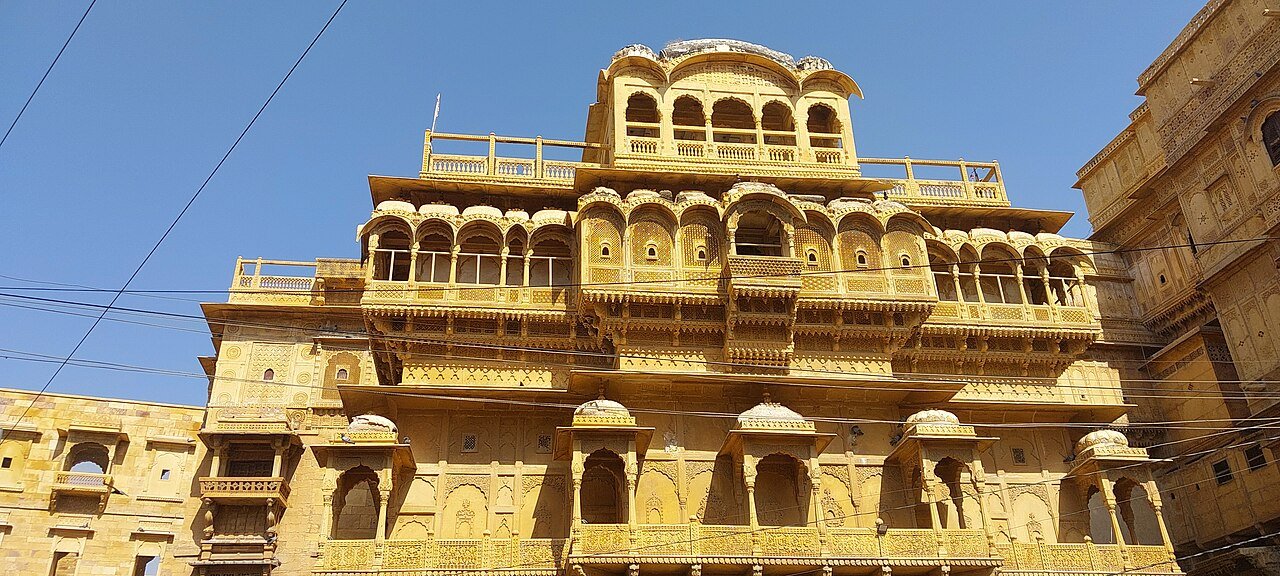
Jaisalmer Fort is called Sonar Kila, the Golden Fort, because its yellow sandstone glows gold at sunset against the desert. Tradition credits Rawal Jaisal, a Bhati Rajput, with founding it in 1156 on Trikuta Hill, though that date is presented as legend rather than record. The outer ring at the base stands about 4.6 m high, and the upper defensive perimeter is roughly 4 km around, strengthened by 99 bastions, 92 of them built or rebuilt between 1633 and 1647. Visitors pass through four massive gateways on the main approach.
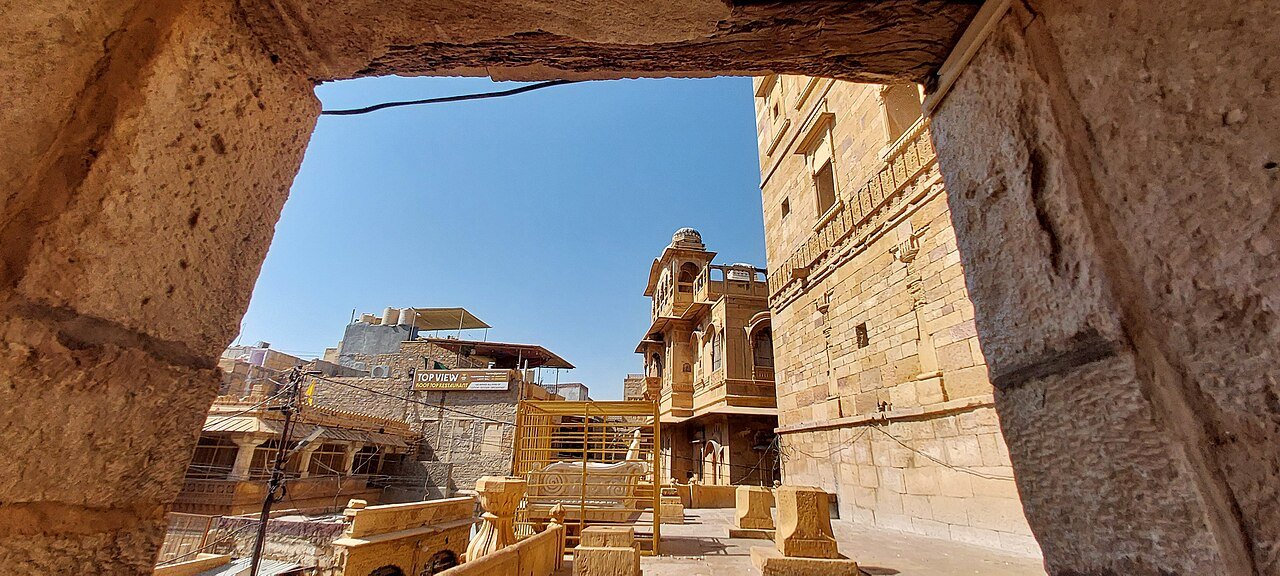
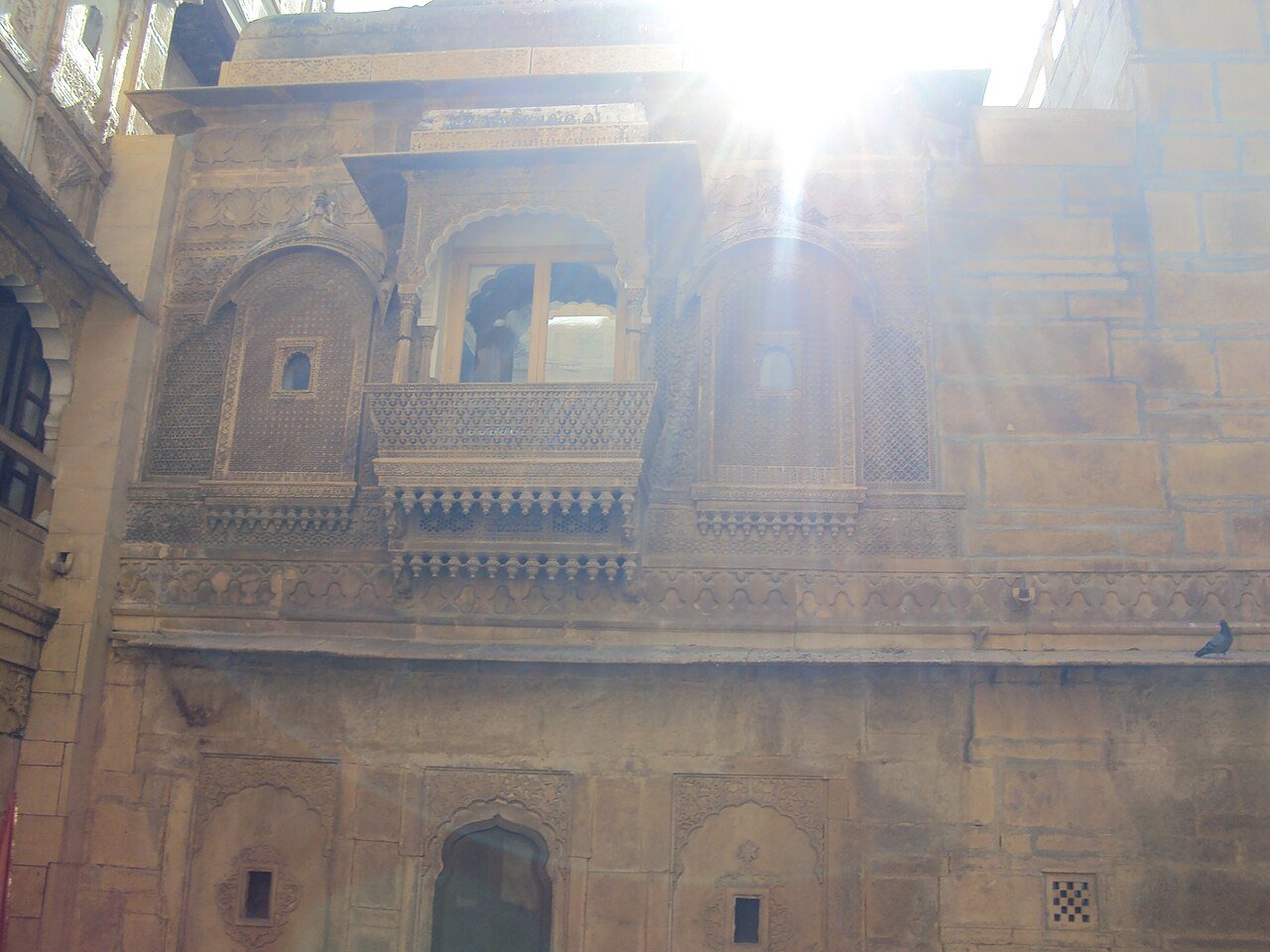
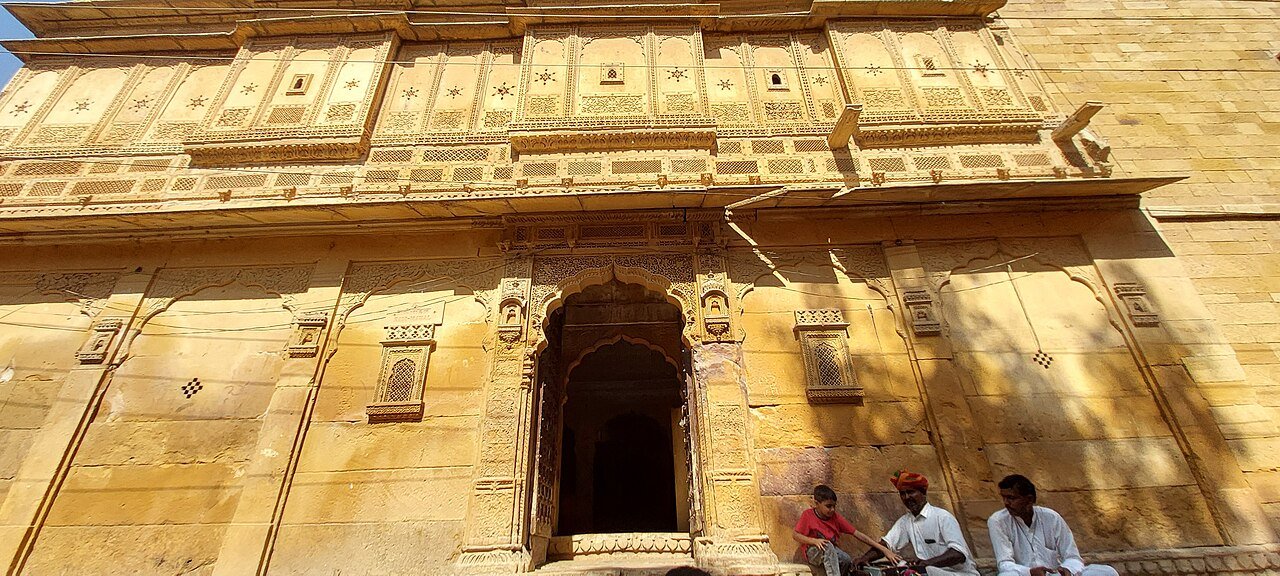
What sets Jaisalmer apart is that people still live here. Shops, guesthouses, havelis and homes line narrow lanes inside the walls, and estimates of the resident population run to around 4,000 people. The Raj Mahal, the former residence of the Maharawal, stands among them, and the sandstone havelis show carved balconies, jharokhas and doorways cut with astonishing detail.
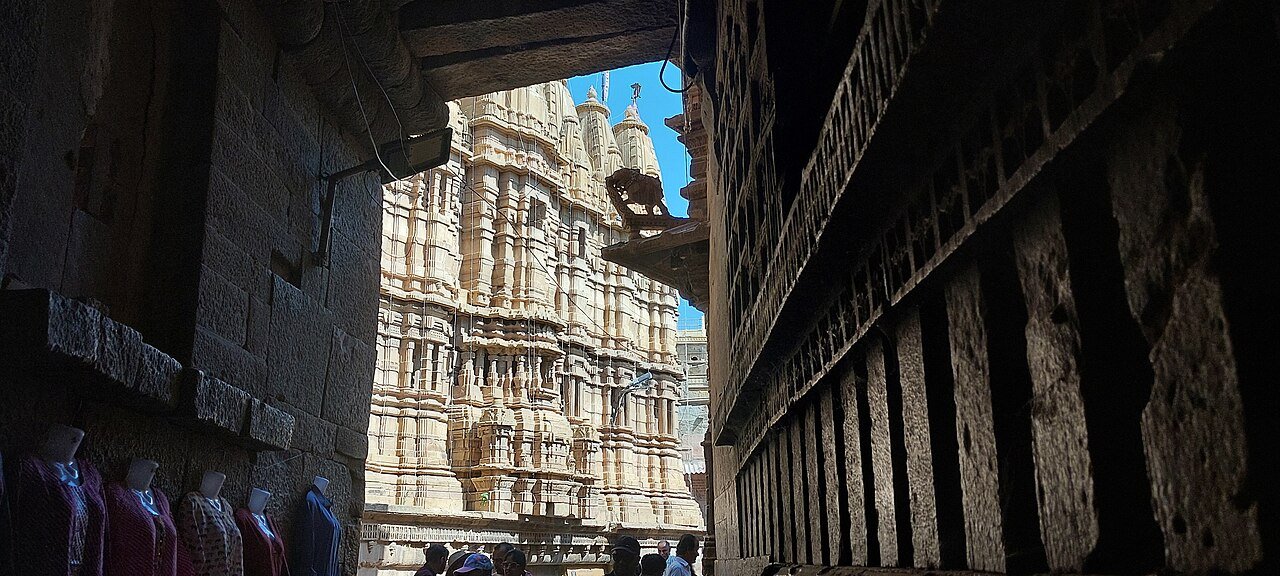
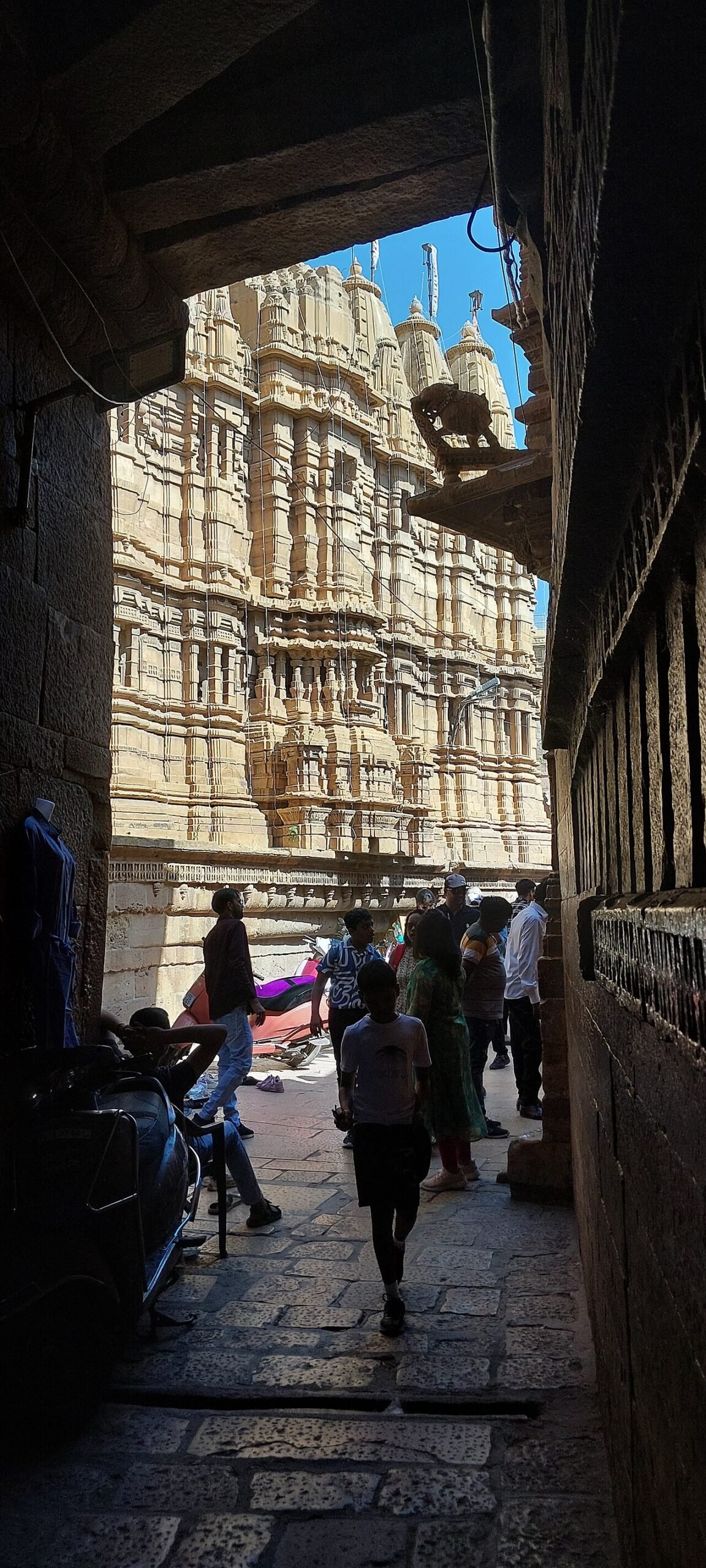
The fort also holds seven Jain temples built of yellow sandstone between the 12th and 16th centuries; the Sambhavanatha temple is said to hold more than 600 idols. The same living quality is also a risk. The fort stands on weak sedimentary rock, water seepage from daily use has damaged foundations, and parts of the Rani Ka Mahal and outer walls have collapsed. Staying in the fort is atmospheric, but choosing a guesthouse that manages its water and waste carefully helps.
Swipe or scroll for more photos →
4. Ranthambore Fort: a hill fort inside a tiger reserve
At a glance: Sawai Madhopur, Rajasthan · about 700 ft above the plain · within Ranthambore National Park · UNESCO World Heritage Site since 2013.
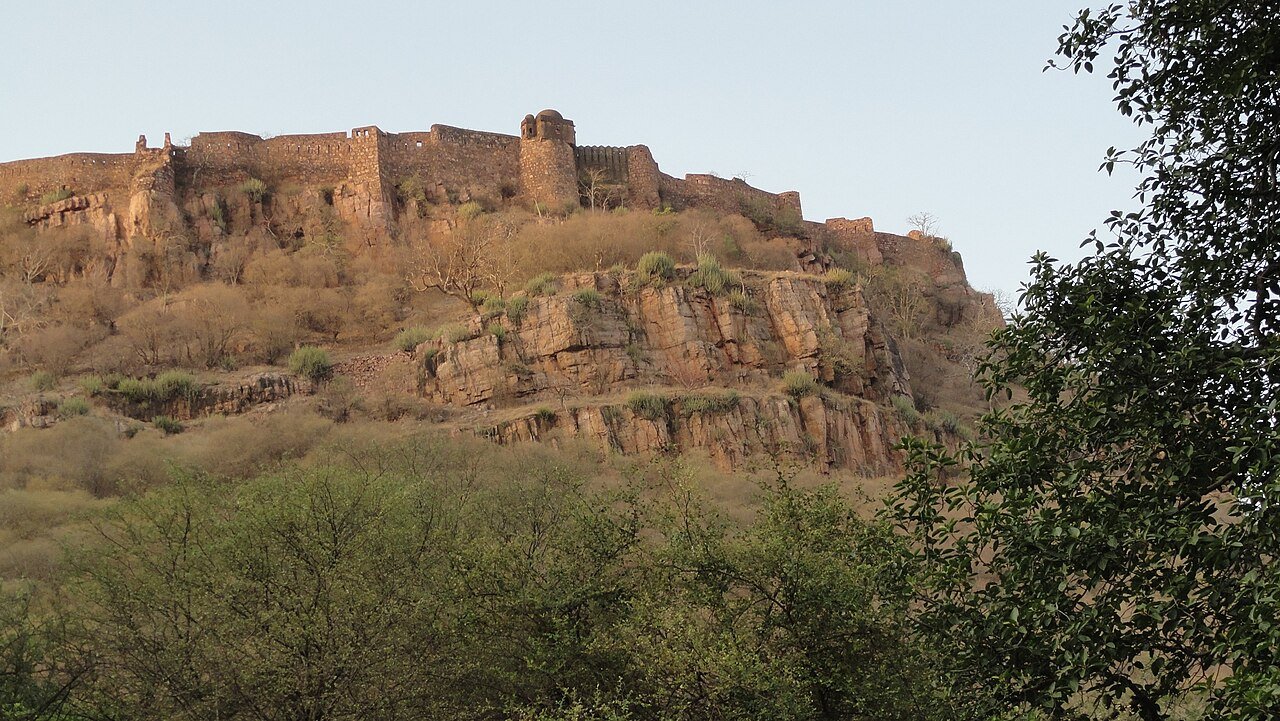
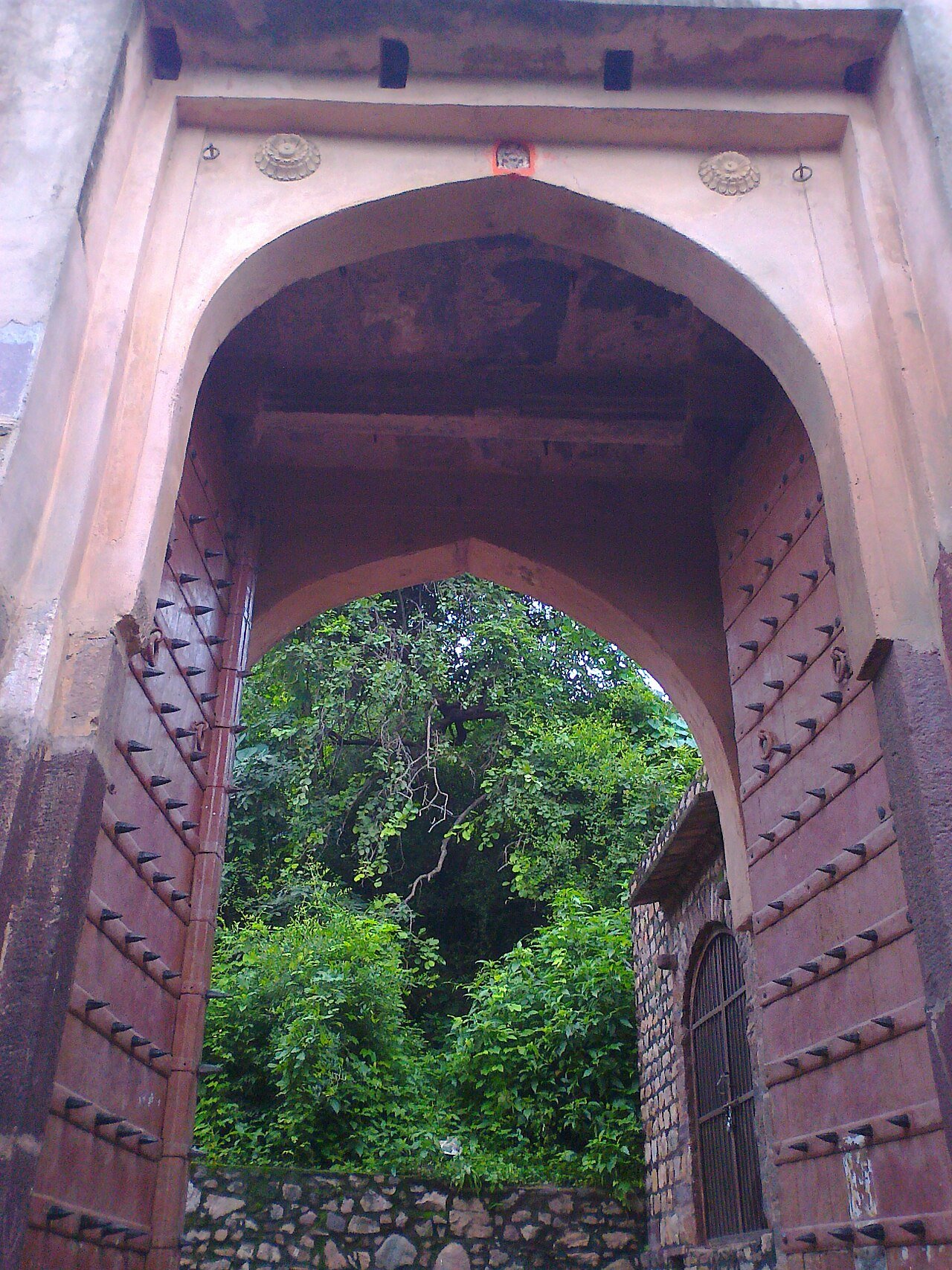
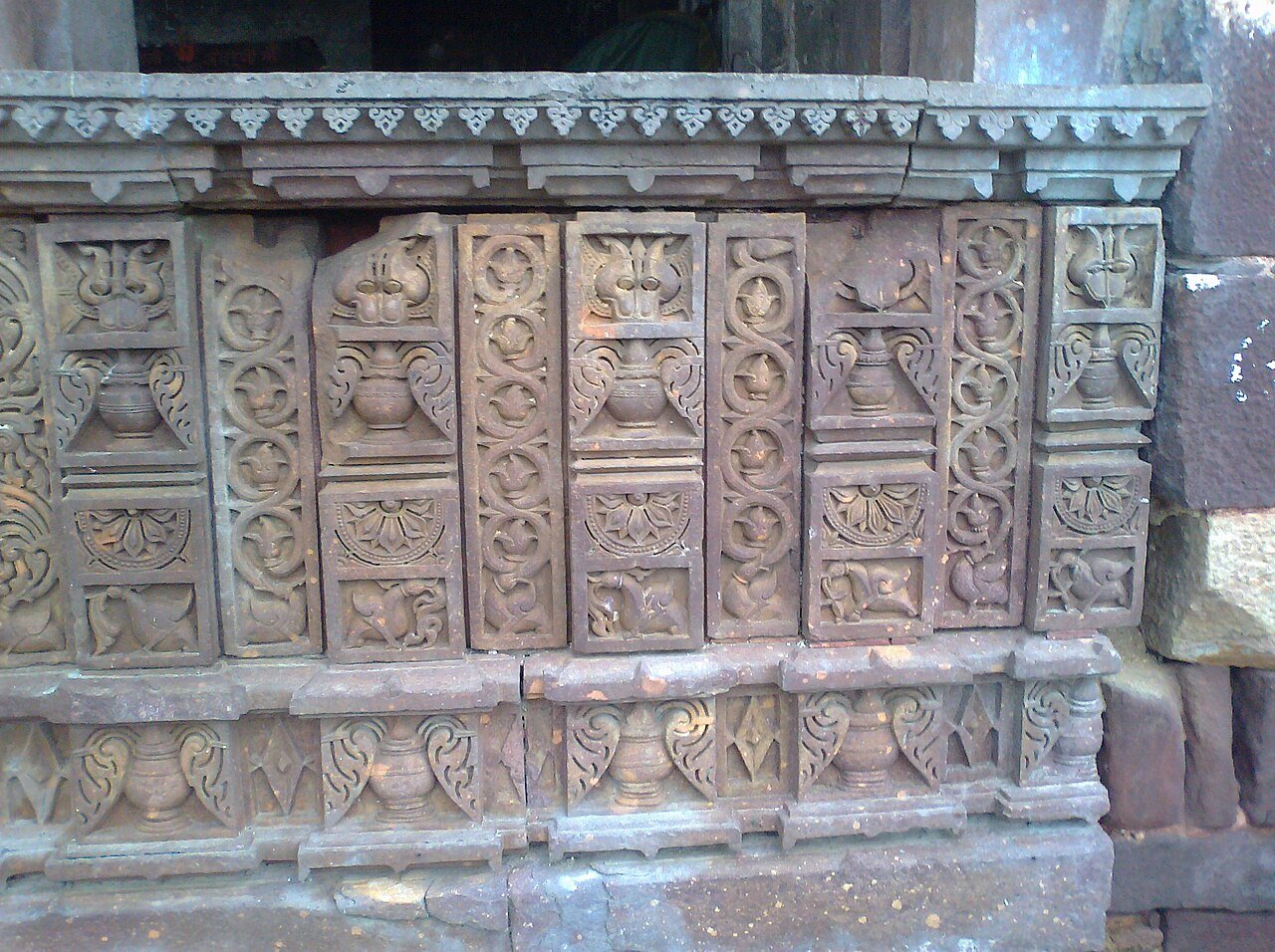
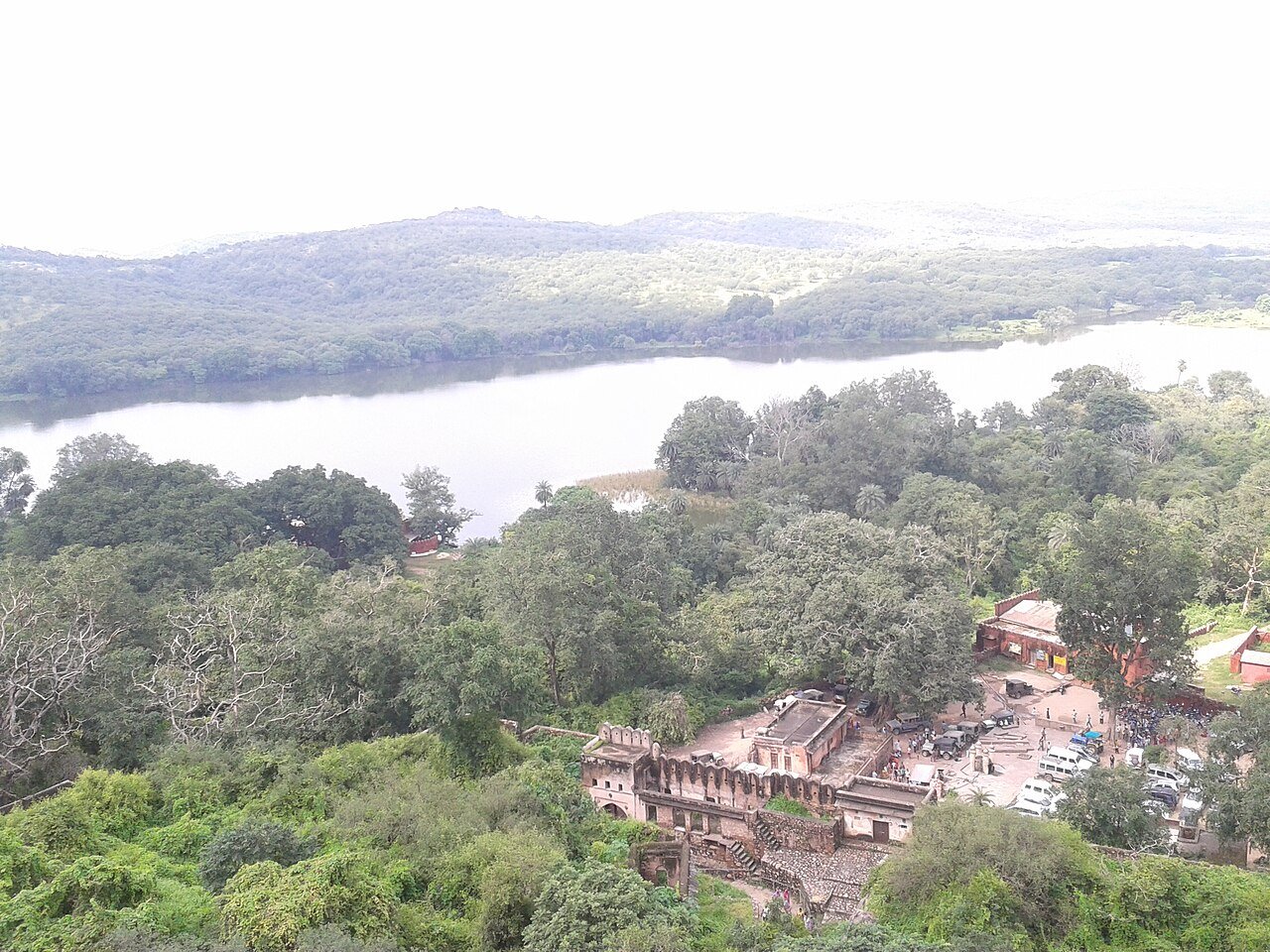
Ranthambore Fort rises roughly 700 ft above the surrounding plain, and it lies inside Ranthambore National Park, formerly the hunting grounds of the Maharajas of Jaipur. UNESCO lists it among the Hill Forts of Rajasthan as an exemplar of a forest hill fort. Its origins are debated: one account credits Maharaja Jayanta in the fifth century, another says the Chauhan ruler Sapaldaksha laid the foundation in the mid-10th century. Either way it was an old stronghold by the time Hammiradeva ruled it.
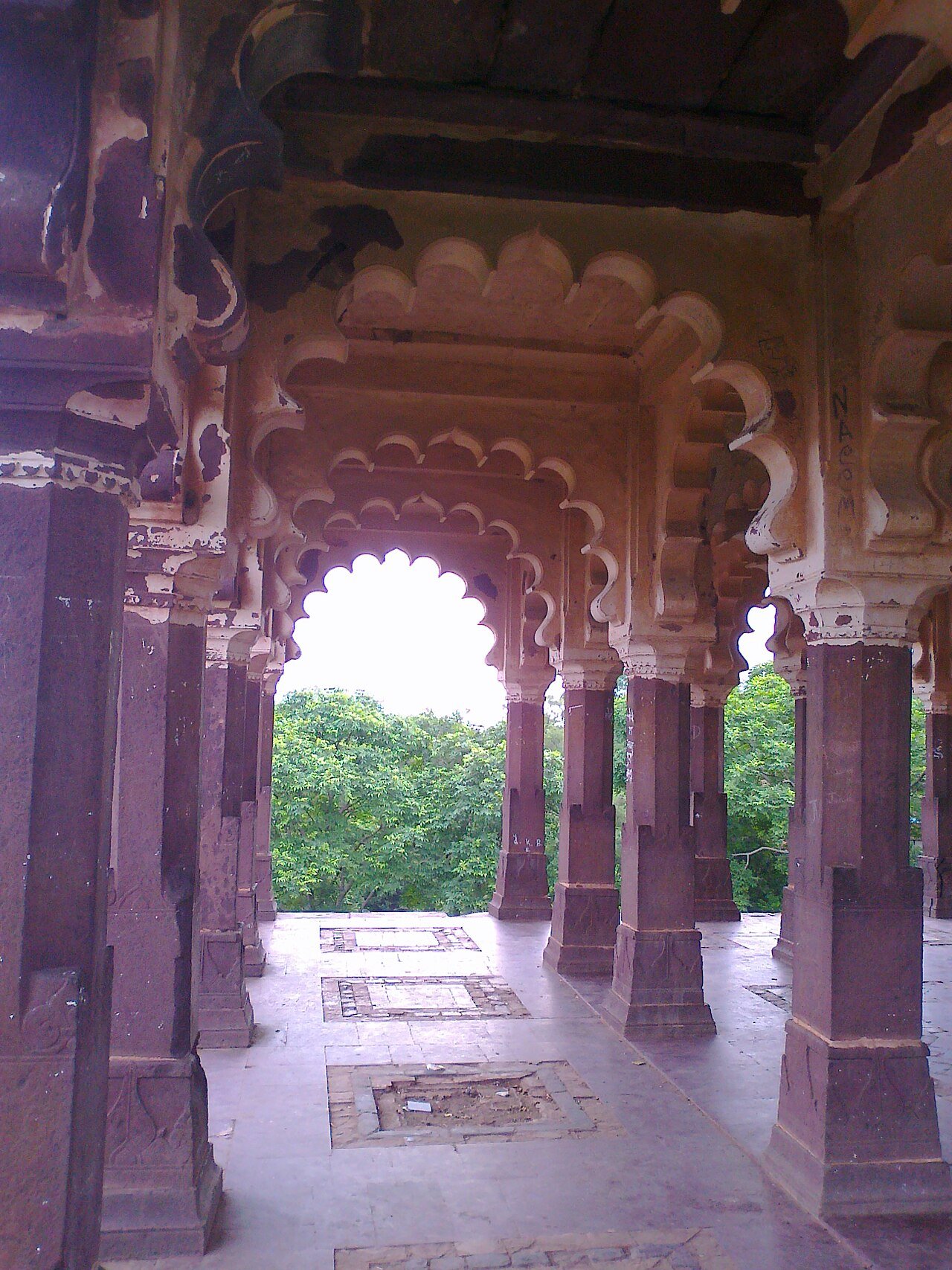
Its best-known story is the siege of 1301, when Alauddin Khalji attacked after Hammiradeva refused to hand over a rebel general, and conquered the fort. Akbar took it from the Hadas in 1568. The approach climbs through a series of gates, among them the Naulakha Gate, and the stone ramparts follow the contours of the hill. Inside you will find pavilions such as the Battis Khambha Chhatri (named for its 32 pillars), step wells, tanks and the Padam Talao lake.
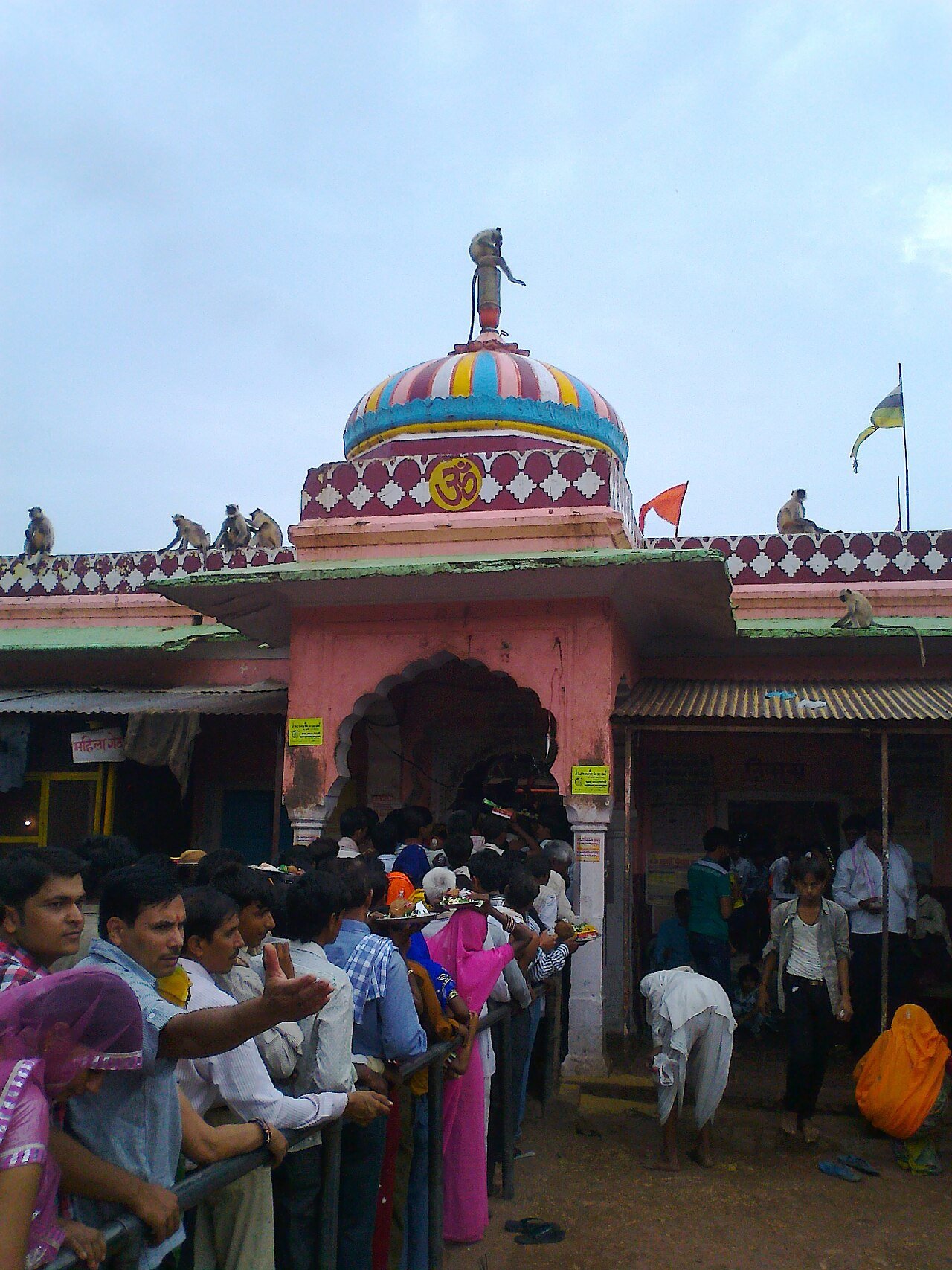
The fort is also a working place of worship. The Ganesh temple, one of three Hindu temples inside (with Shiva and Ramlalaji shrines), dates from the 12th–13th centuries, is built of red Karauli stone, and draws large crowds, especially on Wednesdays. Because the fort is in a Project Tiger area, visits are controlled and the park’s rules apply, so check permits and opening hours before you go.
Swipe or scroll for more photos →
5. Mehrangarh Fort: palaces on a sheer rock above Jodhpur
At a glance: Jodhpur, Rajasthan · founded 1459 by Rao Jodha · walls reported up to about 125 ft · not UNESCO-listed.
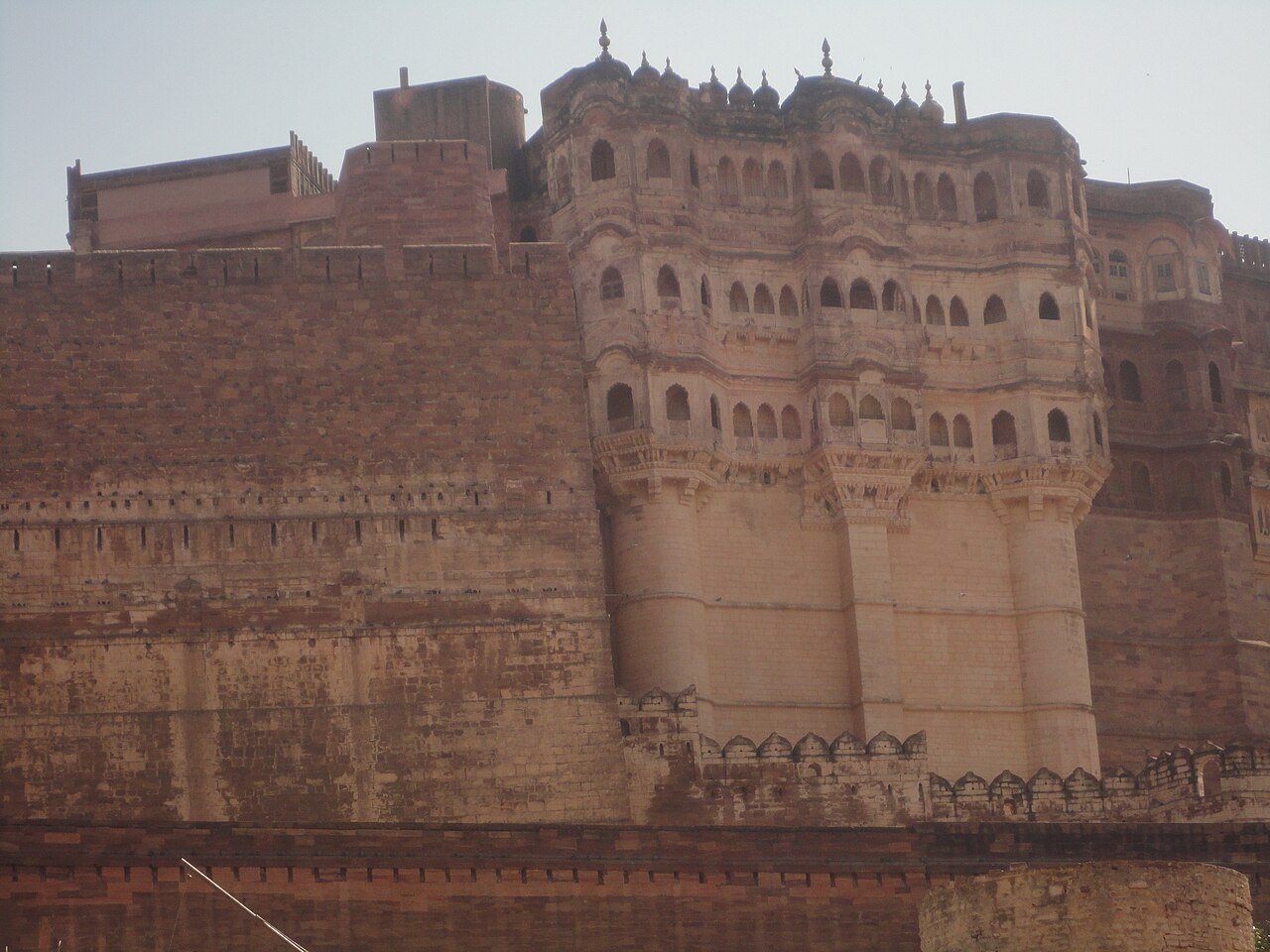
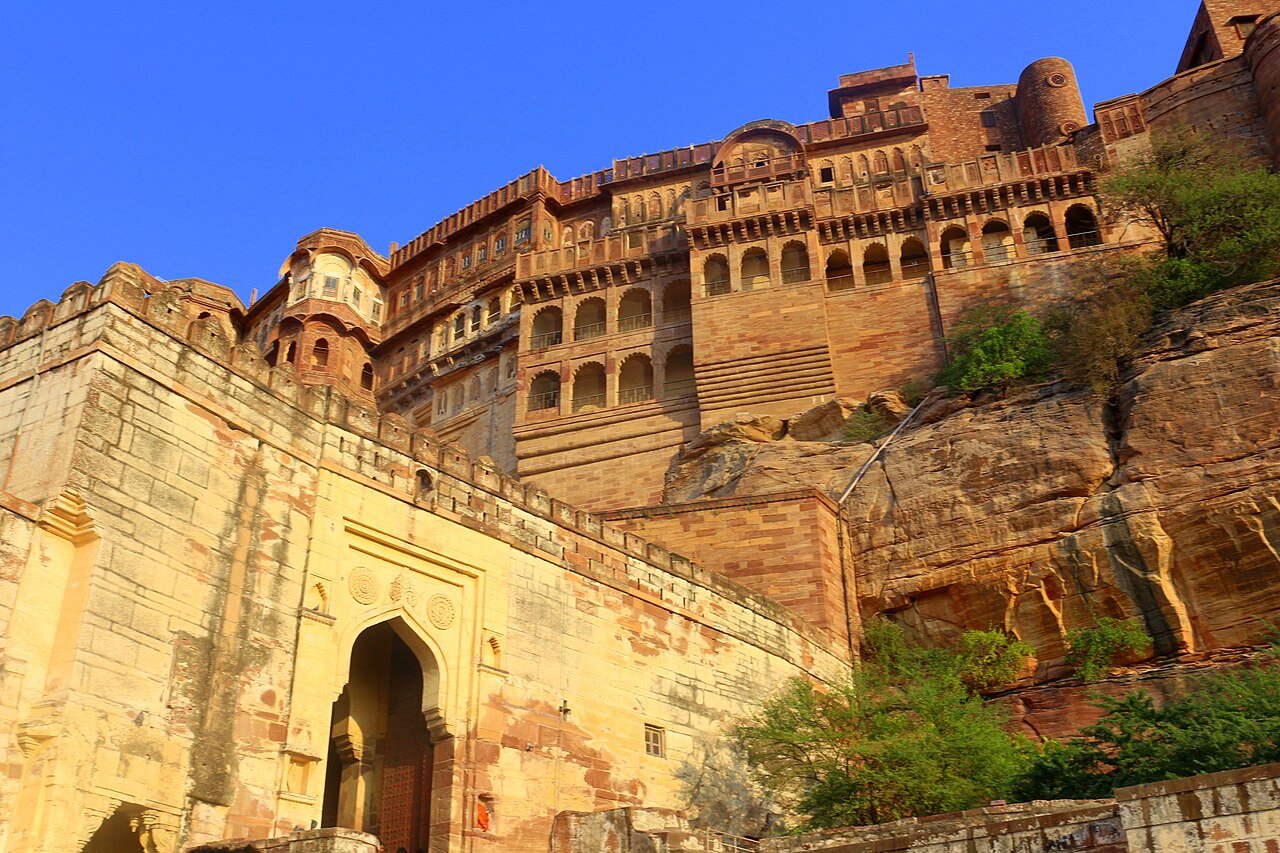
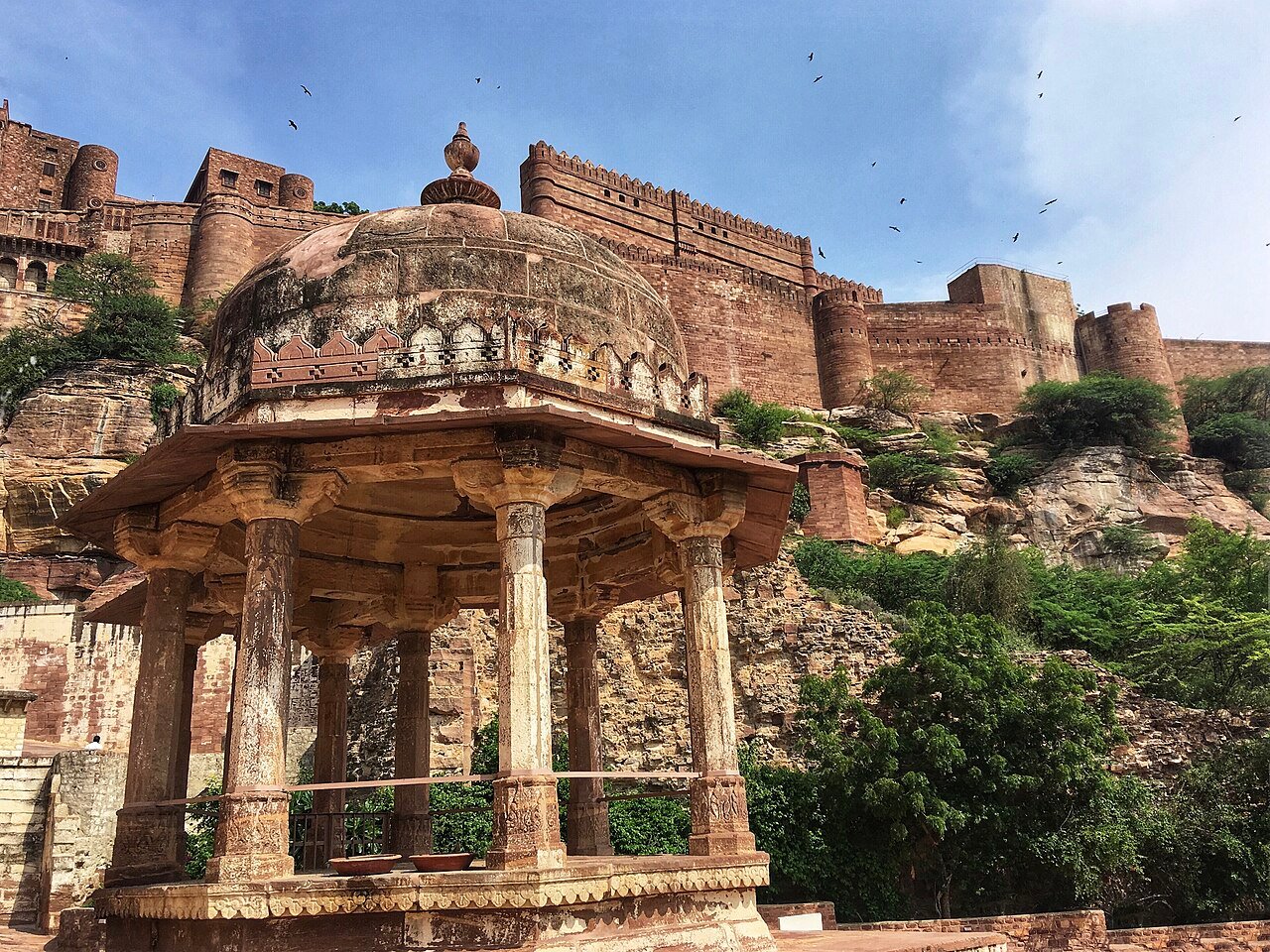
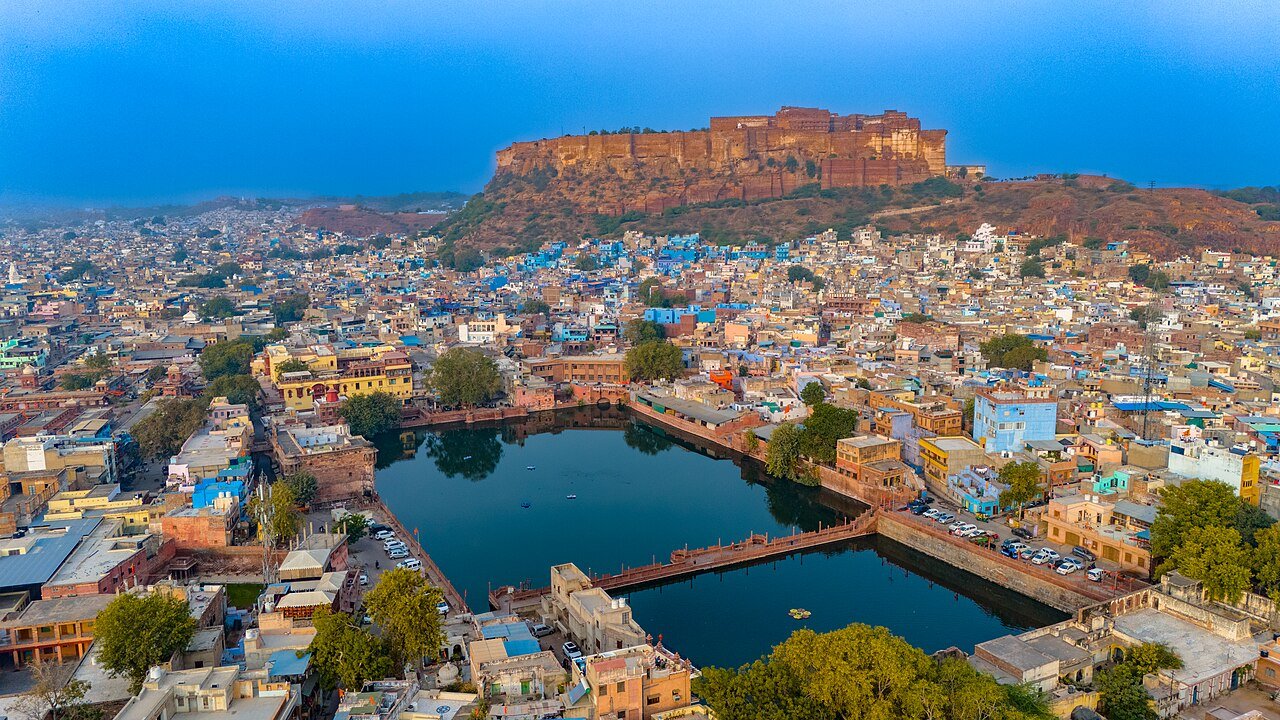
Mehrangarh stands on a rocky hill above Jodhpur, and from the old city it looks like part of the cliff itself. Rao Jodha founded it in 1459 when he moved his capital from Mandore, and the walls are reported to rise up to about 125 feet. Many travel sites wrongly call Mehrangarh a UNESCO site, but it is not part of the Hill Forts of Rajasthan listing. It is, however, one of the best-preserved and best-presented forts in India.
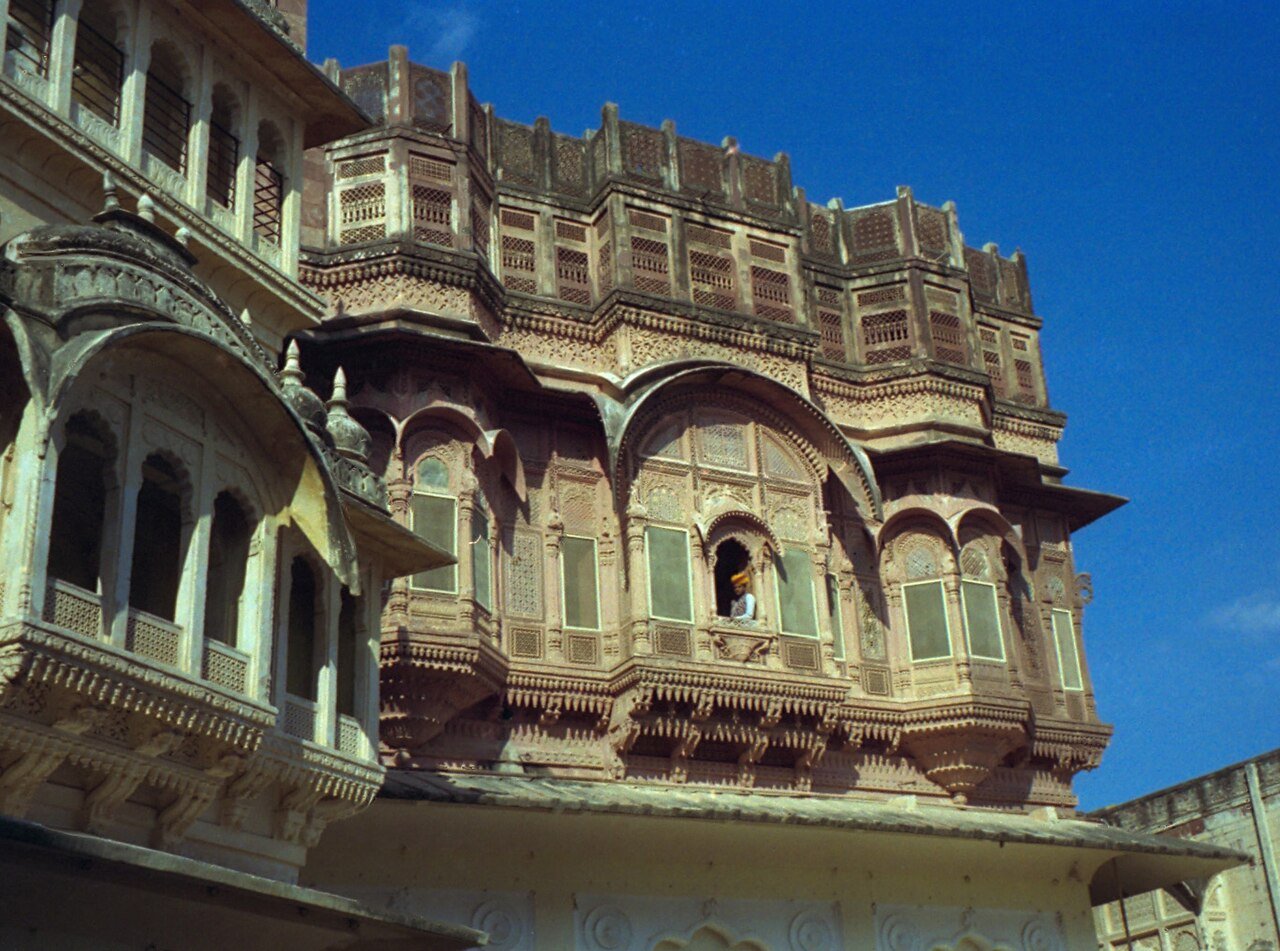
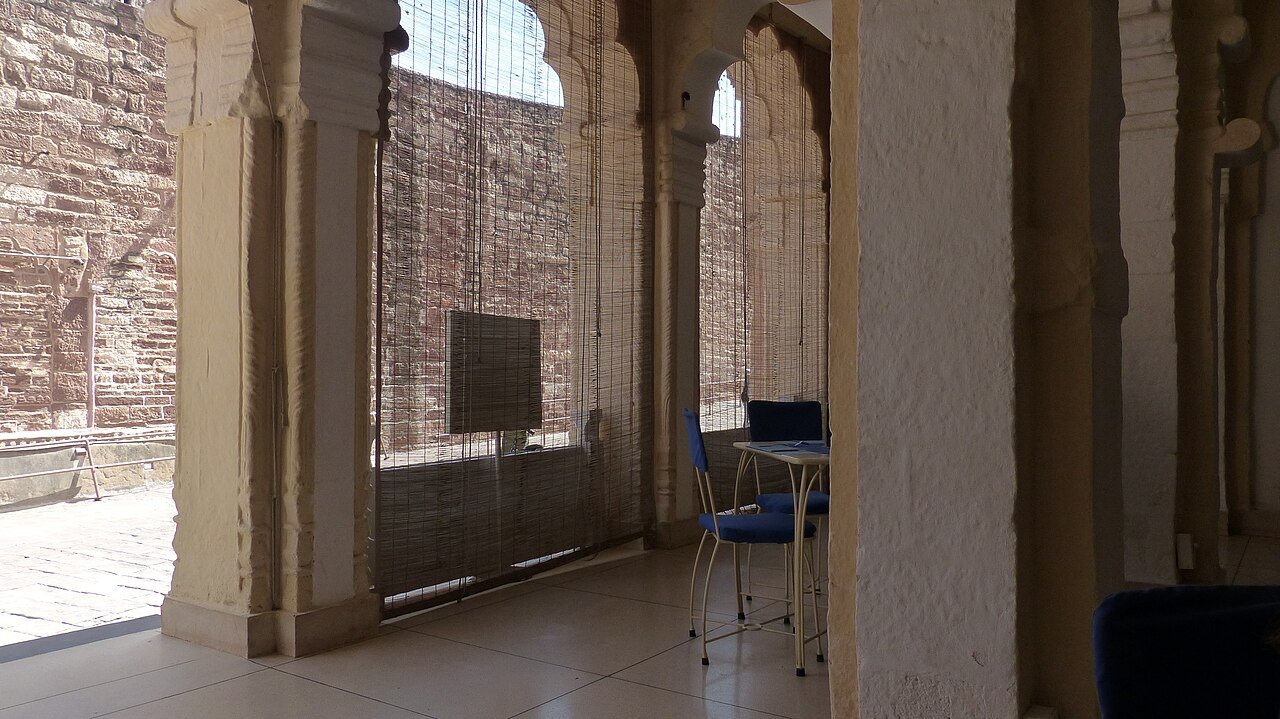
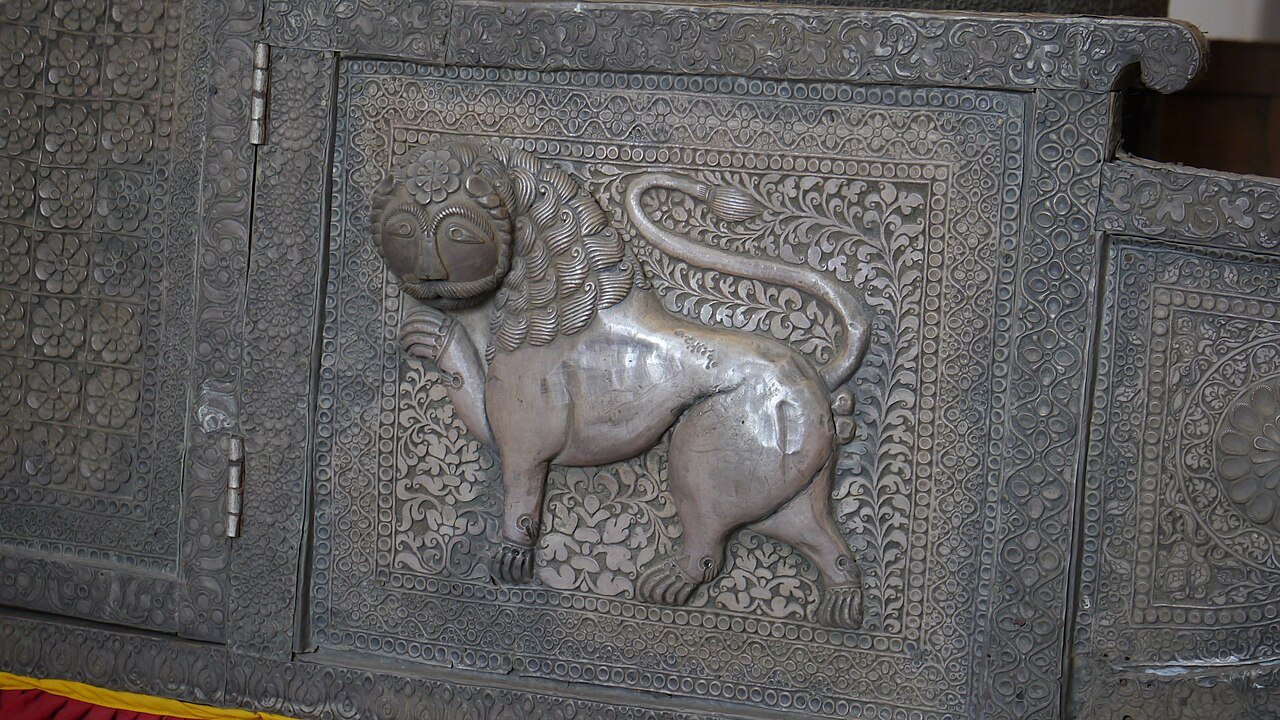
Inside, the fort works as a museum of Rajput court life. Courtyards lead to ornate palace rooms such as the Moti Mahal, Sheesh Mahal and Phool Mahal, with painted ceilings, mirror work and gilded detail, and the galleries display howdahs, weapons, palanquins and royal costumes. The sandstone facades are covered in fine jharokhas and lattice screens, and an audio guide is usually available at the ticket counter.
From the ramparts the view is the point: the blue-painted houses of the old city spread out below. For the city’s other great landmark, see our guide to India’s royal palaces (Umaid Bhawan Palace is in Jodhpur). Go early or late in the day to avoid the heat, and allow two to three hours.
Swipe or scroll for more photos →
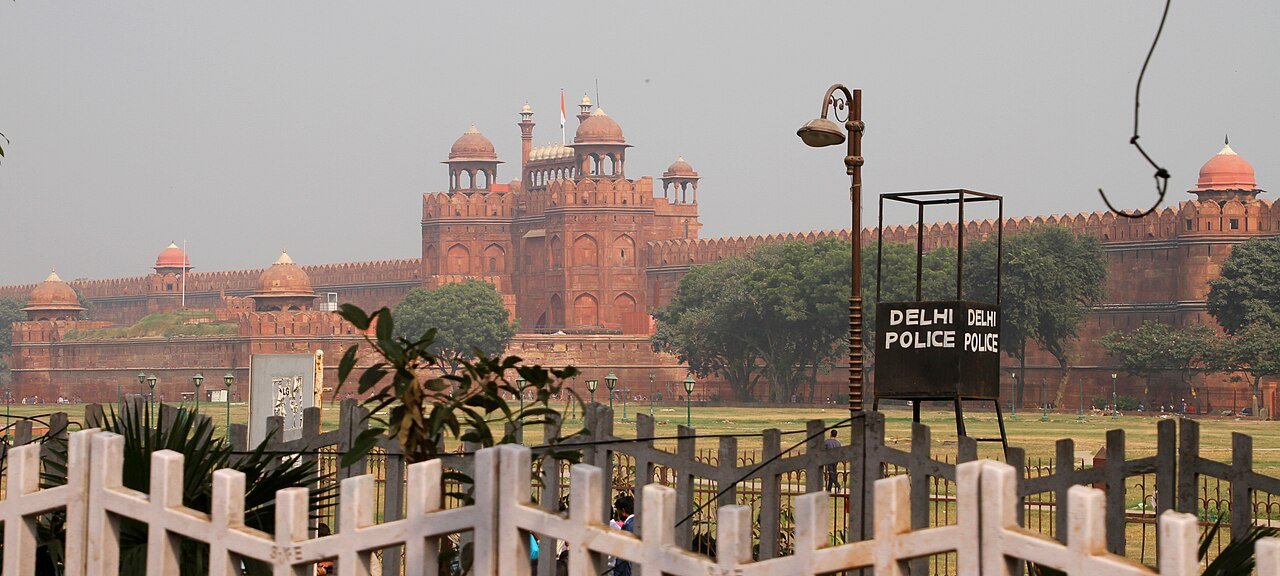
6. Red Fort, Delhi: the Mughal capital in red sandstone
At a glance: Delhi · built 1638–1648 for Shah Jahan · about 254 acres · UNESCO World Heritage Site since 2007 (Red Fort Complex).
Shah Jahan began the Red Fort after moving the Mughal capital from Agra to Delhi, and work ran from 1638 to 1648; Wikipedia gives its completion as 6 April 1648. The architect is named as Ustad Ahmad Lahori, who is also credited with the Taj Mahal. The fort covers about 254 acres inside 2.41 km of walls that stand about 18 m high on the river side and 33 m high on the city side. UNESCO inscribed it in 2007 as the Red Fort Complex, together with the older Salimgarh Fort.
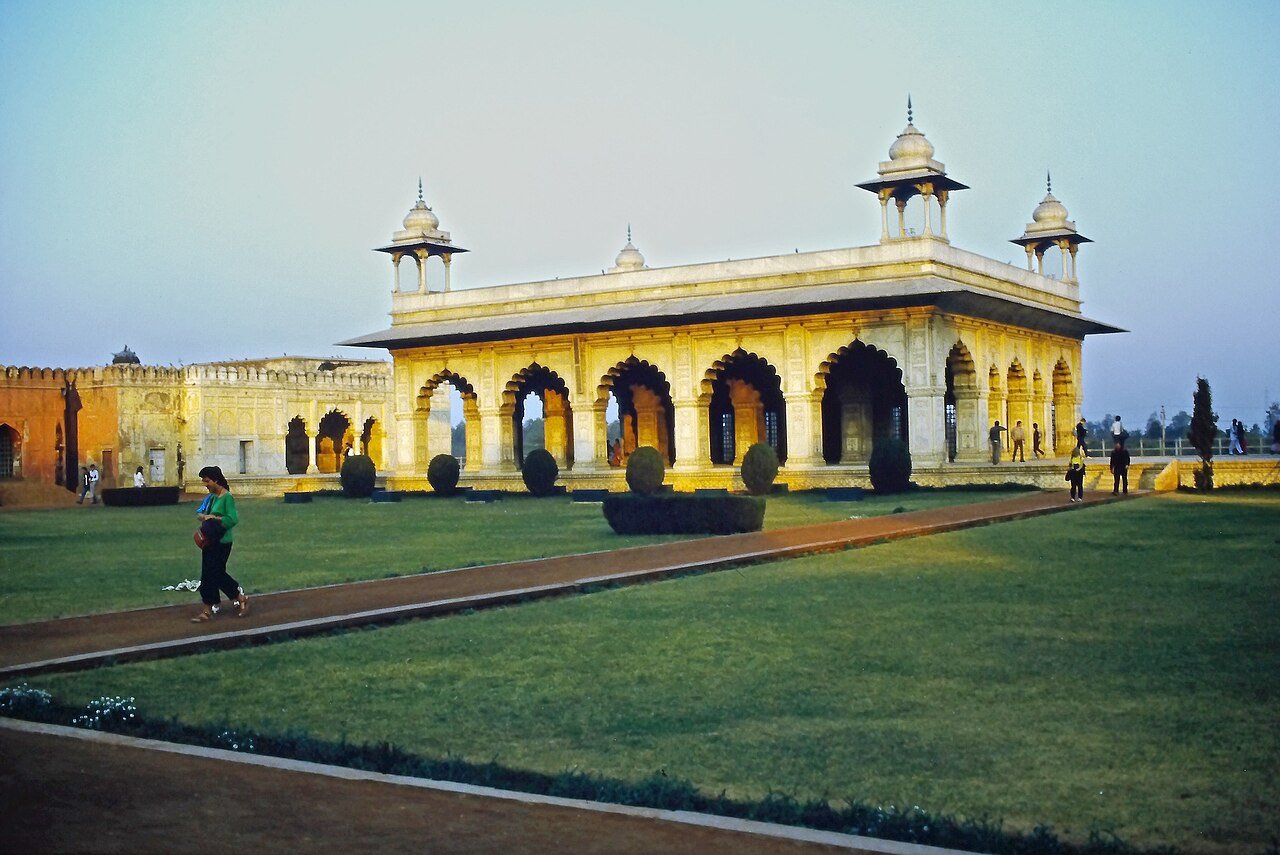
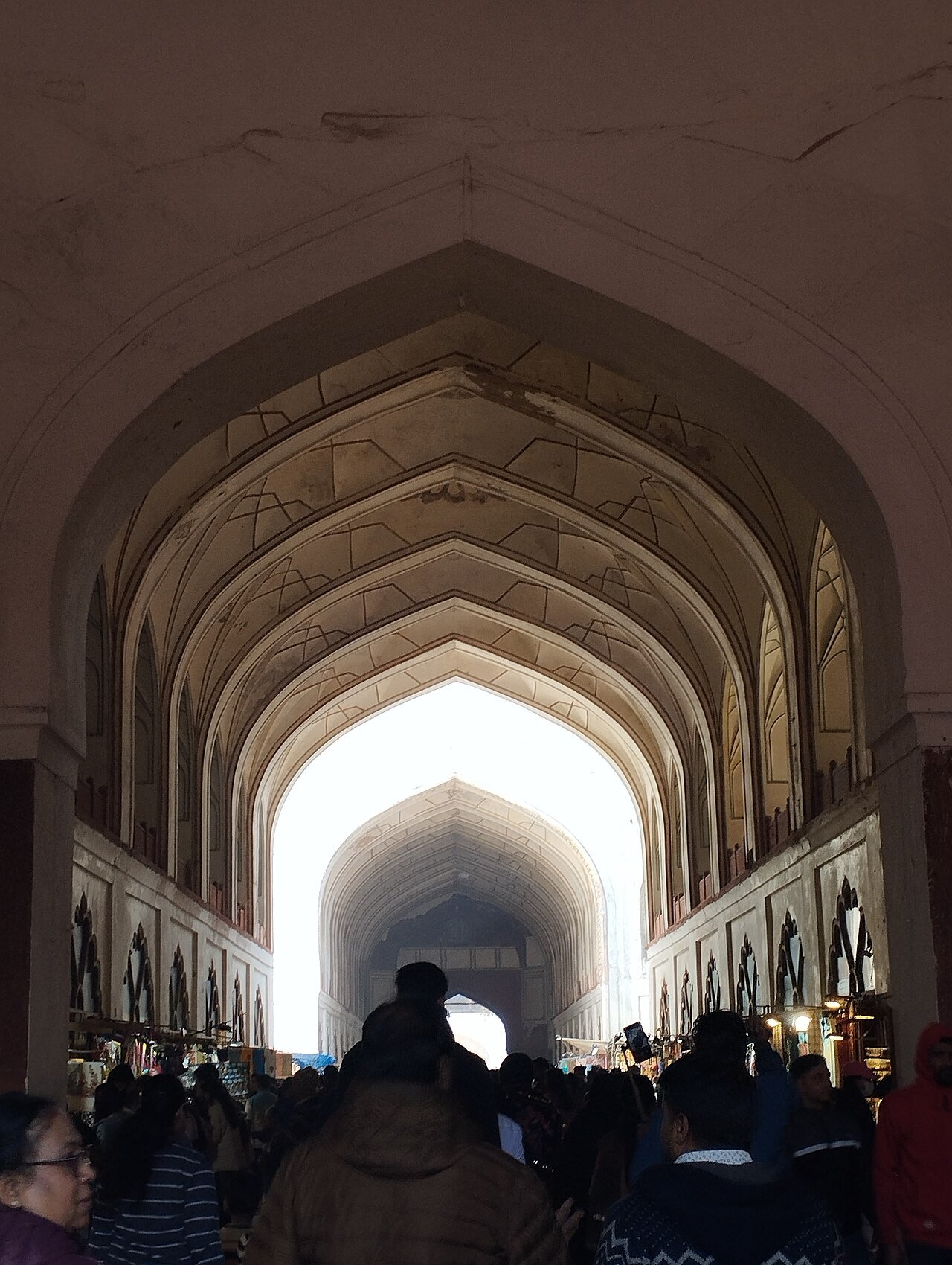
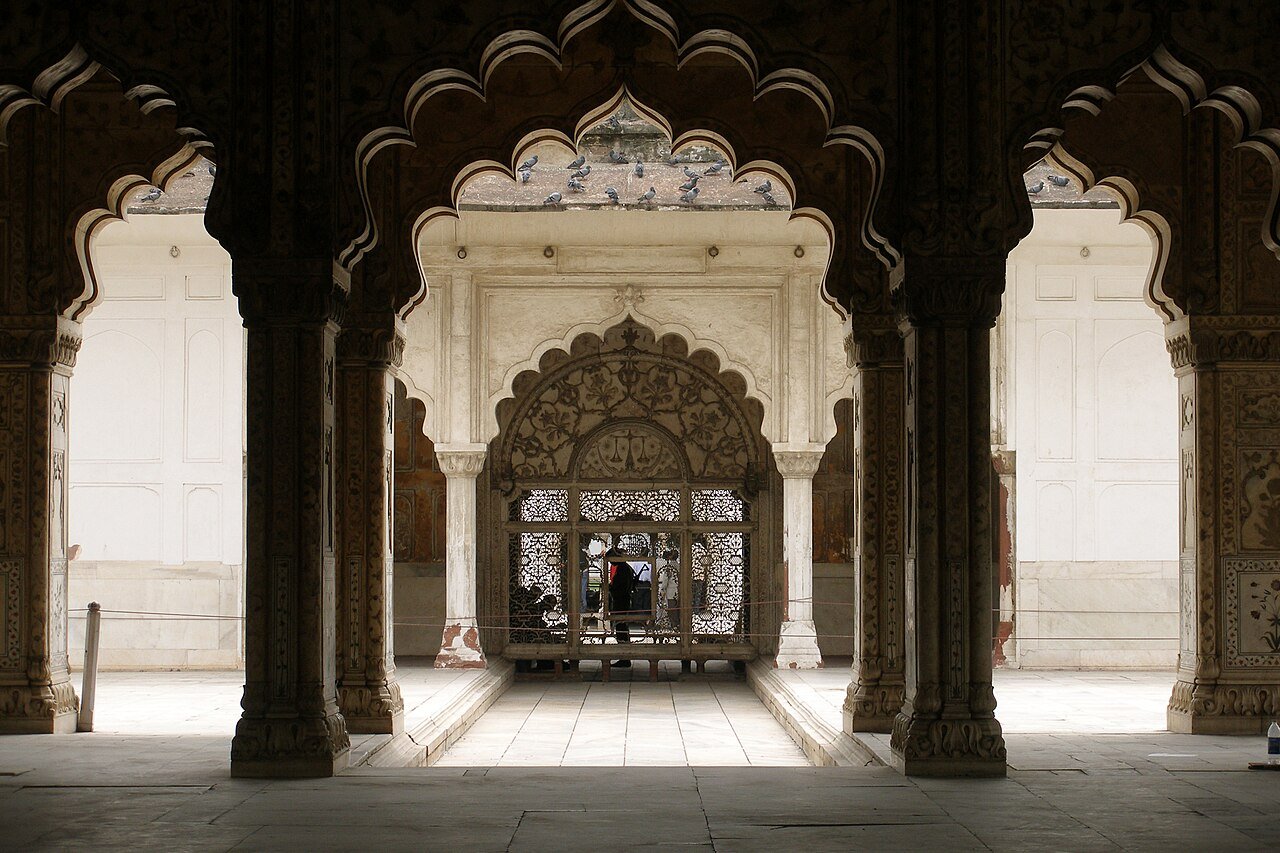
You enter by the Lahori Gate, which opens onto Chhatta Chowk, a covered, arcaded bazaar where silks and jewellery were once sold to the imperial household. Beyond it are the Naubat Khana (the drum house), the Diwan-i-Aam, the public audience hall, and the white marble Diwan-i-Khas, where the emperor met nobles. Further in, the Rang Mahal, the “Palace of Colours”, has a central marble pool, and the Moti Masjid, a small marble mosque, was added by Aurangzeb in 1659.
The fort also marks turning points in modern history. Nadir Shah carried off the Peacock Throne in 1739, and after the uprising of 1857 the British demolished about 80 percent of the inner buildings and built barracks over the site. On 15 August 1947 Jawaharlal Nehru raised the Indian flag above the Lahori Gate, and the Prime Minister still addresses the nation from the ramparts every Independence Day. Museums inside include the Mumtaz Mahal Archaeological Museum.
Swipe or scroll for more photos →
7. Agra Fort: Akbar’s red sandstone fortress and Shah Jahan’s marble
At a glance: Agra, Uttar Pradesh · rebuilt 1565–1573 · about 94 acres · UNESCO World Heritage Site since 1983.
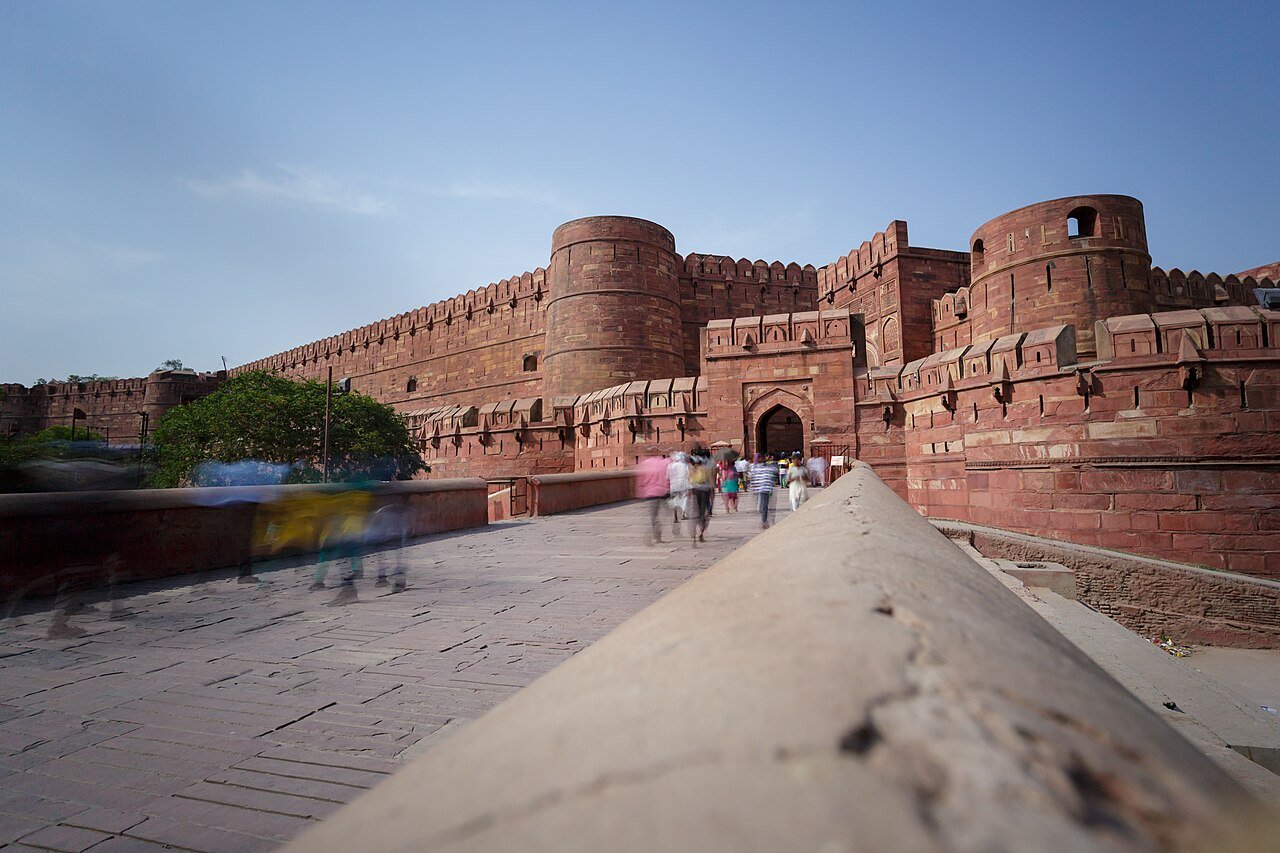
Agra Fort began as an older fortress; Sikandar Lodi moved his capital to Agra and built within it, and Akbar then had it rebuilt in red sandstone from 1565, finishing in 1573. The fort covers about 94 acres, with double ramparts, large round bastions and walls described as about 70 feet high. It stands about 2.5 km from the Taj Mahal, and it was one of India’s first four World Heritage Sites in 1983. See our Taj Mahal guide for the nearby monument.
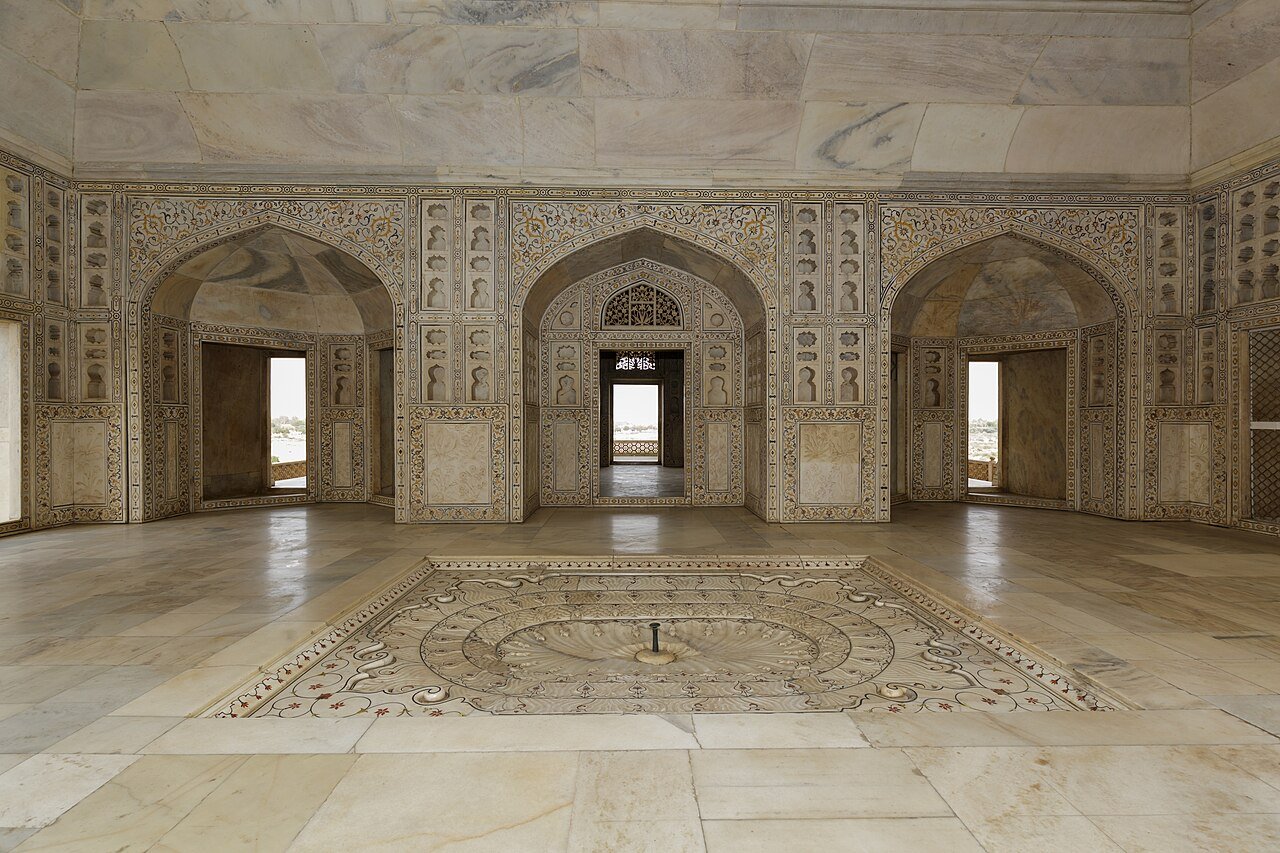
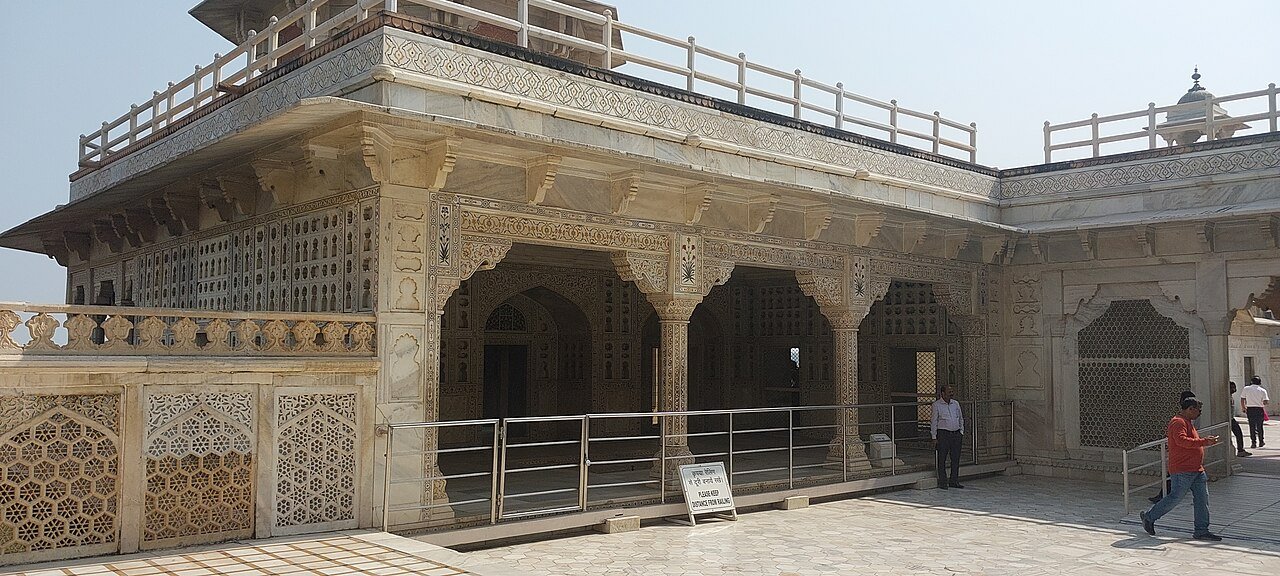
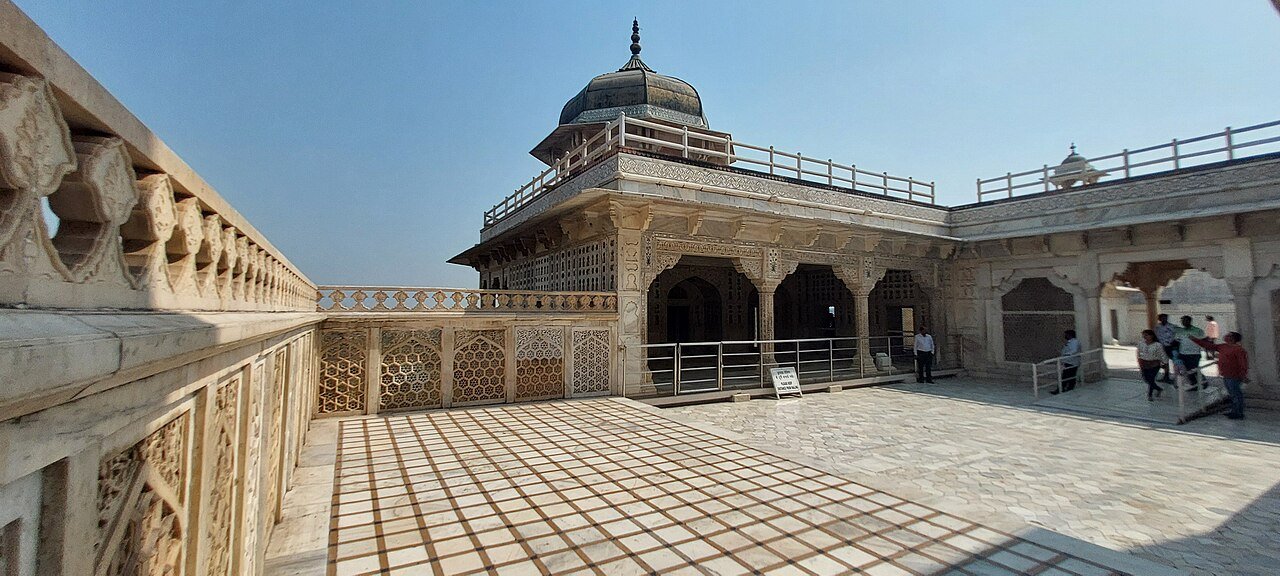
Visitors enter by the Amar Singh Gate, originally called the Akbar Darwaza and renamed by Shah Jahan. The grandest of the four gates, the Delhi Gate of about 1568, is not open to the public because the northern part of the fort is used by the Indian Army. Akbar’s red sandstone buildings include the Jahangiri Mahal, named for the bathing tank of Jahangir. Shah Jahan later added white marble palaces, including the octagonal Musamman Burj overlooking the Yamuna.
The Musamman Burj is also the most poignant stop. After Aurangzeb took power, Shah Jahan was confined in the fort, and Wikipedia says he spent eight years there, from 1658 to 1666, and is said to have died in this complex, with the Taj Mahal visible from his rooms. The Diwan-i-Khas is where Aurangzeb received Shivaji in 1666. Combine it with the Taj in one day, but give the fort at least two hours.
Swipe or scroll for more photos →
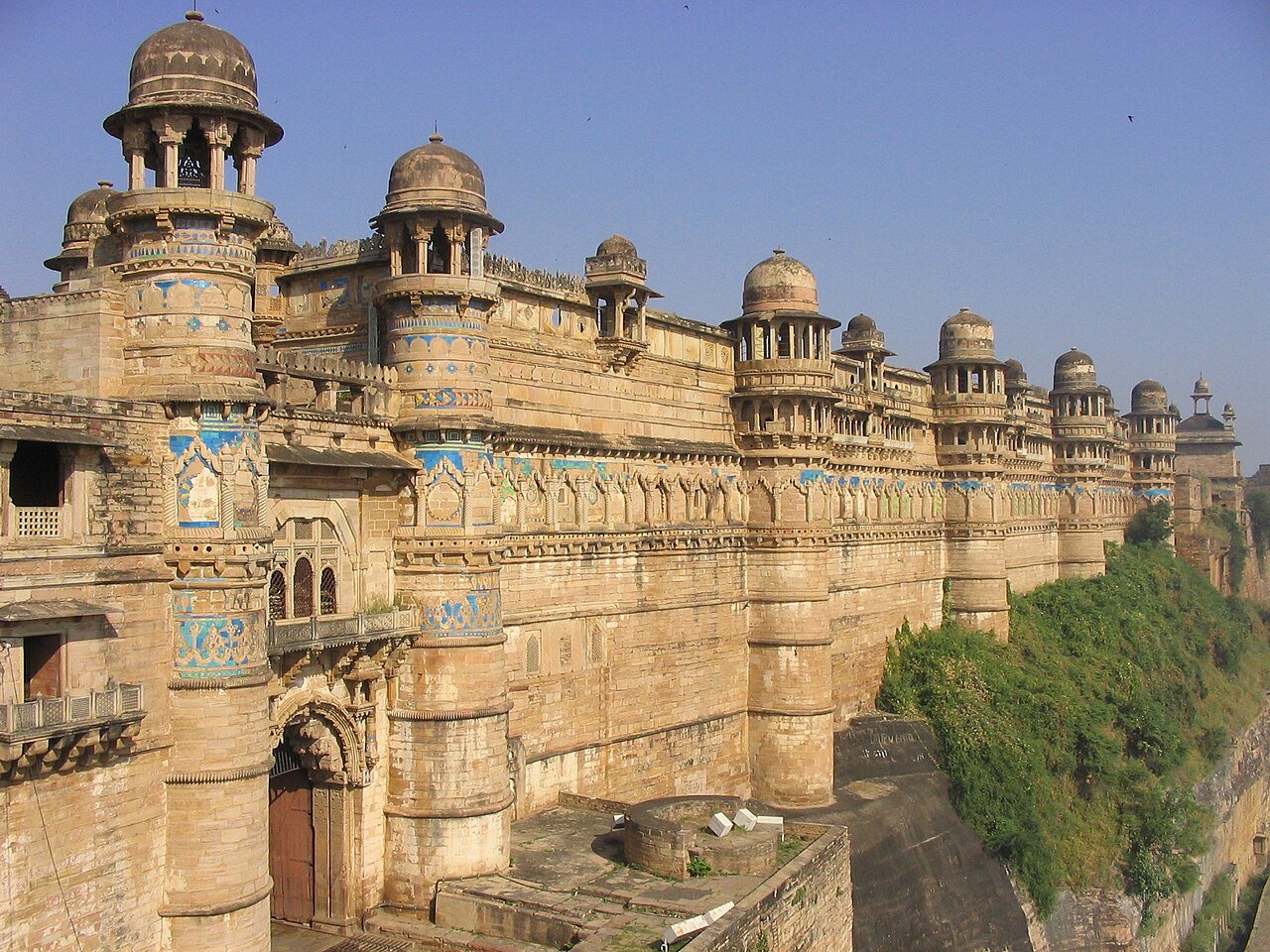
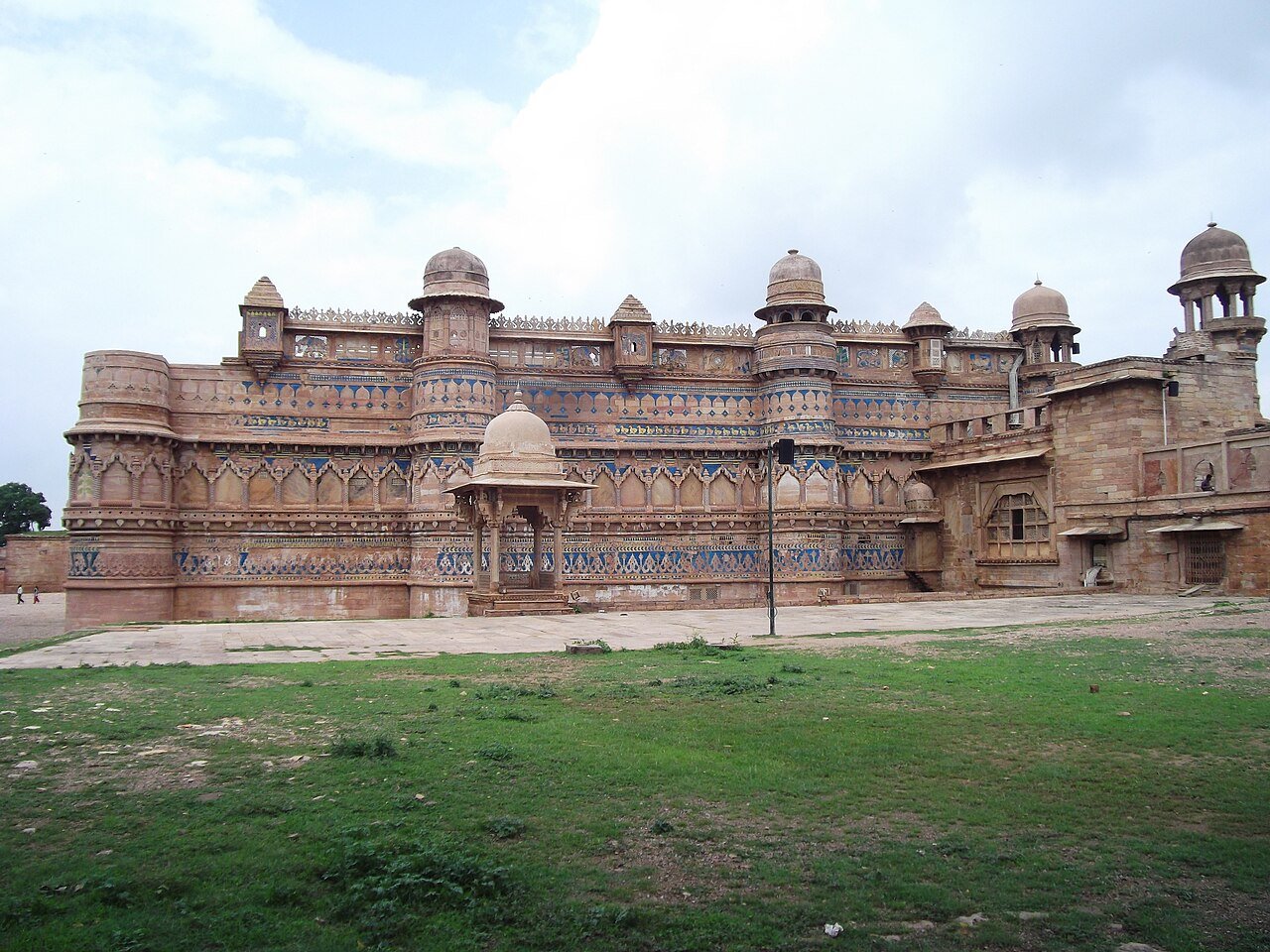
8. Gwalior Fort: a hilltop of palaces, temples and tiles
At a glance: Gwalior, Madhya Pradesh · on a sandstone plateau · Man Mandir Palace built under the Tomar kings · not UNESCO-listed.
Gwalior Fort crowns a long sandstone hill above the city, and its walls follow the edge of the plateau. One guide dates the fort back to the eighth century and gives its area as about 741 acres, though sources differ and the figures should be treated as approximate. The best-known building is the Man Mandir Palace, raised under the Tomar king Man Singh in the late 15th and early 16th centuries, with towers, bastions and bands of blue, green and yellow glazed tiles that survive on the outer walls.
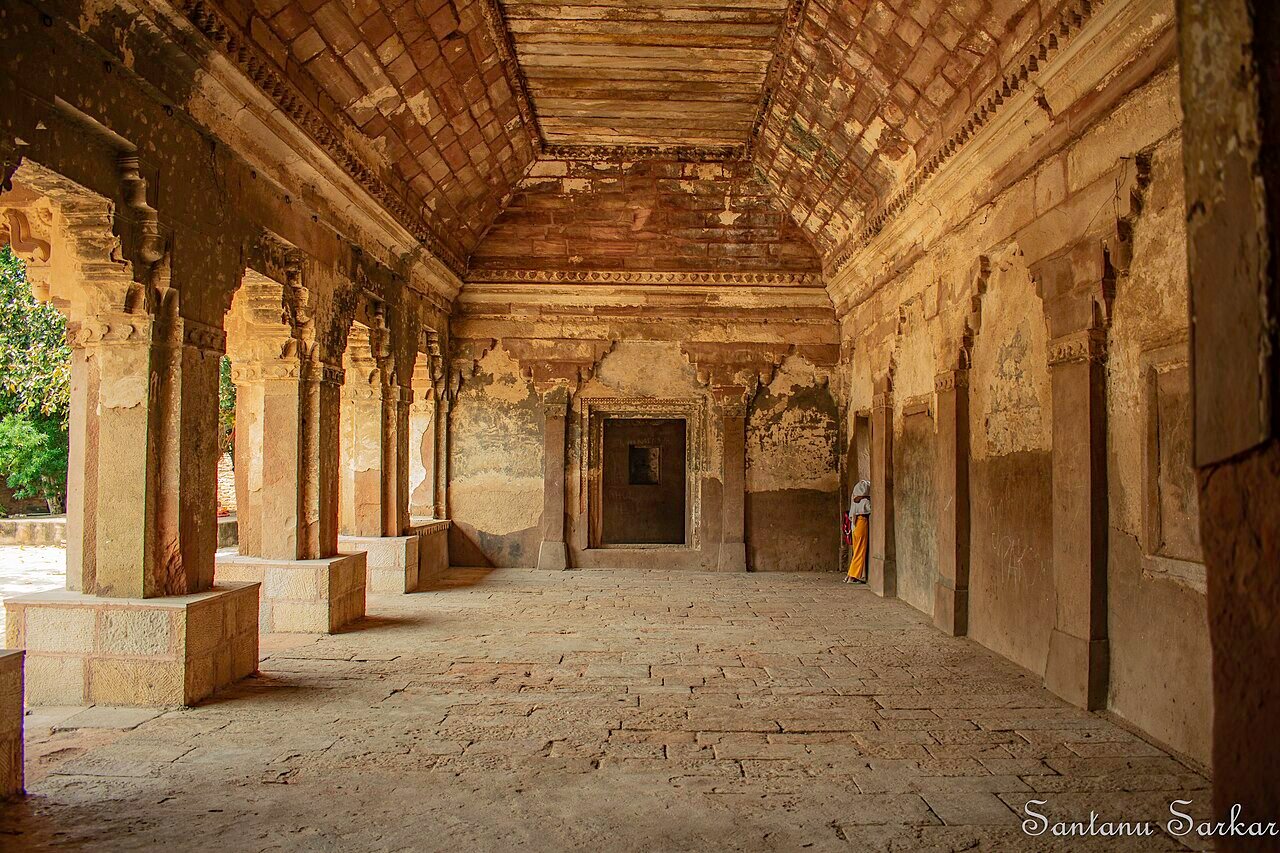
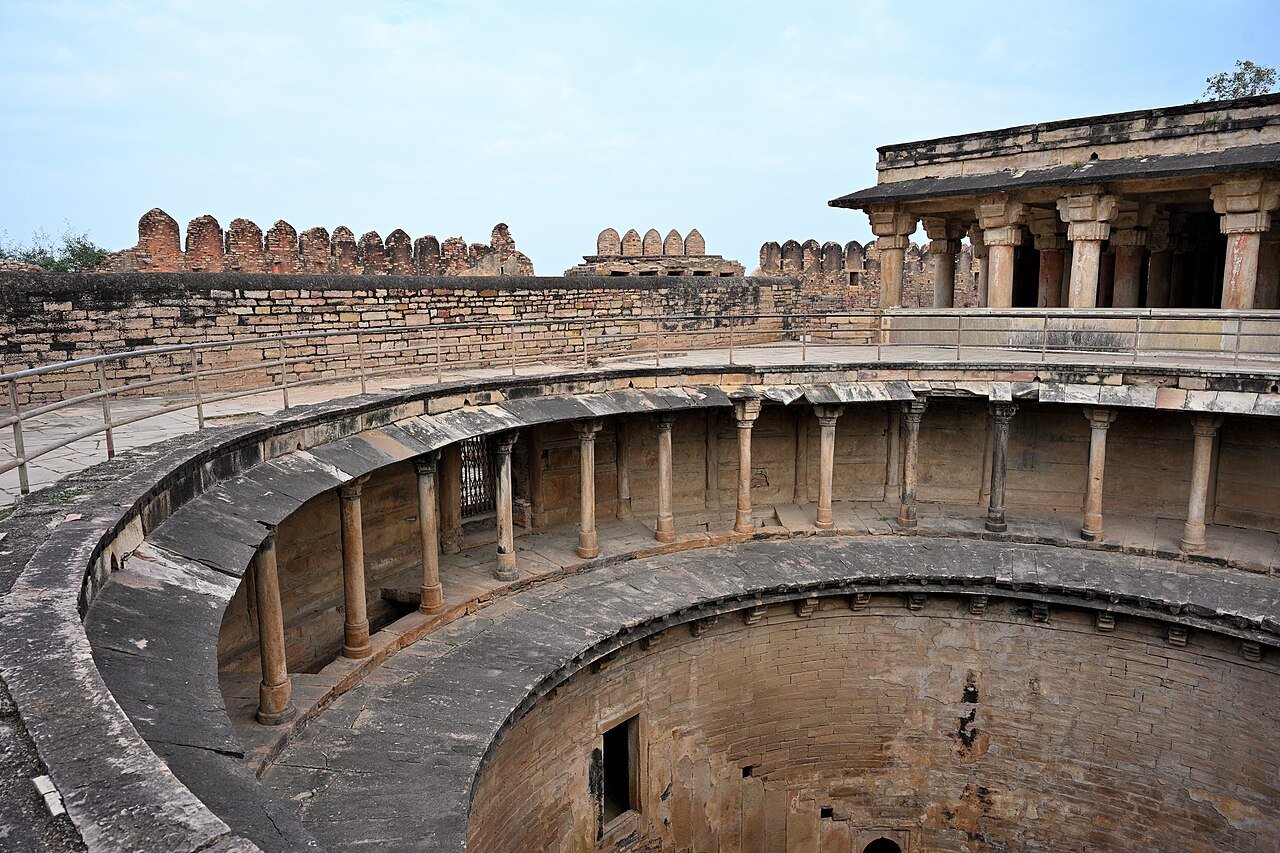
Inside the fort are some of the most varied monuments in this list. The Sas Bahu temples and the Teli ka Mandir show early medieval temple building, the Gujari Mahal (now a museum) was built for a queen of Man Singh, and the Karn Mahal and its baradari colonnade speak of the Tomar court. There are also Jain rock-cut sculptures cut into the cliffs, the Assi Khamba Baoli, an 80-pillared step well, and a Sikh gurdwara, Data Bandi Chhor, associated with Guru Hargobind, who was held here in the early 17th century.
Gwalior also appears in the story of 1857: Rani Lakshmibai of Jhansi fought and died near Gwalior in June 1858. The fort is easy to reach by train from Delhi or Agra and works well as a half-day stop. A sound-and-light show is held in the evenings, but check the schedule, which changes with the season.
Swipe or scroll for more photos →
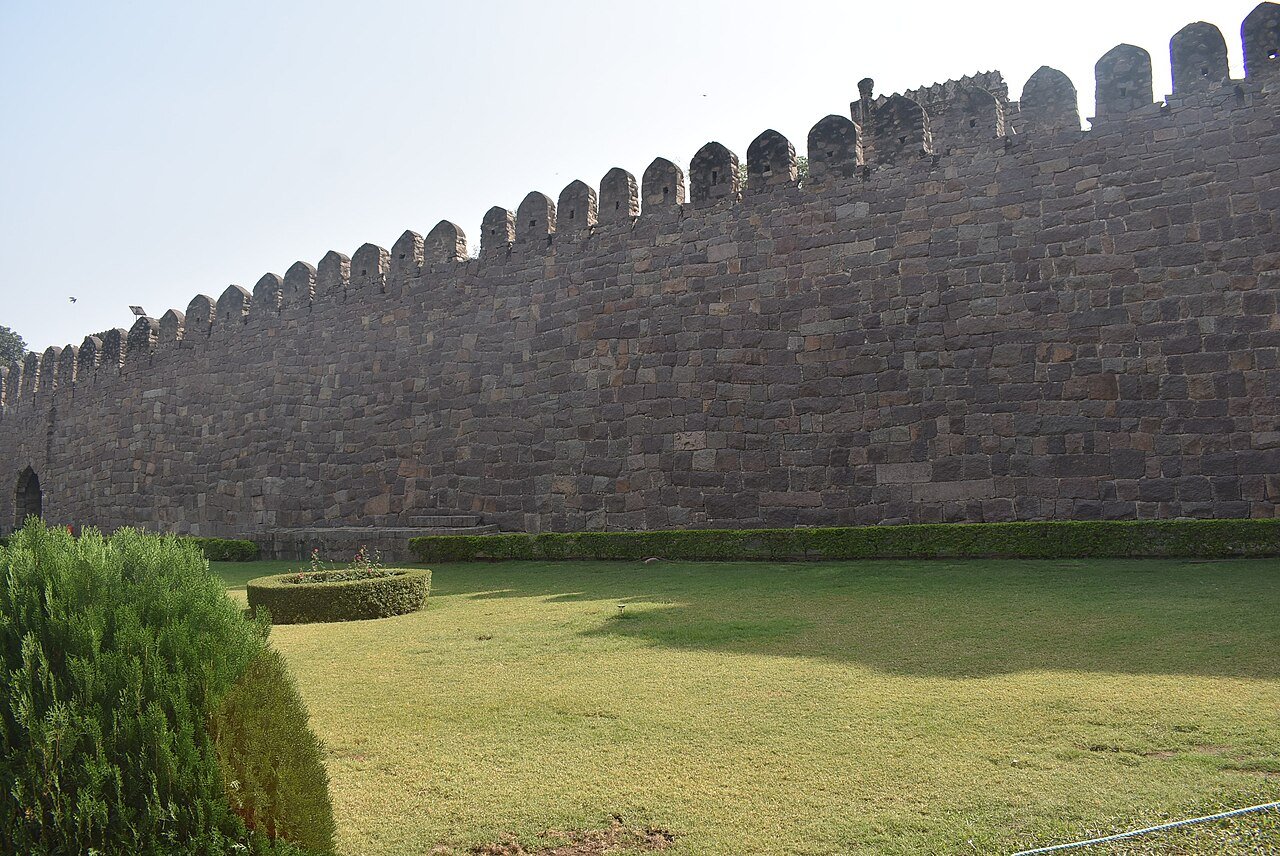
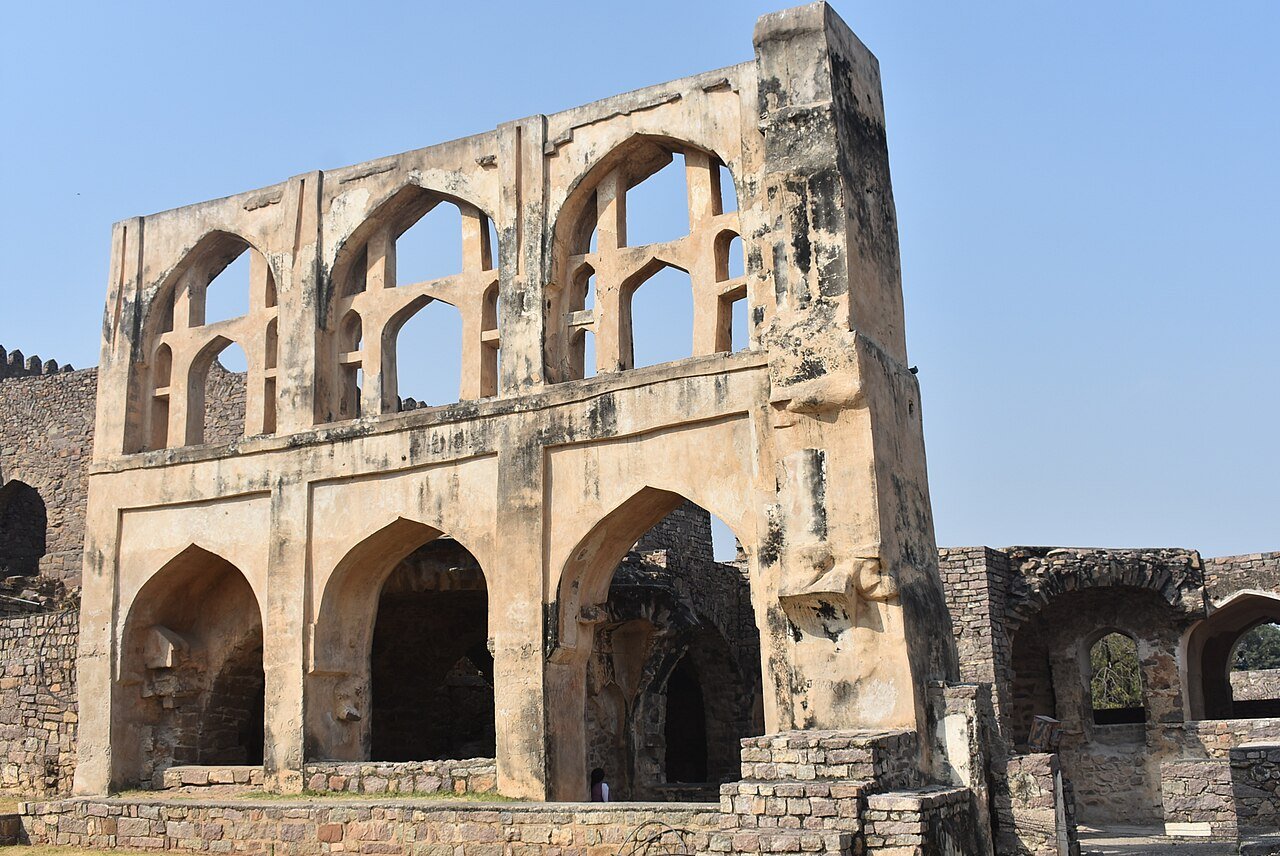
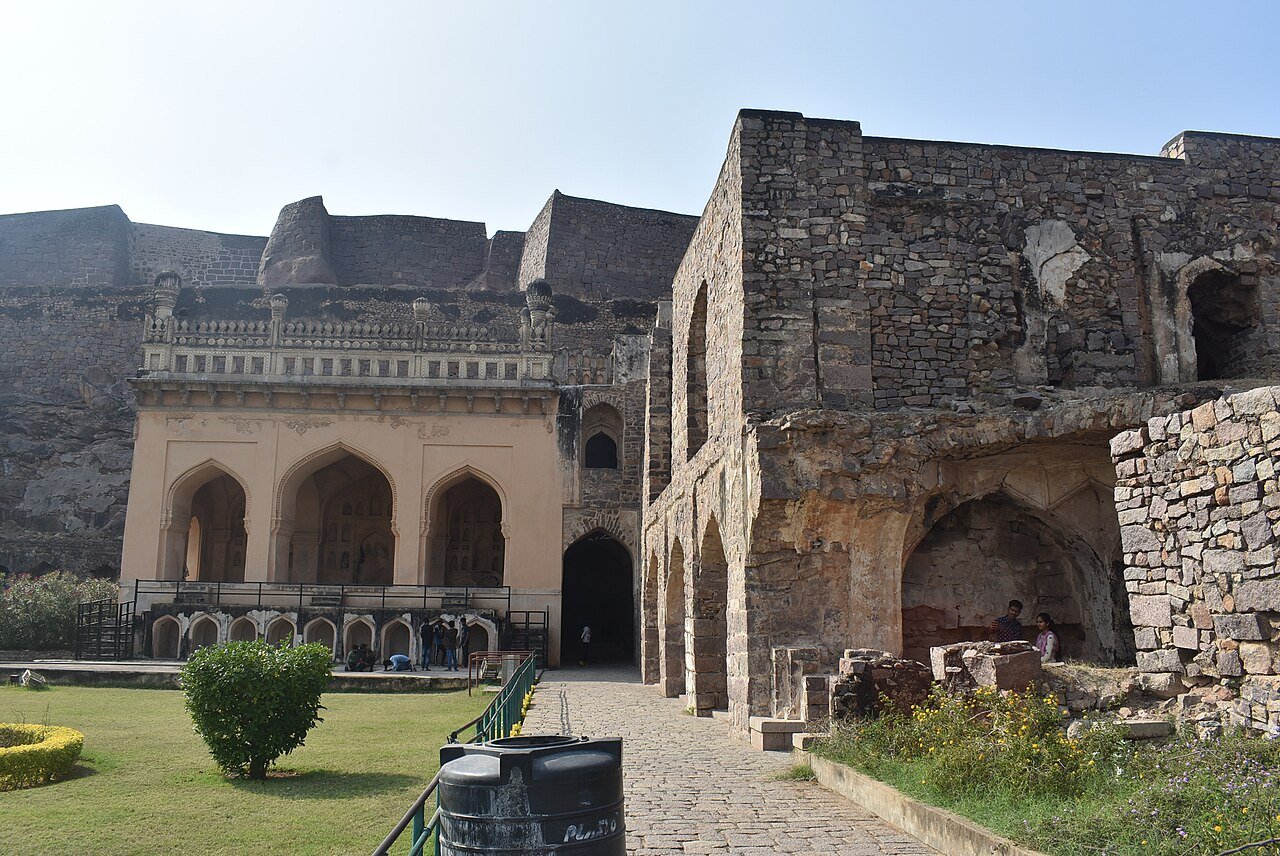
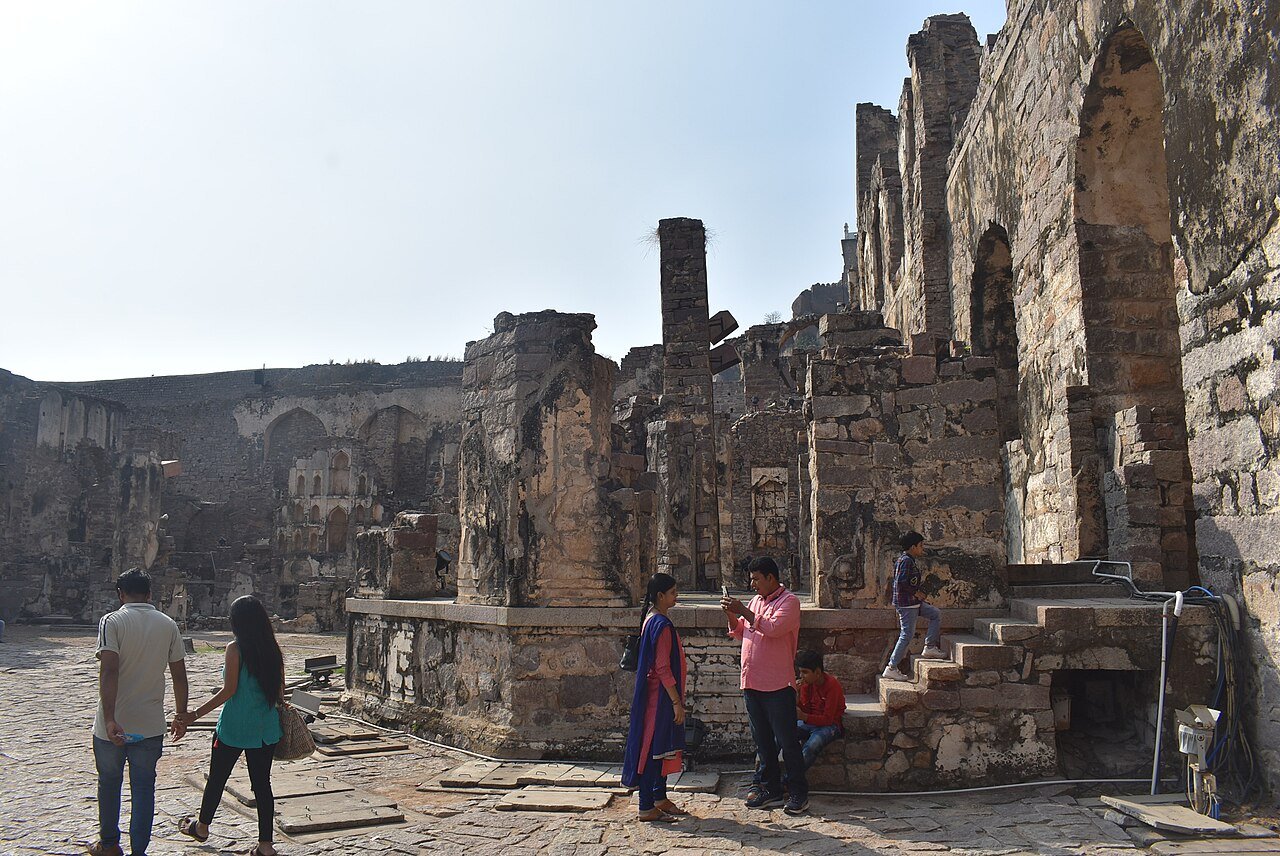
9. Golconda Fort: a Deccan fortress with famous acoustics
At a glance: Hyderabad, Telangana · began as a Kakatiya mud fort · expanded by the Qutb Shahis · not UNESCO-listed.
Golconda began as a mud fort built by the Kakatiya dynasty in the 13th century, passed to the Bahmani Sultanate, and was then rebuilt in granite by the Qutb Shahi dynasty, whose rulers made it their capital in the 16th century. It sits on a granite hill on the western edge of Hyderabad, with outer walls, bastions, gates and ruined palaces rising in terraces to the Bala Hissar at the top.
The fort is known for its engineering. Popular accounts describe the acoustics at the Fateh Darwaza, where a hand-clap at a marked spot under the dome is said to carry to the hilltop pavilion, an old warning system. Water was brought up through channels and stored in tanks and cisterns, and the interior holds mosques, audience halls and the remains of royal apartments. Golconda was also the market for diamonds from the region, and tradition links the Koh-i-Noor to this area.
Aurangzeb’s army besieged Golconda in 1687 and the fort fell after about eight months, ending Qutb Shahi rule. Although Golconda is not a World Heritage Site, the Qutb Shahi monuments of Hyderabad, including the fort, have been proposed for inscription. Visit early, climb to the top for the view over the city, and plan the evening light-and-sound show if you have time.
Swipe or scroll for more photos →
10. Amer Fort: a palace-fort above Maota Lake
At a glance: near Jaipur, Rajasthan · begun in 1592 under Man Singh I · UNESCO World Heritage Site since 2013.
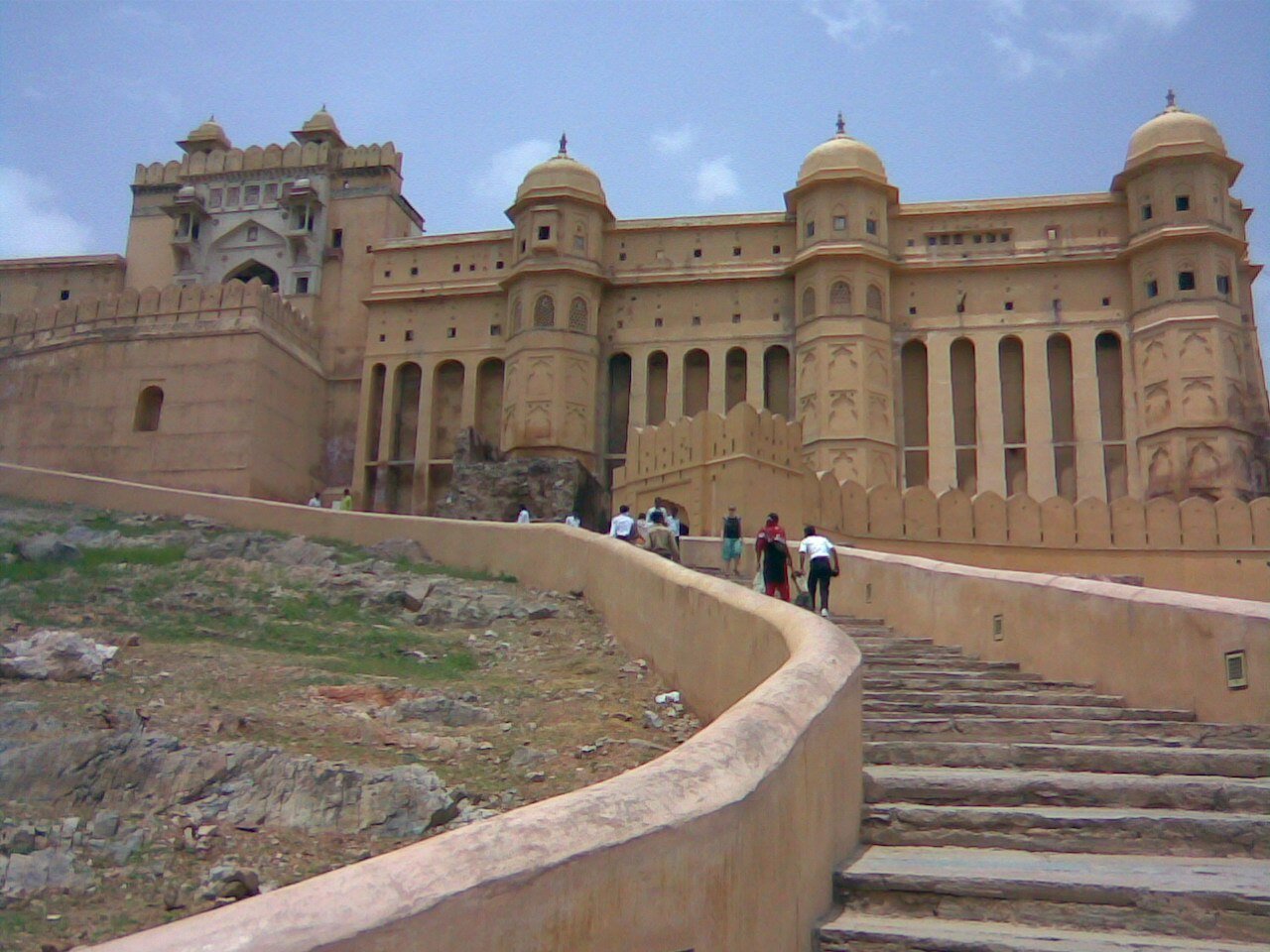
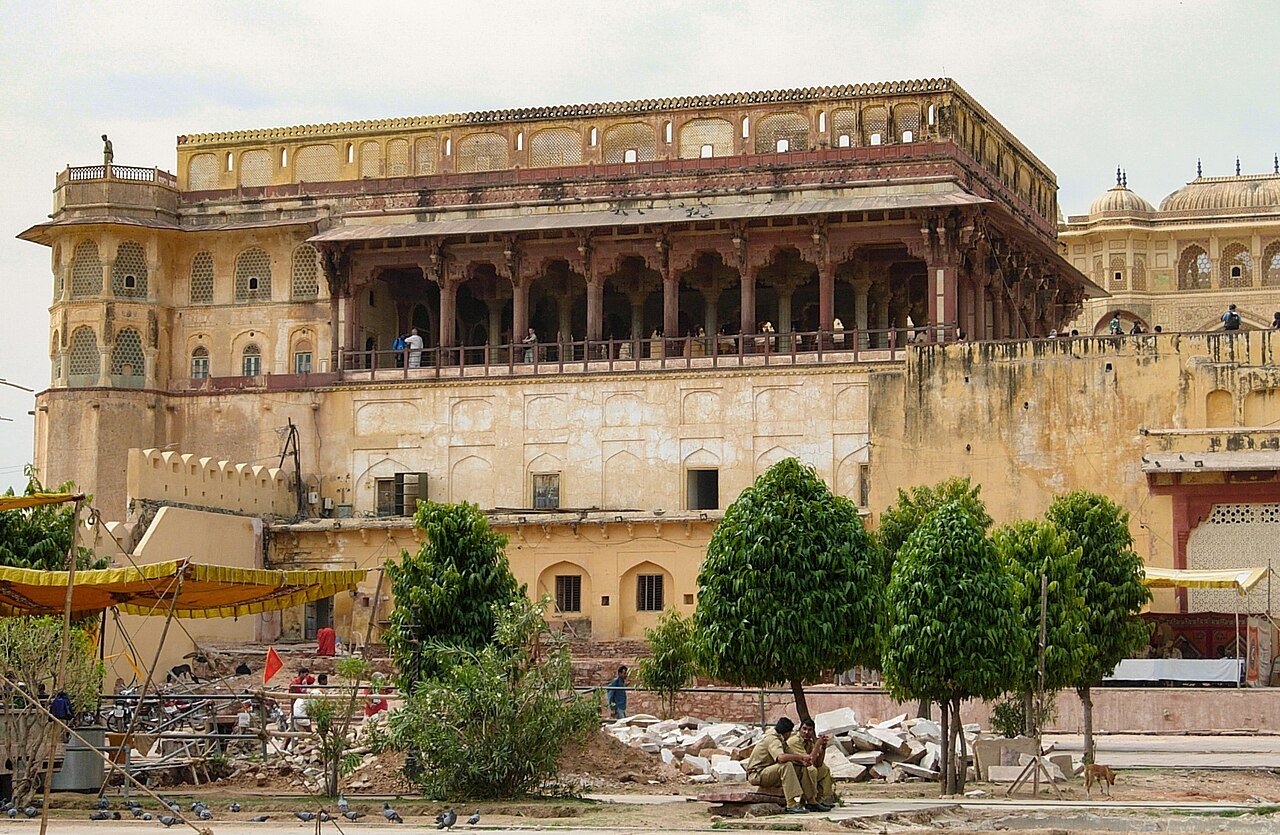
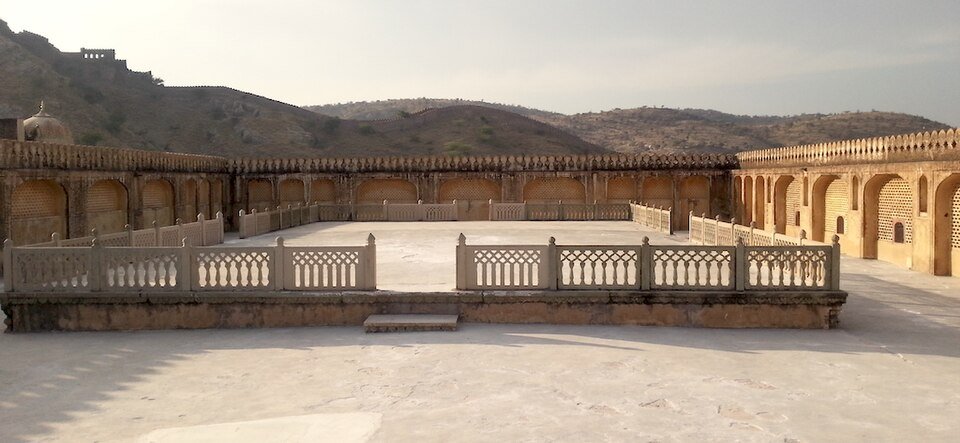
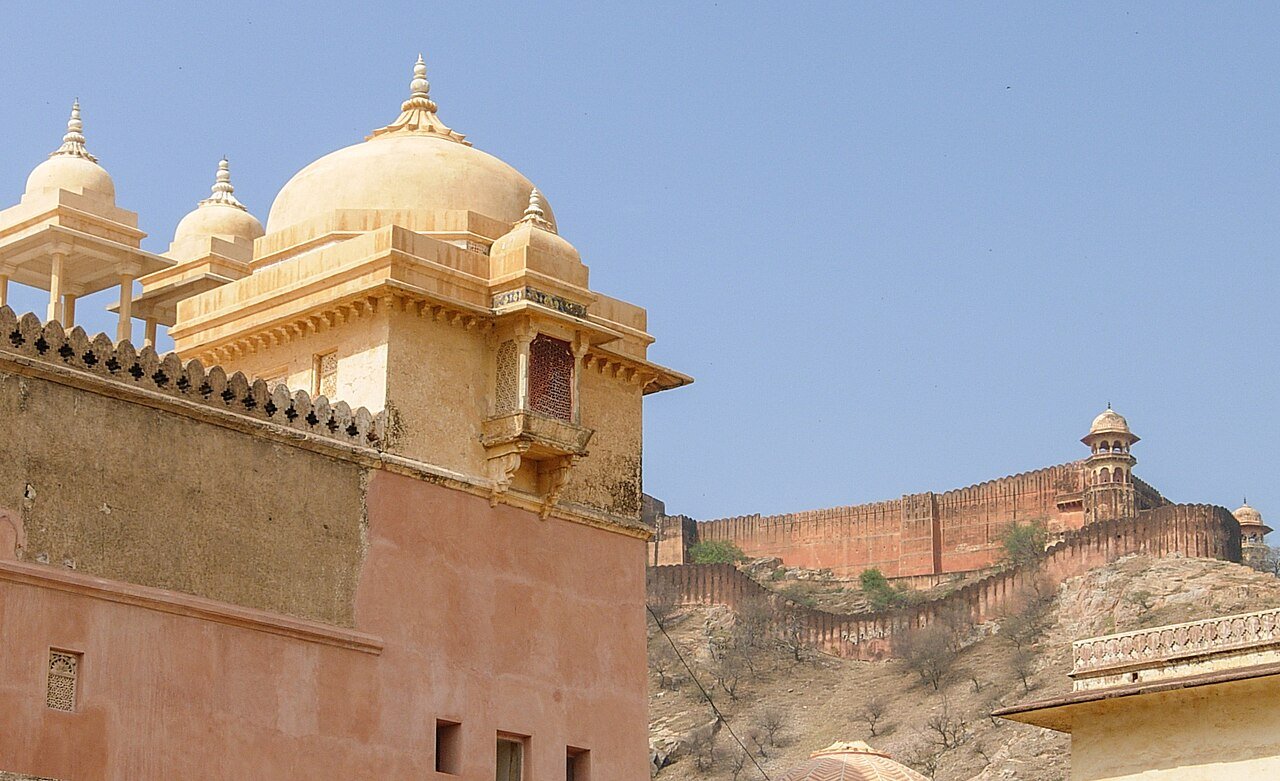
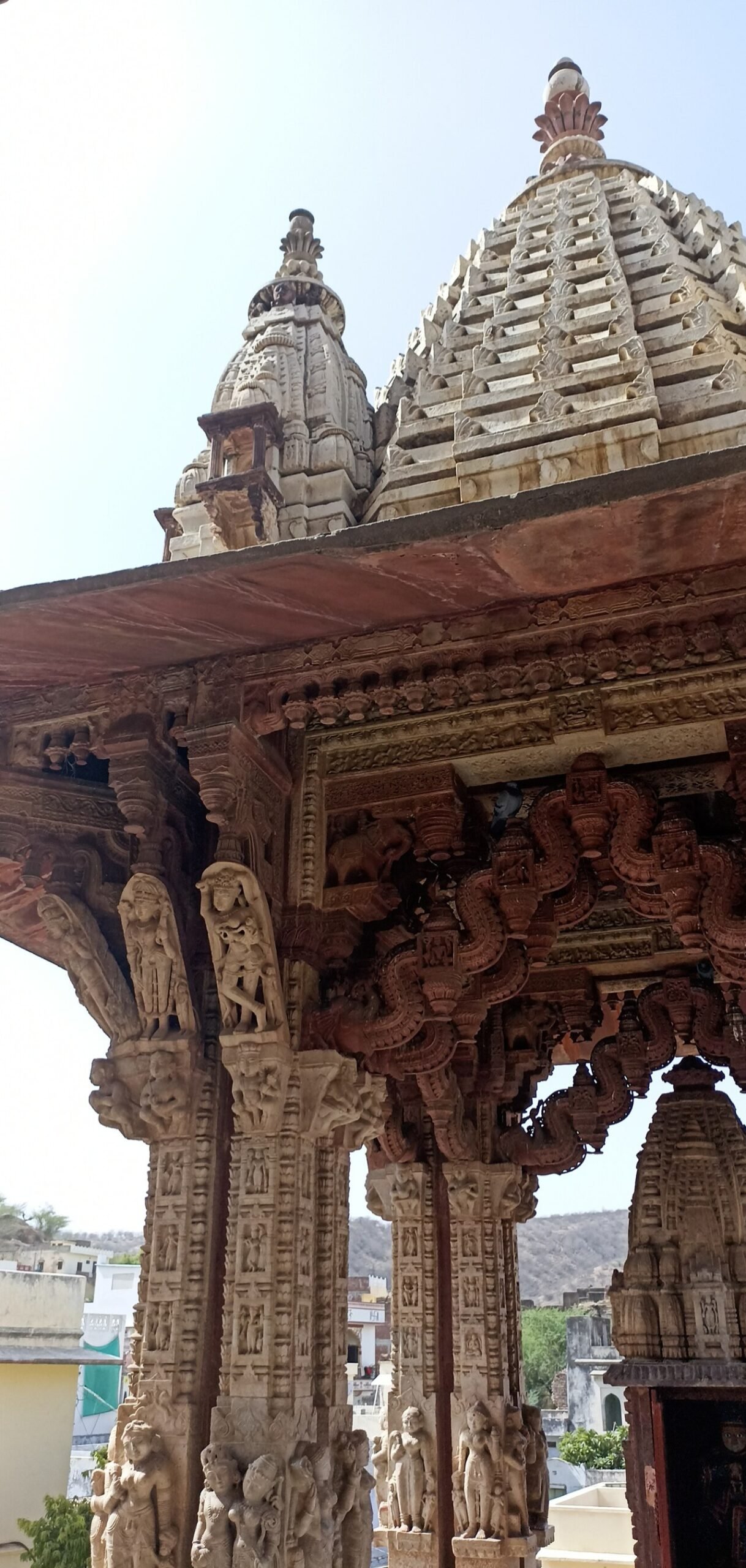
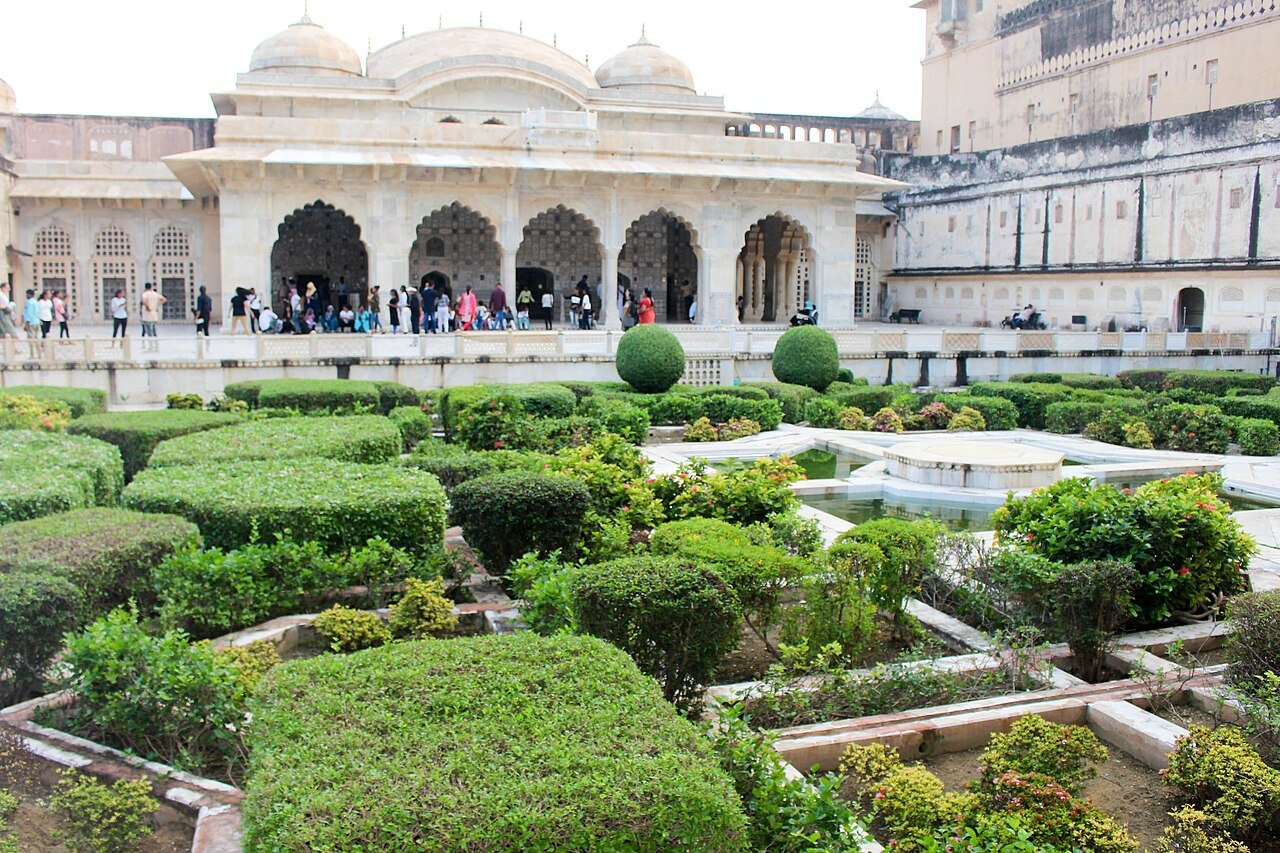
Amer Fort stands on a ridge above Maota Lake, about 11 km from Jaipur, and it was the seat of the Kachwaha rulers before the capital moved to Jaipur in 1727. Construction is usually dated to 1592 under Raja Man Singh I, with additions by Jai Singh I and Sawai Jai Singh. The fort is built of red sandstone and marble and is listed with the Hill Forts of Rajasthan. Like the nearby Jaigarh, it was designed as both a palace and a stronghold.
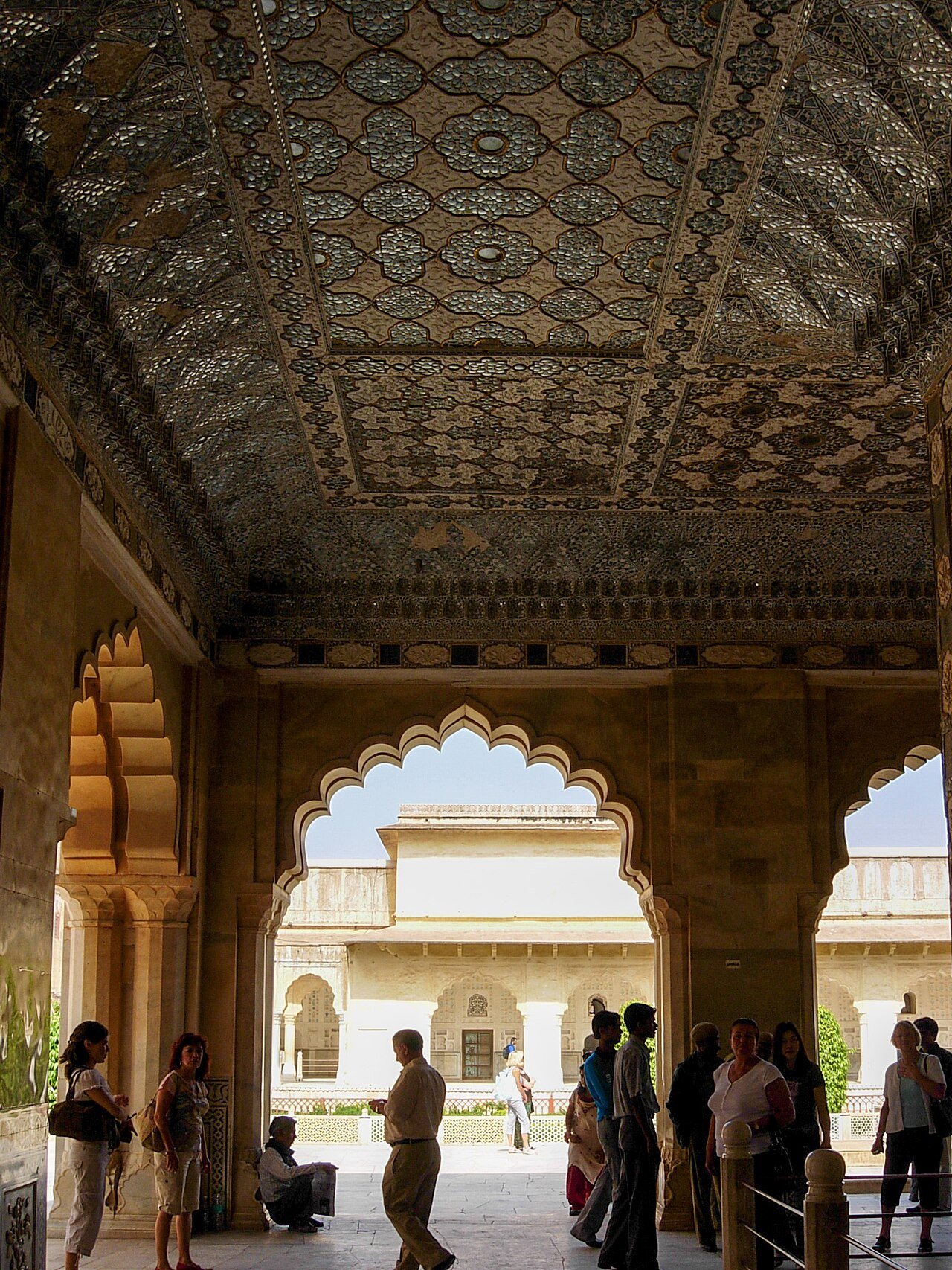
The route up passes the Suraj Pol and leads into the Jaleb Chowk, the main courtyard, and then to the Ganesh Pol, a richly painted three-level gateway that leads to the private apartments. Inside, the Sheesh Mahal is covered in mirror mosaic, the Sukh Niwas is cooled by water channels, and the Diwan-i-Aam has a hall of pillars with elephant-headed capitals. We cover the palace itself in our royal palaces guide.
Practical advice: arrive early to beat the queues and the heat, and decide whether to walk up or ride; elephant rides have been regulated in recent years, so check the current rules. A light-and-sound show has been held in the evening, so ask locally. Amer works well combined with the City Palace and Hawa Mahal in Jaipur.
Swipe or scroll for more photos →
What is the difference between the Red Fort and Agra Fort?
| Red Fort (Delhi) | Agra Fort | |
|---|---|---|
| Builder | Shah Jahan, for his new capital Shahjahanabad | Akbar; later refitted by Shah Jahan |
| Built | Begun 1638, completed 1648 | Rebuilt in red sandstone 1565–1573 |
| UNESCO | 2007, as the Red Fort Complex with Salimgarh Fort | 1983 |
People often confuse the two. Agra Fort was one of India’s first four World Heritage Sites in 1983, alongside the Taj Mahal, which stands nearby. The Delhi fort was commissioned by Shah Jahan after he moved the Mughal capital from Agra to Delhi, and it forms the Red Fort Complex with the older Salimgarh Fort, built by Islam Shah Suri in 1546.
India’s newest UNESCO-listed forts are not in this top ten: the Maratha Military Landscapes (Raigad, Shivneri, Sindhudurg and others) were inscribed in 2025. See our complete list of India’s 45 World Heritage Sites.
Sources used for this article: UNESCO World Heritage Centre pages on the Hill Forts of Rajasthan; Wikipedia’s entries on Chittor Fort, Kumbhalgarh, Jaisalmer Fort, Ranthambore Fort, the Red Fort, Agra Fort and the Hill Forts of Rajasthan; Britannica’s entry on Agra Fort; Rajasthan Tourism; and travel guides from Holidify, Curly Tales, Shruti’s Fairytales and Memorable India. For Mehrangarh, Gwalior, Golconda and Amer, details come from general reference knowledge and are worded cautiously; check locally before travelling. Where sources differ, the text says so. Photographs are from Wikimedia Commons under Creative Commons or public-domain terms, with the photographer and licence shown in each caption.
Frequently asked questions
-
What are the top 10 forts of India?
Commonly cited choices are Chittorgarh, Kumbhalgarh, Amer, Jaisalmer, Ranthambore, Mehrangarh, the Red Fort (Delhi), Agra Fort, Gwalior Fort and Golconda. ‘Top 10’ is an editorial choice, not an official ranking.
-
Which Indian forts are UNESCO World Heritage Sites?
Six Hill Forts of Rajasthan (Chittorgarh, Kumbhalgarh, Ranthambore, Gagron, Amer and Jaisalmer, 2013), the Red Fort Complex in Delhi (2007), Agra Fort (1983) and the Maratha Military Landscapes (2025).
-
Is Mehrangarh Fort a UNESCO World Heritage Site?
No. It is a major hill fort in Jodhpur, but it is not part of the UNESCO Hill Forts of Rajasthan listing.
-
Which fort is called the Great Wall of India?
Kumbhalgarh in Rajasthan, for its perimeter wall of about 36 km.
-
Which fort is called the Golden Fort?
Jaisalmer Fort, also called Sonar Kila, traditionally said to be built in 1156 by Rawal Jaisal.
-
Who built the Red Fort in Delhi?
The Mughal emperor Shah Jahan, who commissioned it after moving his capital from Agra to Delhi; work ran from 1638 to 1648.
-
Who built Agra Fort?
Akbar rebuilt it in red sandstone between 1565 and 1573 on the site of an older fort, and Shah Jahan later added marble palaces.
-
Which fort has the Vijay Stambh?
Chittorgarh Fort in Rajasthan. Rana Kumbha built the nine-storey tower between 1458 and 1468 to mark a victory over Mahmud Shah I Khalji.