
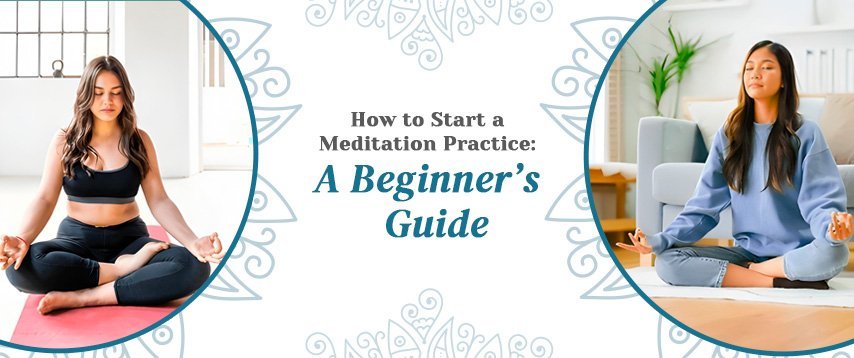
A beginner’s guide to starting meditation at home: what meditation is, the main types, how to sit, four simple techniques with step-by-step instructions, common challenges and how to build a daily habit.
Meditation is simpler to start than most people think. It needs no equipment, no special place and no belief system — only a few minutes and the willingness to sit with your own mind. This guide walks you through everything a beginner needs, from choosing a technique to making it a lasting habit.
What Is Meditation?
Meditation is the practice of training attention and awareness — usually by resting the mind on an anchor such as the breath or a mantra, and gently returning to it whenever the mind wanders. It has deep roots in Indian tradition, where Patanjali’s Yoga Sutras describe meditation (dhyana) as the seventh limb of yoga, and in Buddhism. Today it is practised for spiritual growth, for stress relief, or simply for a calmer mind.
What Are the Main Types of Meditation?
- Mindfulness meditation: observing the breath, thoughts and sensations without judgement. Rooted in Buddhist practice, it is the easiest starting point for most beginners.
- Mantra meditation (japa): silently repeating a word or sacred sound, such as Om, to steady attention.
- Guided meditation: following a teacher’s voice, live or recorded — especially helpful at first.
- Loving-kindness meditation (metta): cultivating goodwill towards yourself and others.
- Transcendental Meditation (TM): a trademarked mantra technique founded by Maharishi Mahesh Yogi. It is taught only by certified teachers in a structured course, with a mantra given to each student, so it is not something to begin on your own — but simple mantra meditation, above, uses a similar principle.
For a deeper look at each type, see the power of meditation.
Why Should You Meditate?

- Stress: the best-supported benefit; many studies of mindfulness programmes report reduced stress and anxiety.
- Focus: returning attention to the breath again and again trains concentration.
- Emotional steadiness: noticing feelings as they arise helps you respond rather than react.
- Sleep: a short bedtime practice helps many people settle.
- Spiritual growth: for many, meditation is a path to self-knowledge and connection with the divine.
See the research in detail in our 10 benefits of daily meditation.
How Do You Prepare to Meditate?
- Choose a space: any quiet corner where you won’t be interrupted. A cushion, a plant or a lamp can make it inviting.
- Set an intention: ask yourself why you are meditating — calm, focus, or spiritual connection. Your reason will keep you going.
- Pick a time: the same time each day works best. Mornings set a calm tone; evenings help you unwind.
- Start small: five to ten minutes is enough at first.
How Should You Sit?
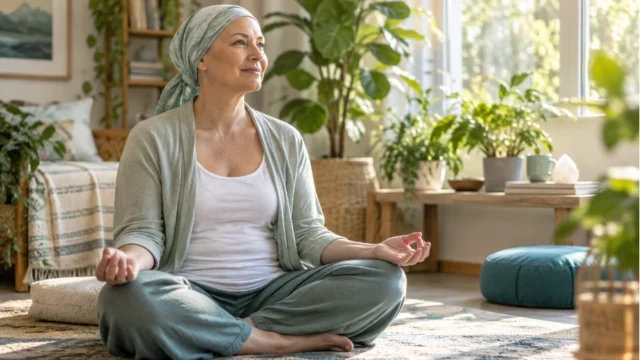
You do not need to sit cross-legged. Sit on a chair with feet flat on the floor, or on a cushion on the floor. Keep the spine upright but relaxed, as if a thread were gently lifting the crown of your head. Rest your hands on your knees or in your lap, soften the shoulders and jaw, and close your eyes or let your gaze rest on the floor ahead. If sitting is uncomfortable, you can also meditate lying down — though you may fall asleep.
What Are the Best Meditation Techniques for Beginners?
1. Breath-Focused Mindfulness
One of the most accessible forms of meditation for beginners.
- Sit comfortably and close your eyes.
- Take a few slow breaths to settle.
- Let the breath return to its natural rhythm and notice the sensation of it — at the nostrils, chest or belly.
- When the mind wanders — and it will — notice, and gently return to the breath.
- Continue for five to ten minutes.
2. Body Scan
- Lie down or sit comfortably and take a few slow breaths.
- Starting at the top of the head, move your attention slowly down through the face, neck, shoulders, arms, chest, belly, hips, legs and feet.
- Notice any tension, and let it soften as you breathe out.
Especially useful before sleep.
3. Mantra Meditation
- Choose a mantra — a sacred sound such as Om or Om Namah Shivaya, or a simple word such as “peace”.
- Sit comfortably, close your eyes, and repeat it silently, letting it anchor your attention.
- When the mind wanders, return to the mantra. Counting on a 108-bead mala, as in traditional japa, helps.
4. Loving-Kindness
- Sit comfortably with your eyes closed.
- Silently repeat: “May I be happy. May I be healthy. May I be at peace.”
- Extend the same wishes to loved ones, acquaintances, people you find difficult, and finally all beings.
For quick practices that fit a busy day, see our 10 simple meditation techniques, and for breathing methods, our pranayama guide.
How Do You Overcome Common Challenges?

“My mind won’t stop thinking”
That is normal — and it is not failure. Meditation is not about stopping thoughts but about noticing them and returning. Each return is one repetition of the exercise, like lifting a weight.
“I can’t sit still”
Start with shorter sessions, adjust your posture as needed, or try walking meditation instead. Comfort matters more than perfect form.
“I keep forgetting”
Attach meditation to something you already do daily — after morning tea, before breakfast, or after brushing your teeth at night. A reminder on your phone also helps.
How Do You Make Meditation a Daily Habit?

- Keep it short: five minutes daily beats thirty minutes once a week. Increase gradually.
- Create a small ritual: lighting a diya or incense, or sitting in the same spot, signals to the mind that it is time to settle.
- Track your practice: a journal or app helps you notice how you feel before and after.
- Be patient: benefits build over weeks, not days.
Meditation asks only for your presence. Find a quiet spot, take a slow breath, and begin today.
If you are living with anxiety, depression, trauma or another mental health condition, meditation can help but is not a substitute for care; start with short guided sessions and speak to a professional if it brings up difficult feelings.
My Sleep Game-Changer: Kyore Nutrition Melatonin Sleep Gummies
I’ve been through 6 months of tossing & turning … until I tried Kyore Nutrition Melatonin Sleep Gummies. Now I fall asleep in just 15–20 minutes. No more staring at the ceiling, no more restless nights.
What’s Inside & Why It Helps
- Restfull Sleep: Each gummy is packed with 7mg of Melatonin, a hormone that regulates your sleep-wake cycle, helping you fall asleep faster and stay asleep longer.
- Enhanced Sleep Quality: L-Theanine, a natural amino acid, promotes relaxation without causing drowsiness, ensuring a peaceful night’s rest without any grogginess upon waking.
- 3. Wake Up Fresh: With all natural ingredients, Kyore Nutritions Melatonin Gummies enhances your sleep quality and helps to control your sleep wake cycle.


4. Stress Relief: an adaptogenic herb, works wonders in reducing stress and anxiety, allowing your body and mind to relax before bedtime.
5. Best Price: 30 gummies at just Rs. 399/-

6. 4.5 Star Ratings by more than 550 people
🚀 Try It Yourself
If you’re in the same boat — tired, stressed, unable to sleep — this might be the helping hand you need.
Disclaimer:
This review is purely based on my personal experience with the product. I am not making any medical claims, and results may vary for different individuals. Please consult a qualified healthcare professional before starting any new supplement.
Frequently Asked Questions
-
How do I start meditating as a complete beginner?
To start meditating as a complete beginner, sit comfortably on a chair or cushion with your spine upright, close your eyes, and rest your attention on the natural rhythm of your breath for five to ten minutes. Whenever your mind wanders, simply notice and return to the breath; that return is the practice.
-
How long should a beginner meditate?
A beginner should meditate for five to ten minutes a day, gradually increasing to fifteen or twenty minutes as it becomes comfortable. A short daily practice is more beneficial than occasional long sessions, and consistency matters more than length.
-
What if I can’t stop thinking during meditation?
Constant thinking during meditation is completely normal, and meditation is not about stopping thoughts. The practice is to notice when your mind has wandered and gently bring it back to the breath or mantra; each return strengthens attention, like one repetition of an exercise.
-
Do I need to sit cross-legged to meditate?
No. You can meditate sitting on a chair with your feet flat on the floor, on a cushion, or even lying down. What matters is an upright but relaxed spine and a position you can hold comfortably; many beginners find a chair easiest.
-
What is the best time of day to meditate?
The best time to meditate is whichever time you can keep consistently. Early morning, before the day’s demands begin, is traditional and popular, while evening practice helps many people unwind before sleep; attaching meditation to an existing daily habit makes it easier to remember.
-
Which type of meditation is best for beginners?
Breath-focused mindfulness is usually the easiest meditation for beginners, followed by guided meditation, mantra meditation and the body scan. Transcendental Meditation, by contrast, is a trademarked technique taught only by certified teachers, so it is not something to start on your own.
-
Can I use guided meditations or music?
Yes. Guided meditations, live or recorded, are especially helpful when you are starting out, and many apps offer short sessions for beginners. Soft instrumental music or chanting can help too, though practising in silence builds the ability to rest attention without support.
-
How soon will I notice benefits from meditation?
Many people feel calmer after a single session, while benefits for stress, focus and mood usually build over several weeks of regular practice. Research programmes such as the eight-week Mindfulness-Based Stress Reduction course measure benefits after weeks of daily practice.