
Who Is Lord Krishna?
Krishna is the eighth avatar of Vishnu and one of the most widely revered deities in Hinduism. Often depicted as charming and playful, his life and teachings are recorded in the Mahabharata and the Bhagavad Gita, and he is worshipped across India and among devotees worldwide.
What Is the Hare Krishna Maha Mantra?
The Hare Krishna mantra, also known as the Maha Mantra, is a sixteen-word Vaishnava mantra particularly associated with the International Society for Krishna Consciousness (ISKCON).
Hare Krishna, Hare Krishna, Krishna Krishna, Hare Hare
Hare Rama, Hare Rama, Rama Rama, Hare Hare
It is chanted as a means of attaining spiritual enlightenment and connection with the divine. The repeated chanting is understood as an expression of devotion and surrender, believed to purify the mind and bring the devotee closer to Krishna.
Who Is Laddu Gopal?
Laddu Gopal is the child form of Lord Krishna, depicted as an adorable and mischievous young boy. This form is cherished for his playful nature and remembered for the divine pranks and miraculous deeds performed during his childhood in Vrindavan. The name refers to his love of laddus, the traditional sweets made from flour, ghee and sugar.
Why Is Laddu Gopal Significant?
Laddu Gopal symbolises the innocence and joy of childhood. His leelas — stealing butter, dancing on the heads of serpents, his interactions with the gopis — are narrated with affection and reverence, and are both enchanting and instructive.
How Is Laddu Gopal Worshipped?
Devotees treat Laddu Gopal as a cherished family member, and the rituals reflect that intimacy.
- Daily rituals. Bathing (abhishek), dressing and offering fresh flowers. He is adorned with clothes, jewellery and a crown.
- Offering sweets and food. Laddus, kheer and other sweets are prepared as bhog, made with care as an expression of affection.
- Treating him as a child. Devotees play with him, sing lullabies and put him to sleep, creating a deeply personal bond.
- Festivals. Janmashtami is marked with elaborate rituals, decorations, bhajans, dances and reenactments of Krishna’s childhood.
Many families keep a dedicated space at home for Laddu Gopal. Caring for him is understood to cultivate love, compassion and humility, and his presence is believed to bring happiness and protection to the household.
When Is Krishna Janmashtami 2026?
Krishna Janmashtami falls on Monday, 26 August 2026. It marks the birth of Krishna on the eighth day (Ashtami) of the Krishna Paksha in the month of Bhadrapada. Devotees fast, sing devotional songs and reenact scenes from Krishna’s life.
How Is Janmashtami Celebrated?
Celebrations run through fasting, singing and dancing, in temples and homes alike. Because Krishna is believed to have been born at midnight, observances often continue to that hour. Beyond India, the Indian diaspora marks the festival with cultural programmes and community feasts, making it a time for both spiritual reflection and communal gathering.
Why Is Krishna Called the Divine Cowherd?
Krishna is often shown as a cowherd playing the flute, enchanting the gopis with his music. His playful and loving nature as a child and youth in Vrindavan is central to how devotees remember him. He is equally worshipped as the Supreme Being who manifests in many forms to protect the righteous and restore dharma — a role his teachings in the Bhagavad Gita set out directly.
What Is the Hare Krishna Movement?
Founded by A. C. Bhaktivedanta Swami Prabhupada in 1966, the Hare Krishna movement popularised the chanting of the maha mantra worldwide. It emphasises devotion, community service and spiritual education.
Who Are Radha and Krishna?
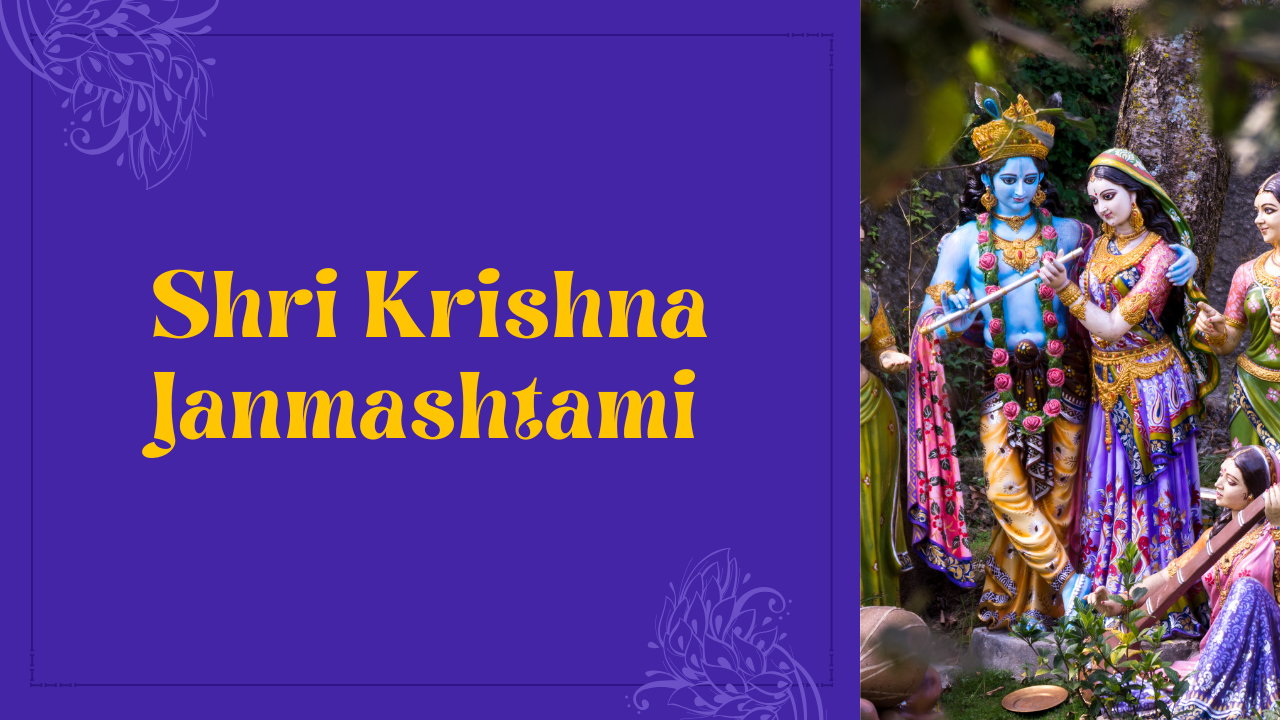
The love of Radha and Krishna is among the most celebrated relationships in Hindu devotion. Radha is Krishna’s consort, and their bond is understood not as an earthly romance but as a metaphor for the union of the individual soul with the Supreme.
What Does Their Love Symbolise?
Radha represents the devotee’s longing and Krishna the divine object of that longing. Together they symbolise the union of the divine feminine and masculine, and their story is read as the highest expression of bhakti — love offered without condition or expectation.
How Are Radha and Krishna Worshipped Together?
Chants such as Radhe Radhe and Radhe Krishna are sung in temples and at devotional gatherings, and their story is retold through bhajans, dance and festival performance. Radha is often addressed as Radha Rani, the queen of devotion, and devotees invoke the pair together rather than separately.
From the tales of Laddu Gopal to the teachings behind the maha mantra, each aspect of Krishna’s presence offers a path to devotion. Festivals such as Janmashtami return devotees to the values of love, devotion and righteousness that Krishna and Radha embody.
Frequently Asked Questions About Lord Krishna
Who is Lord Krishna and why is He considered a divine incarnation?
Lord Krishna is believed to be the eighth avatar of Lord Vishnu. He incarnated to protect dharma, destroy evil, and spread the message of love, devotion, and righteousness.
What is the spiritual significance of Radha and Krishna’s relationship?
The love between Radha and Krishna symbolizes the soul’s eternal longing and union with the divine. It represents pure, selfless devotion and the ultimate spiritual connection.
Why is Krishna Janmashtami celebrated?
Krishna Janmashtami marks the birth of Lord Krishna. It is celebrated with fasting, devotional singing, reenactments of His life, and midnight celebrations as He was born at that hour.
What are the key teachings of Lord Krishna in the Bhagavad Gita?
Krishna teaches about karma (duty), bhakti (devotion), and jnana (knowledge). He emphasizes acting without attachment and surrendering to the divine will with complete faith.
How is Janmashtami celebrated in India and around the world?
Devotees observe fasts, sing bhajans, decorate temples, perform dances and dramas of Krishna’s life, and break the Dahi Handi (butter pot), symbolizing Krishna’s playful childhood.
What is the significance of celebrating Shri Krishna Janmashtami?
Celebrating Shri Krishna Janmashtami holds deep significance as it marks the birth of Lord Krishna, who is believed to have restored dharma (righteousness) and removed evil from the world.
Why do devotees love stories about Shri Krishna?
Stories about Shri Krishna’s childhood leelas show his innocence, joy, and divine playfulness that inspire devotion.
Why is Krishna often shown with peacock feathers and in blue color?
The blue color symbolizes infinity and the all-pervading nature of the divine. The peacock feather stands for beauty, wisdom, and Krishna’s joyful, artistic persona.
What do mantras say about Shri Krishna?
Mantras about Shri Krishna invoke peace, protection, devotion, and a deeper spiritual connection with the Lord.
Why is fasting an important part of Shri Krishna Janmashtami?
Fasting on Shri Krishna Janmashtami is a way of showing devotion and purifying the body and mind. It is believed that observing a fast pleases Lord Krishna and helps one gain spiritual merit.